Prague Symposium
Speakers
SATURDAY, 19 September
Keynote Speaker
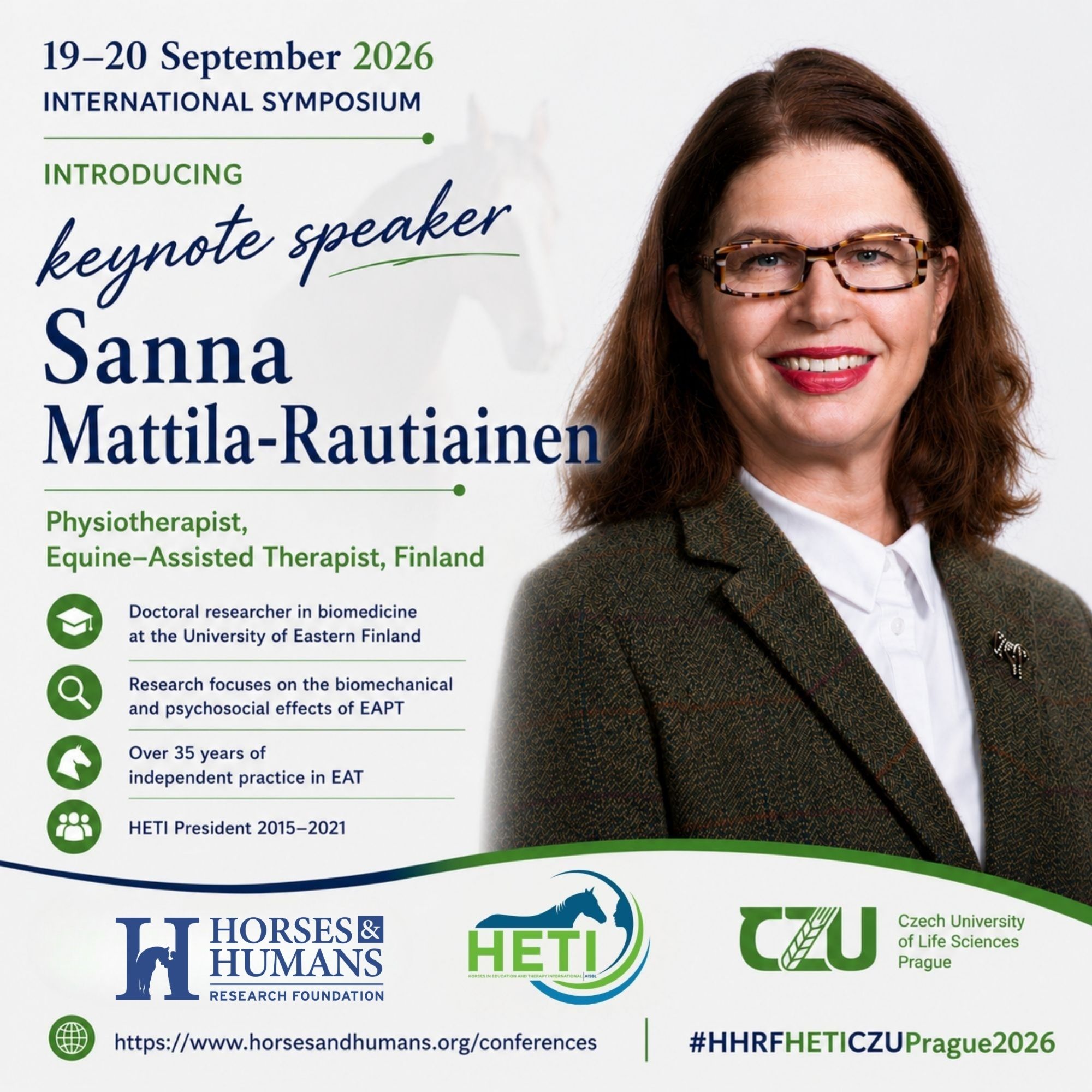
Sanna Mattila-Rautiainen, MSc (Exercise Medicine), Physiotherapist, Equine-Assisted Therapist (SRT), Finland.
Sanna is a doctoral researcher in biomedicine at the University of Eastern Finland and a highly respected clinician with more than 35 years of experience in Equine-Assisted Therapy (EAT). Throughout her career, she has played a significant role in developing equine-assisted therapy in Finland as a practitioner, educator, researcher, and advocate.
Her current research explores the biomechanical and psychosocial effects of Equine-Assisted Physiotherapy (EAPT), with a particular focus on chronic low back pain rehabilitation, gait kinematics, and the therapeutic interaction between equine and human movement.
Sanna also served as HETI President from 2015 to 2021, contributing substantially to the international development of Equine Assisted Services.
Chronic low back pain (CLBP) is among the most prevalent and disabling musculoskeletal conditions worldwide, and its burden extends well beyond the domain of pain. Movement in CLBP is characterised by protective reorganisation: reduced axial rotation, disrupted trunk-pelvis coordination, altered timing of muscle activation, and avoidance strategies that may persist independently of pain intensity. Voluntary rehabilitation approaches must contend with the fundamental problem, that individuals with persistent pain often cannot reliably modify maladaptive motor patterns through active effort alone, even when motivation and instruction are adequate. This creates a clinical need for interventions capable of delivering controlled, meaningful movement exposure without requiring the client to initiate complex motor strategies in the presence of fear.
Equine-facilitated physical therapy (EFPT) offers a mechanistically distinct approach. During equine walk, the rider's pelvis receives continuous multidimensional oscillations generated at 58–66 steps per minute, transmitting three-dimensional movement impulses through the horse's back in a pattern that closely resembles the kinematic demands of human gait. The client responds to these externally generated perturbations rather than producing voluntary movement, thereby engaging postural control systems continuously while reducing the cognitive and emotional load associated with active motor initiation. The therapeutic parameters of this process — symmetry, rhythm, three-dimensional mobility, and repeatability — are not incidental properties of the horse; they are clinically selectable and regulable variables that the therapist actively manages through horse selection, gait quality, and session design.
This keynote address argues that movement quality in EFPT functions as a form of therapeutic language: a structured, adjustable, and observable medium through which rehabilitation communicates with the patient's sensorimotor system. It presents evidence from three complementary methodological approaches — structured observational outcome measurement validated against ICF-based functional criteria, field-based markerless gait analysis using waveform-level statistical methods, and patient-reported biopsychosocial outcomes across a 12-week intervention — to demonstrate that clinically meaningful change in CLBP can be identified, differentiated, and documented across multiple levels of assessment. A central finding across all three approaches is that functional recovery in CLBP does not necessarily follow pain reduction; improvement in movement coordination, occupational performance, and engagement in daily life may occur independently of pain trajectory, and documentation frameworks must be designed to capture this dissociation. Practical guidance on observing patient-relational movement change and integrating structured documentation into clinical EFPT practice will be discussed.
EAS Lighting Round
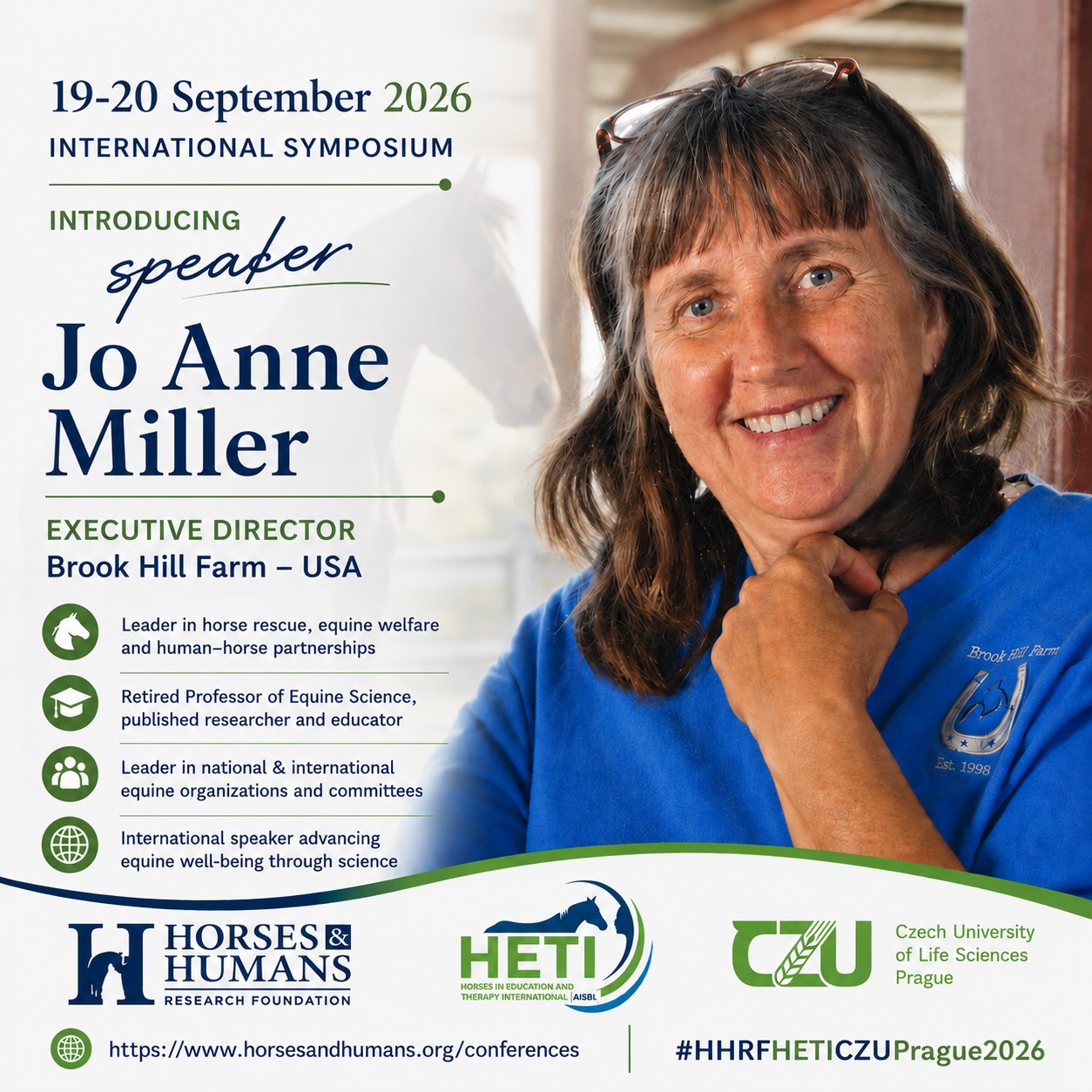
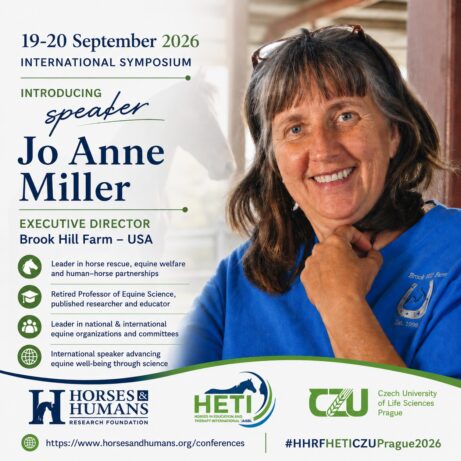
Jo Anne Miller is the Executive Director of Brook Hill Farm, a fully accredited equine rescue recognised by the Global Federation of Animal Sanctuaries and the Thoroughbred Aftercare Alliance, as well as a PATH International Premier Accredited Therapeutic Riding Centre. Under her leadership, rescued equines play a central role in programmes that support both human and equine well-being.
A retired Professor of Equine Science at Randolph College, Jo Anne is a published researcher and author whose work has appeared in the HETI Journal, PATH International Strides, Thoroughbred Aftercare Alliance Magazine, Horse Illustrated, and other leading publications. She also co-developed the Equine Curriculum for the Commonwealth of Virginia.
A passionate advocate for evidence-based equine welfare, Jo Anne has held numerous leadership positions within national and international organisations. She currently serves as Chair of the Equus Foundation’s Equine Welfare Advisory Group, sits on the Board of the Horses and Humans Research Foundation (HHRF), and co-chairs the HHRF Well-Being Committee. She previously served as Co-Chair of the PATH International Equine Welfare Committee and as a member of the HETI Equine Welfare Committee.
Jo Anne regularly presents nationally and internationally on equine welfare and the science of human–equine interactions, helping to advance best practice across the Equine Assisted Services sector.
The high school dropout rate among at-risk youth is higher than other student populations, leading to the development of non-traditional approaches. Brook Hill Farm developed a program for at-risk youth using Equine-Assisted Learning combined with conventional education to reduce the high school dropout rate among its participants. The program began in 2002, and by 2008, the staff observed that all the at-risk youth that participated in the program graduated from high school. In the program, students partnered with rescue horses, which, in theory, helps the students learn resilience, social-emotional skills, and academic strategies through deliberate practice, with the goal of transferring these skills and concepts successfully into the classroom with a licensed teacher. Academic concepts were integrated into mounted learning activities, resulting in improved comprehension, engagement, and mastery of educational content. Between the years 2008 and 2022, all 86 at-risk youth participating in the Equine-Assisted Learning program graduated from their traditional high school on time. In addition, 100% of this cohort of students entered post-secondary education or technical job training. The program remains active, and as of 2026, 143 students have completed the program. All participants have graduated from high school, maintaining a 100% graduation rate over the program's history. These outcomes are particularly noteworthy given the elevated risk of school disengagement and dropout commonly observed among similar youth populations.
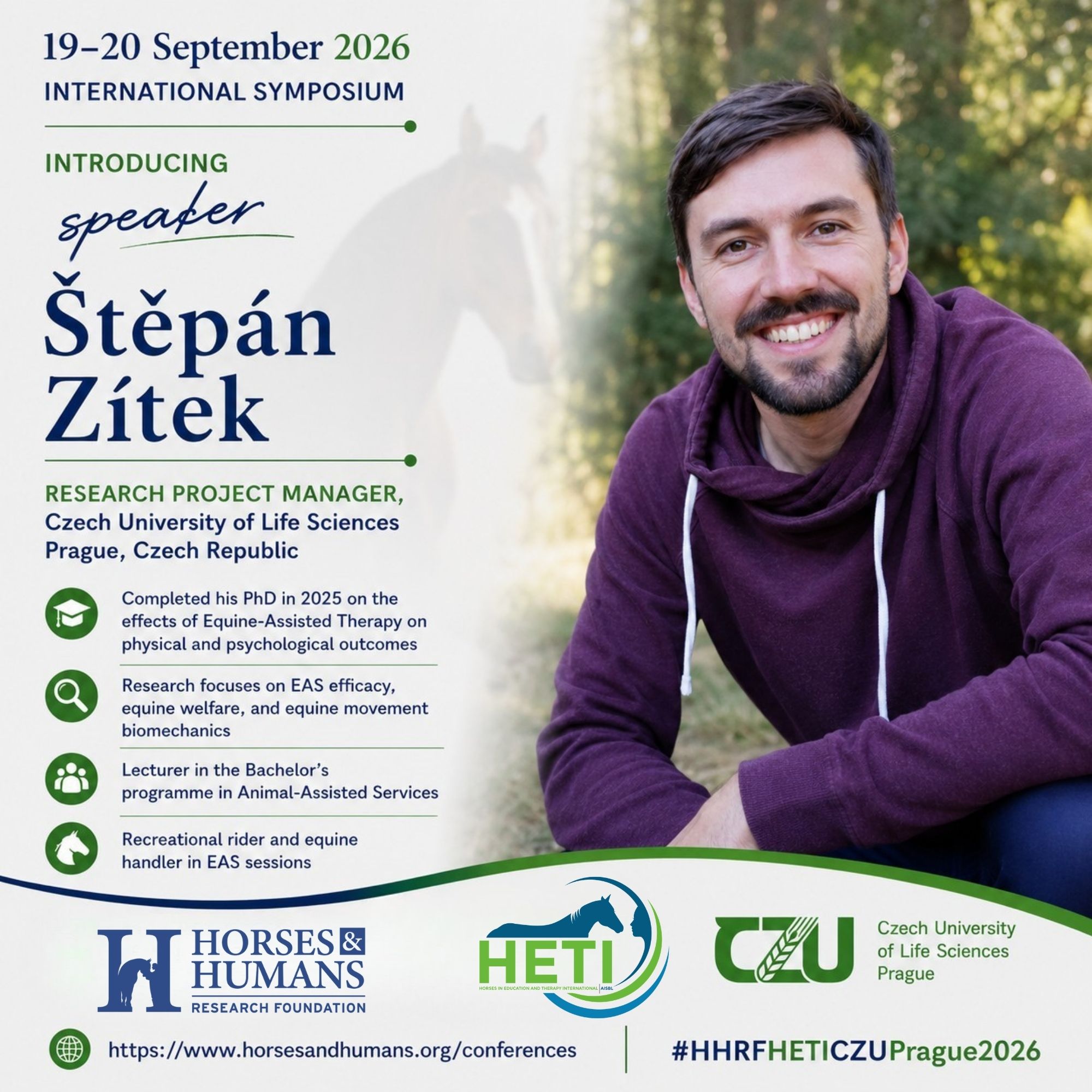
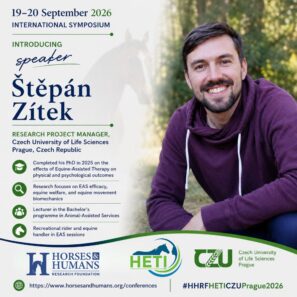
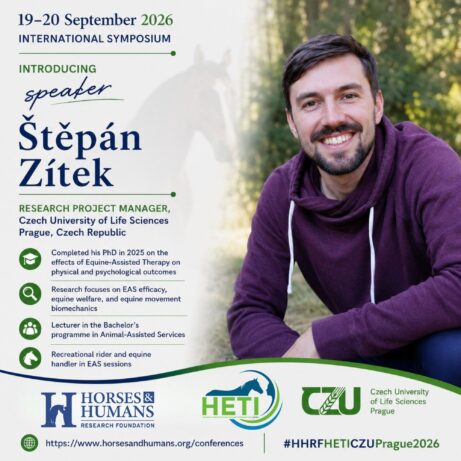
Štěpán Zítek is an academic staff member and research project manager at the Czech University of Life Sciences Prague, where he teaches in the Bachelor's degree programme Animal-Assisted Services, with a particular focus on Equine Assisted Services (EAS).
In 2025, he completed his doctoral studies with a dissertation examining the effects of equine-assisted therapy on the physical and psychological condition of clients. His current research focuses on the efficacy of Equine Assisted Services, equine welfare, and the biomechanics of equine movement within EAS.
Alongside his academic and research work, Štěpán is an active recreational rider and regularly serves as an equine handler during EAS sessions, bringing valuable practical experience to his research and teaching.
Background: Equine-Assisted Psychotherapy (EAP), a specialized discipline within Equine-Assisted Services (EAS), is gaining international recognition as a complementary approach to mental health care. In the Czech Republic, a country with a high prevalence of substance use disorder, addressing addiction remains a critical public health and societal priority. While hospitalized patients undergoing treatment often suffer from severe negative affective states, robust clinical evidence validating the therapeutic efficacy of EAS in this vulnerable population remains highly limited.
Objective: This controlled study aimed to evaluate and quantify the impact of a structured four-week EAP program on core psychological dimensions—specifically state and trait anxiety, anxiety-depressive symptoms, perceived stress, and somatic manifestations of anxiety—among hospitalized adult patients in addiction treatment.
Methods: This study was conducted at the Kosmonosy Psychiatric Hospital in the Czech Republic. The sample comprised 68 hospitalized patients (EAP experimental group: n = 32; conventional treatment control group: n = 36). The experimental group underwent a weekly 120-minute EAP session focused on therapeutic horse-human interactions. Outcomes were measured using validated psychometric scales, including STAI-Y1, STAI-Y2, DASS-21, PSS, and BAI, at baseline and post-intervention.
Results: Baseline tests confirmed homogeneity between the groups. Post-intervention between-group comparisons demonstrated a statistically significant difference exclusively in trait anxiety (STAI-Y2, p = 0.002), with the EAP group showing significantly lower levels. However, intra-group analysis within the EAP cohort revealed highly significant improvements (p < 0.001) across all evaluated psychological parameters. In contrast, the control group only showed significant improvement in trait anxiety (p = 0.003).
Discussion: These findings demonstrate that even a brief, four-week EAP intervention can trigger profound positive psychological changes in addicted patients. The lack of broader significant between-group differences (except for STAI-Y2) likely stems from the high therapeutic density of the standard comprehensive inpatient program that both groups completed. Nevertheless, the robust intra-group improvements in the EAP group indicate that equine-assisted interventions act as an accelerator of psychological stabilization, notably helping patients manage physical anxiety and perceived stress. Furthermore, these sessions provide a unique non-verbal relational experience that conventional psychotherapy often cannot replicate.
Conclusion: EAP represents a safe and effective experiential modality that successfully complements traditional psychiatric care. Enhancing emotional regulation and mitigating anxiety fosters better adaptation to the recovery process.
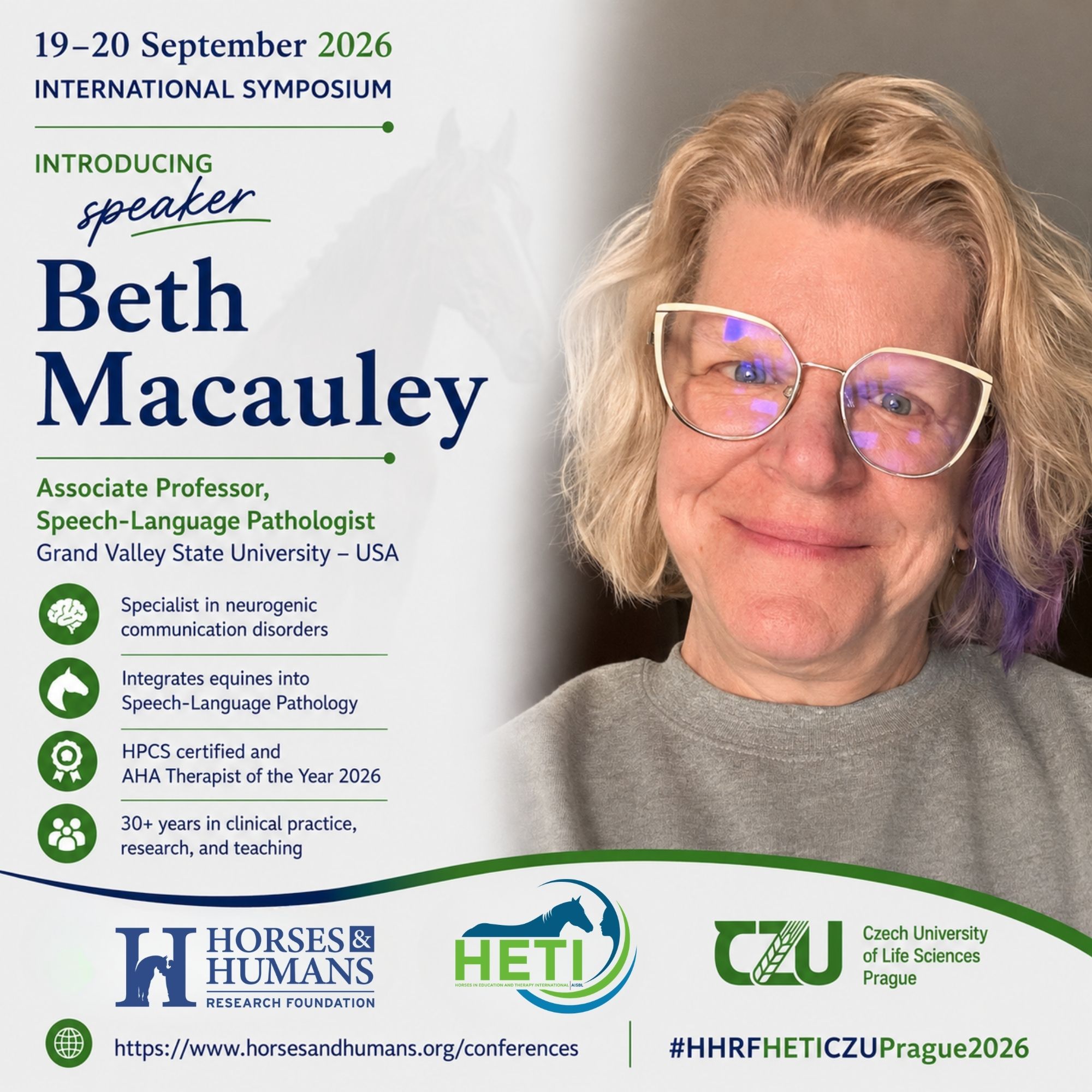
Dr. Beth Macauley is an Associate Professor in the Department of Communication Sciences and Disorders at Grand Valley State University in Michigan, USA. She earned her BA, MA, and PhD in Communication Sciences and Disorders from the University of Florida and has dedicated more than 30 years to clinical practice, teaching, and research in speech-language pathology.
Dr. Macauley is internationally recognised for her expertise in integrating equines into speech-language pathology services. She holds the Hippotherapy Clinical Specialist (HPCS) certification and was honoured with the American Hippotherapy Association’s Therapist of the Year Award in 2026.
Her work focuses on neurogenic communication disorders and the application of Equine Assisted Therapy within speech-language pathology. Through her research, teaching, and clinical practice, she has helped advance understanding of how equine movement, interaction, and the therapeutic environment can support communication outcomes across a range of client populations.
In addition to her university role, Dr. Macauley serves as faculty for Svítání Academy of Equine Assisted Services, contributing to the education of practitioners around the world.
This presentation reviews current research demonstrating how the horse's rhythmic, repetitive, multidimensional movement can influence the neuromotor, sensory, respiratory, and postural systems that underlie speech, language, and communication. Emphasis will be placed on the integration of evidence-based SLP intervention with equine movement to maximize functional communication outcomes. First, results from a large study comparing three equine-assisted service models—horse only/no intervention, therapeutic or adapted riding, and speech therapy incorporating hippotherapy—in individuals with motor speech disorders will be presented. Findings demonstrated significant improvements in speech motor coordination across all three conditions, with the greatest gains observed when skilled speech-language intervention was integrated with equine movement, supporting a synergistic effect between the horse and targeted speech therapy. Research examining equine-assisted speech-language intervention for autistic children will also be reviewed, illustrating improvements in communication, social interaction, and participation when therapy is delivered within the motivating, multisensory equine environment. Finally, preliminary findings and study design from an ongoing randomized clinical trial investigating equine-assisted speech therapy for individuals with Parkinson's disease will be presented. This study compares traditional speech therapy with speech therapy incorporating hippotherapy to examine effects on vocal loudness, vocal range, articulation, intelligibility, and functional communication. Collectively, these studies provide growing evidence that incorporating horses into speech-language pathology is a scientifically grounded and clinically meaningful approach that extends beyond recreation to address neurological mechanisms underlying communication disorders
EAS Panel
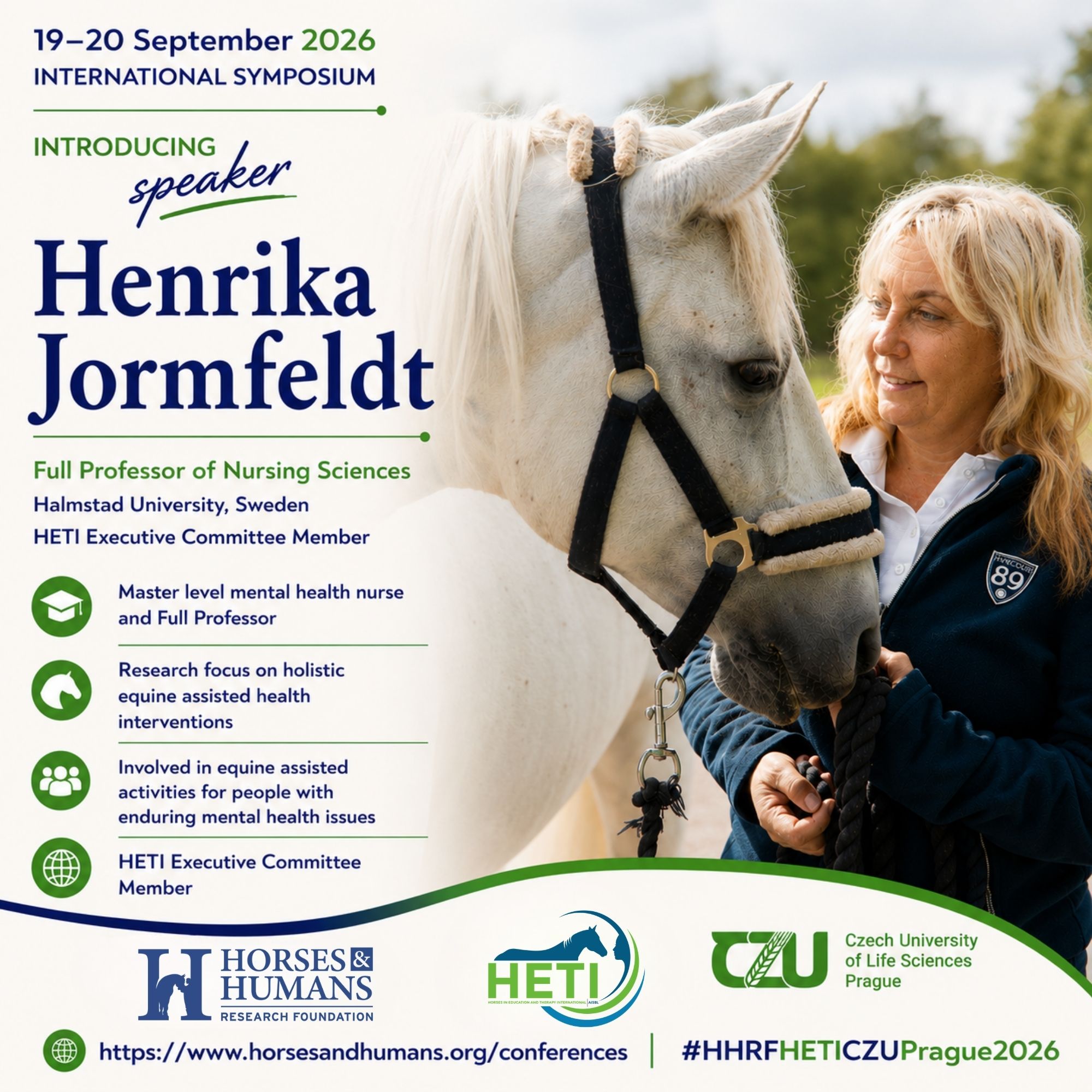
Henrika Jormfeldt is a mental health nurse with a master's degree and Full Professor of Nursing Sciences at Halmstad University in Sweden. Her research focuses on holistic equine-assisted health interventions and their role in promoting health and well-being.
Alongside her academic work, Henrika is actively involved in equine-assisted activities for people living with enduring mental health conditions. She is also the CEO of Bråddared's Horse for Health & Well-being, where research and practice come together to support recovery, inclusion, and quality of life through equine-assisted interventions.
Through her work in research, higher education, and clinical practice, Henrika contributes to the growing evidence base for Equine Assisted Services and their role in mental health care.
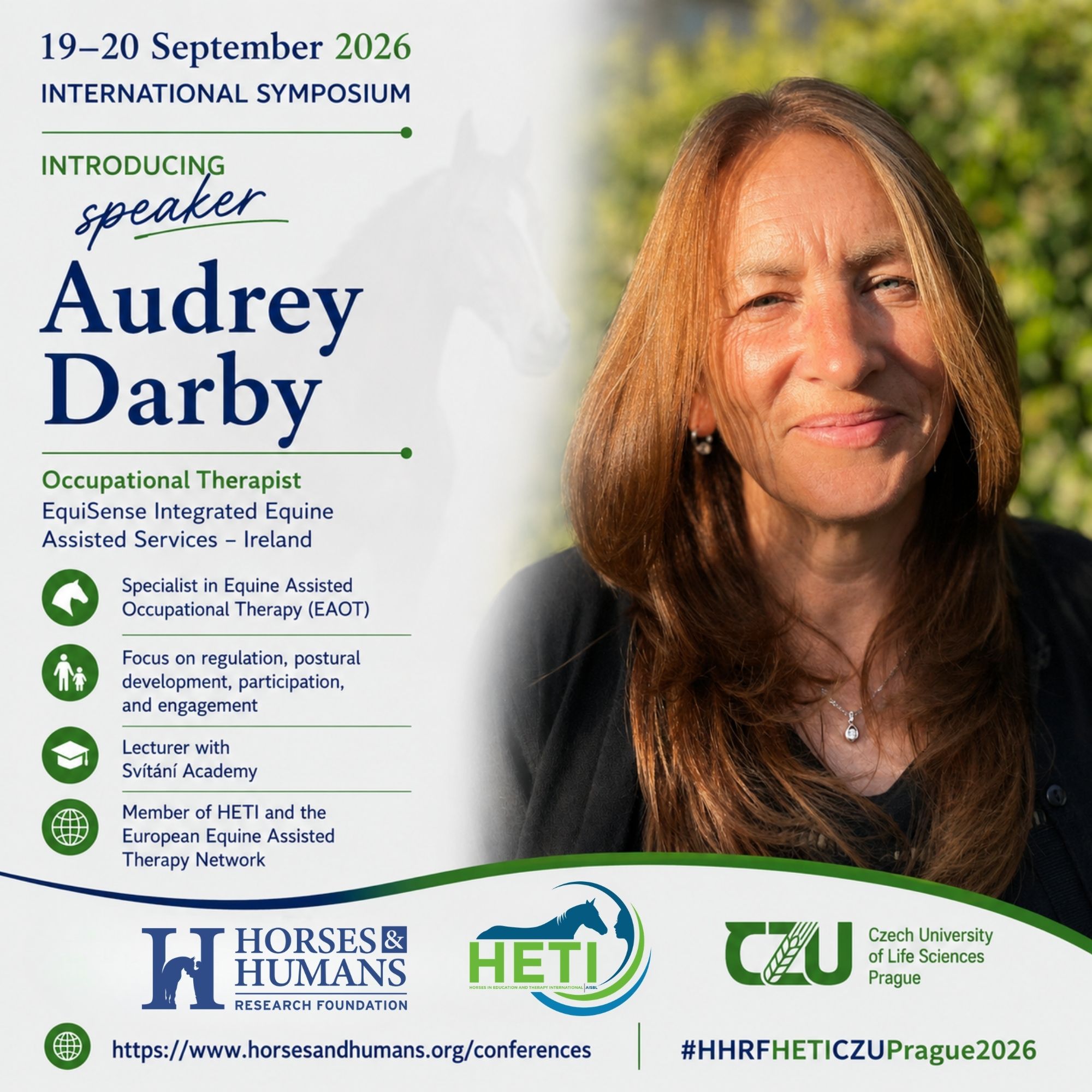
Audrey Darby is an Occupational Therapist from Ireland working with EquiSense Integrated Equine Assisted Services. She specialises in Equine Assisted Occupational Therapy (EAOT) for children and young people with neurodevelopmental, sensory, and regulation challenges, with a particular interest in nervous system regulation, postural development, participation, and engagement through equine-assisted interventions.
Alongside her clinical work, Audrey is a lecturer with Svítání Academy and is actively involved in the education and professional development of practitioners working in Equine Assisted Services.
She is a member of Horses in Education and Therapy International (HETI) and the European Equine Assisted Therapy Network, contributing to international collaboration and the continued advancement of Equine Assisted Services.
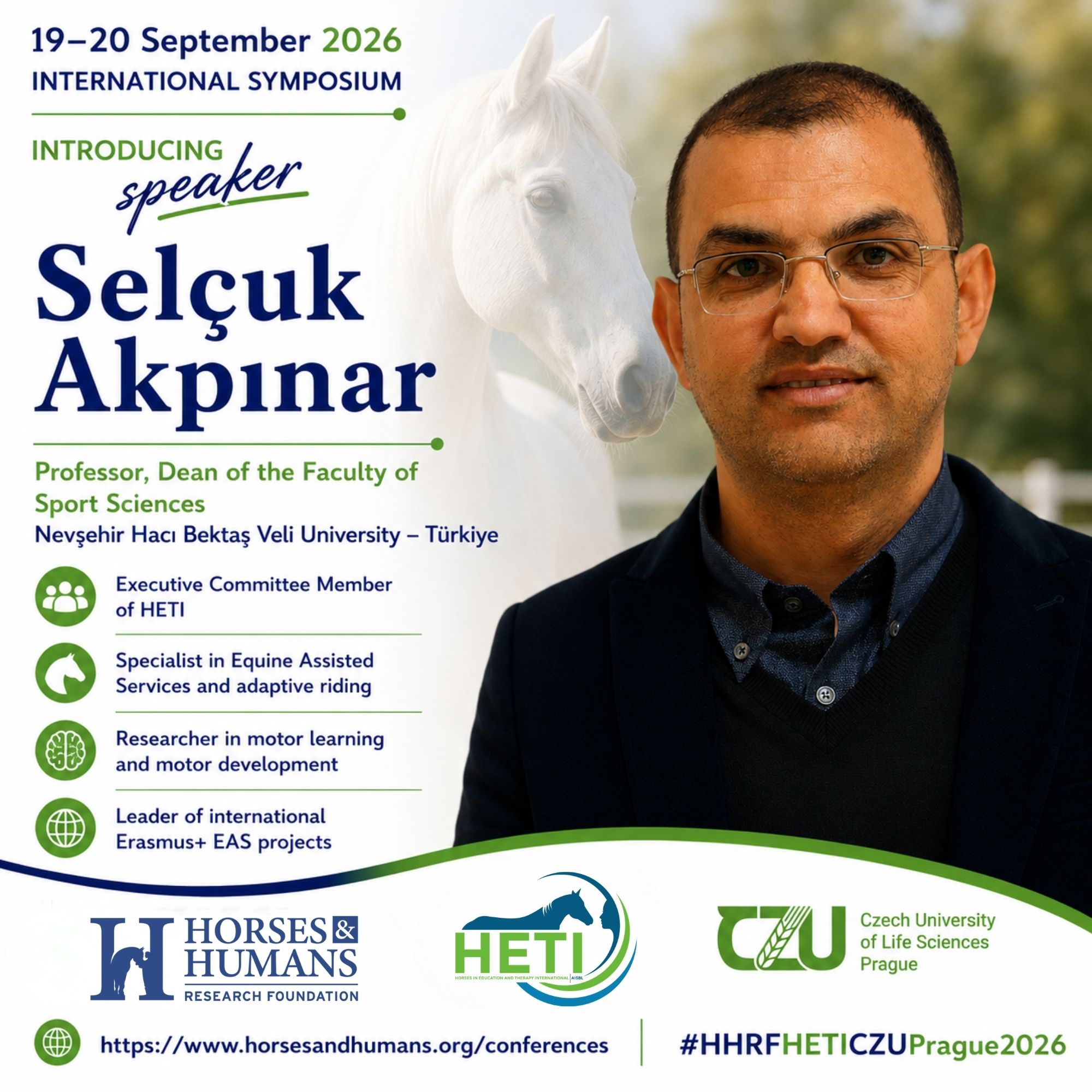
Prof. Dr. Selçuk Akpınar is a member of the Executive Committee of HETI (Horses in Education and Therapy International AISBL) and currently serves as the Dean of the Faculty of Sport Sciences at Nevsehir Haci Bektas Veli University, Türkiye. He is also the Assistant Director of the university’s Equine-Horseback Riding Application and Research Center, where he contributes to the development of equine-assisted programs, adaptive riding, and research initiatives.
Prof. Akpınar has been actively involved in Equine Assisted Services (EAS) since 2013 and has participated in several international Erasmus+ projects related to social inclusion, education, and therapeutic riding practices. His academic background includes a Ph.D. in motor learning and motor control from Middle East Technical University, as well as visiting scholar and post-doctoral research experience at Penn State University. During his time at Penn State, he conducted research in a motor control laboratory focusing on motor lateralization, movement behavior, and the effects of sports participation on human performance.
His research integrates motor behavior, pedagogy, and sport sciences with Equine Assisted Services, particularly in the areas of equine-assisted learning, adaptive riding, motor development, and evidence-based intervention approaches. Prof. Akpınar has published scientific studies in respected international journals and has delivered invited presentations at international conferences and professional events related to sport sciences and EAS. Through his academic and professional work, he continues to promote interdisciplinary collaboration, innovative educational practices, and evidence-based approaches within the field of equine-assisted interventions.
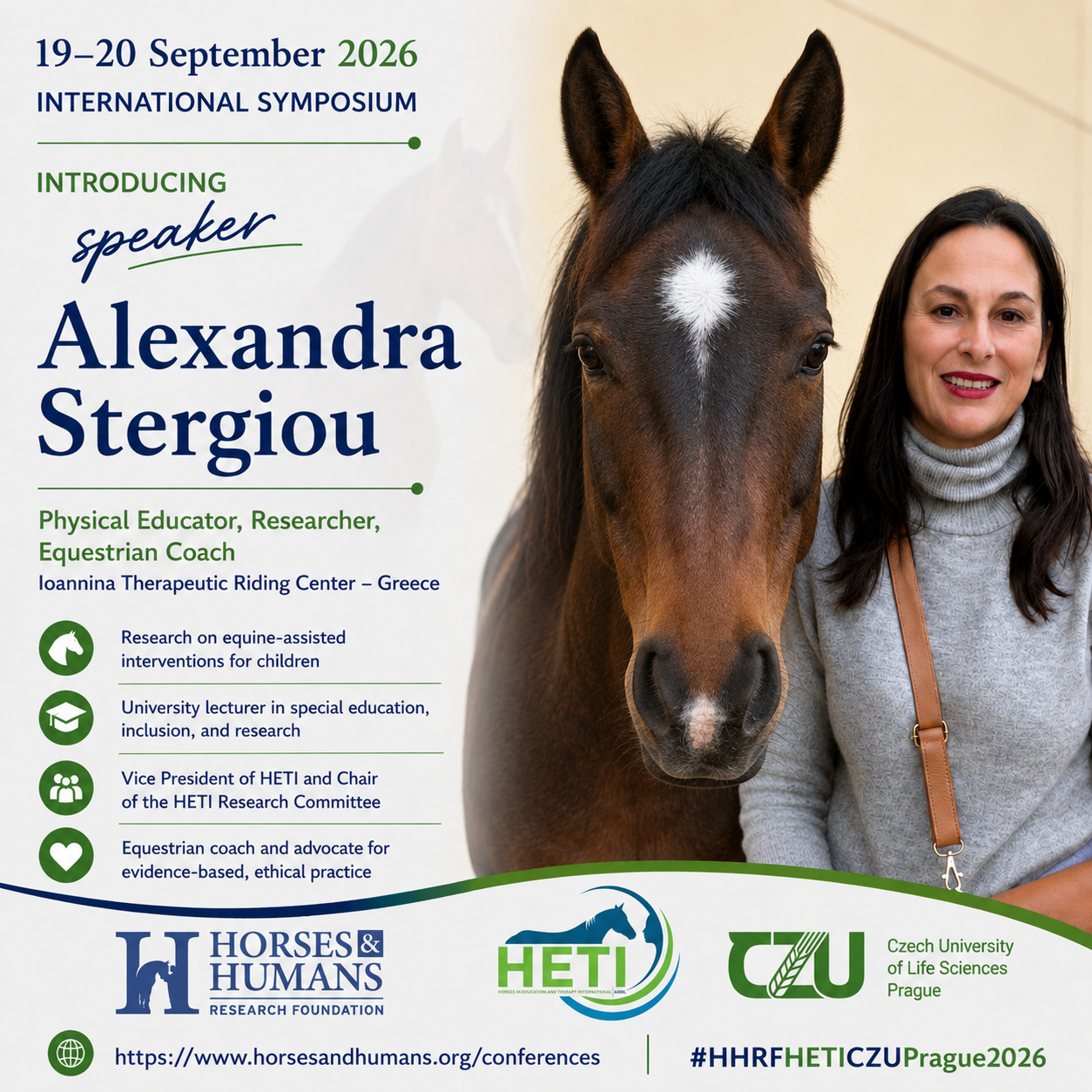
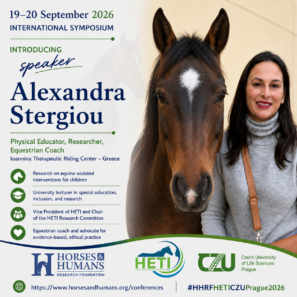
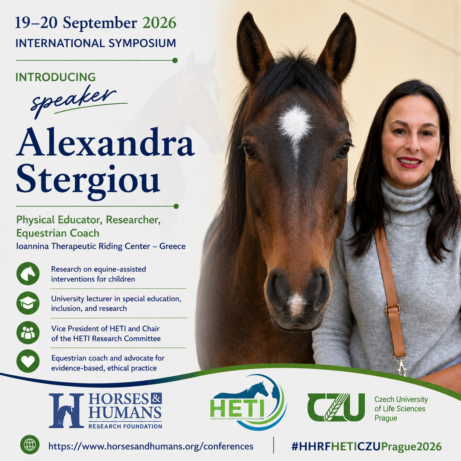
Dr. Alexandra Stergiou is a physical educator, researcher, and equestrian coach with extensive experience in Equine-Assisted Services. She founded the Ioannina Therapeutic Riding Center in Greece, where she served for many years as Scientific Director, and has conducted research on the effects of equine-assisted interventions for children with cerebral palsy, autism spectrum disorder, and neuromuscular conditions.
Her doctoral research focused on evaluating equine-assisted intervention for children and adolescents with motor impairments. Throughout her academic career, she has taught at university level in special education, inclusion, research methodology, developmental psychology, and parental counselling.
Alexandra serves as Vice President of Horses in Education and Therapy International (HETI), Chair of the HETI Research Committee, and Editor-in-Chief of the HETI Journal: International Research and Practice. She has also been actively involved with Special Olympics Hellas as an equestrian coach.
Her work is dedicated to advancing evidence-based practice, equine welfare, ethics, inclusion, and international collaboration in the field of Equine-Assisted Services.
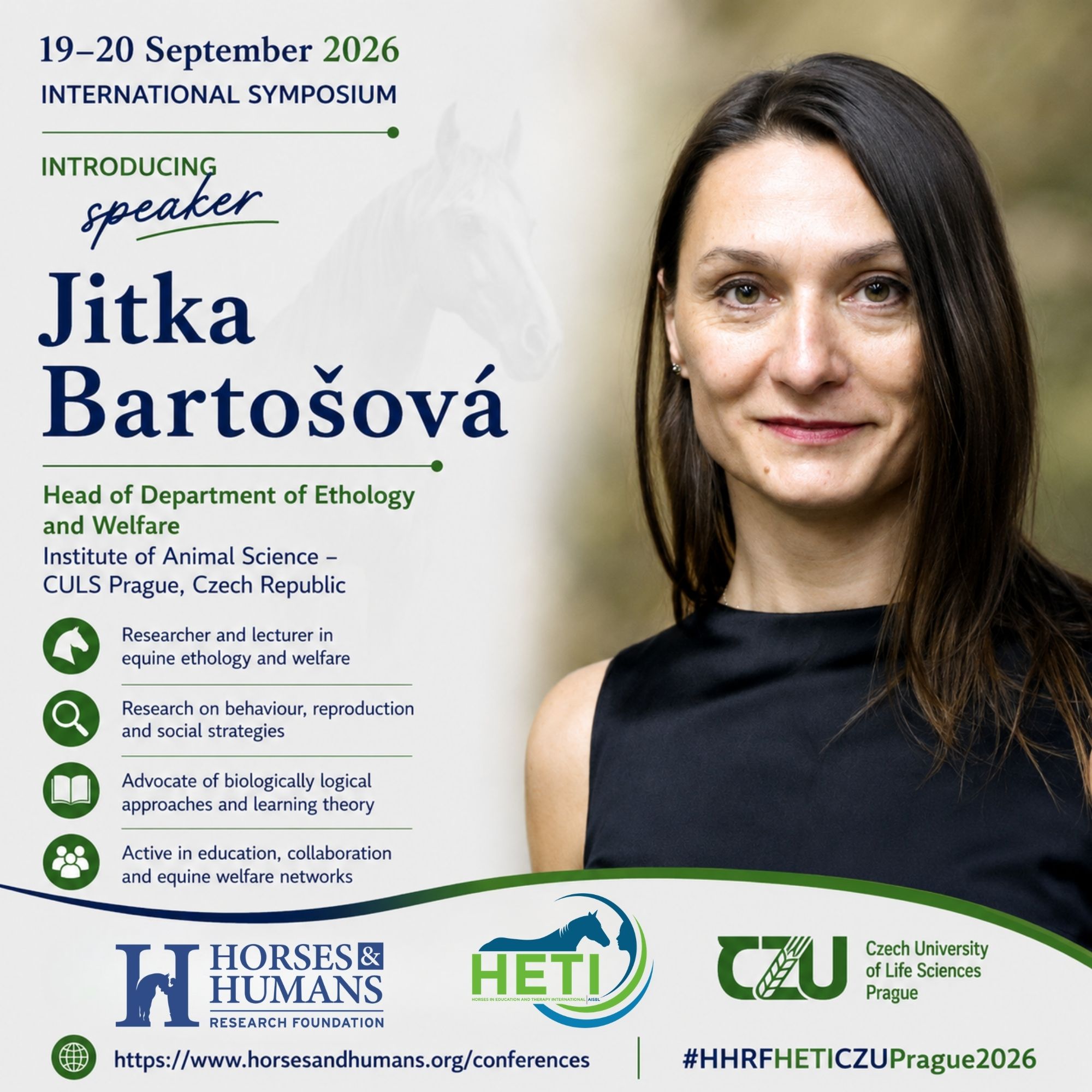
Jitka Bartošová is Head of the Department of Ethology and Welfare at the Institute of Animal Science in Prague and teaches equine ethology and welfare at the Czech University of Life Sciences Prague. She is also a visiting lecturer at other universities and supervises students across all levels of study.
Her scientific work focuses on animal behaviour and welfare, with research interests including parental behaviour, reproductive strategies, social behaviour, and the application of learning theory. She has participated in several research projects, including AWIN, and regularly publishes in peer-reviewed journals while actively promoting scientific knowledge.
A lifelong advocate for evidence-based and biologically logical approaches to animal management, Jitka brings these principles to her research on therapeutic equines. She has collaborated for many years with CEFTA, is a member of the International Society for Equitation Science, and serves on the board of the SRAZ Association at Toulcův dvůr.
Alongside her scientific work, Jitka is the proud owner and rider of a black Kladruber equine, reflecting her lifelong passion for equines and their welfare.
Sanna Mattila-Rautiainen, MSc (Exercise Medicine), Physiotherapist, Equine-Assisted Therapist (SRT), Finland.
Sanna is a doctoral researcher in biomedicine at the University of Eastern Finland and a highly respected clinician with more than 35 years of experience in Equine-Assisted Therapy (EAT). Throughout her career, she has played a significant role in developing equine-assisted therapy in Finland as a practitioner, educator, researcher, and advocate.
Her current research explores the biomechanical and psychosocial effects of Equine-Assisted Physiotherapy (EAPT), with a particular focus on chronic low back pain rehabilitation, gait kinematics, and the therapeutic interaction between equine and human movement.
Sanna also served as HETI President from 2015 to 2021, contributing substantially to the international development of Equine Assisted Services.
Equine Wellbeing Lighting Round
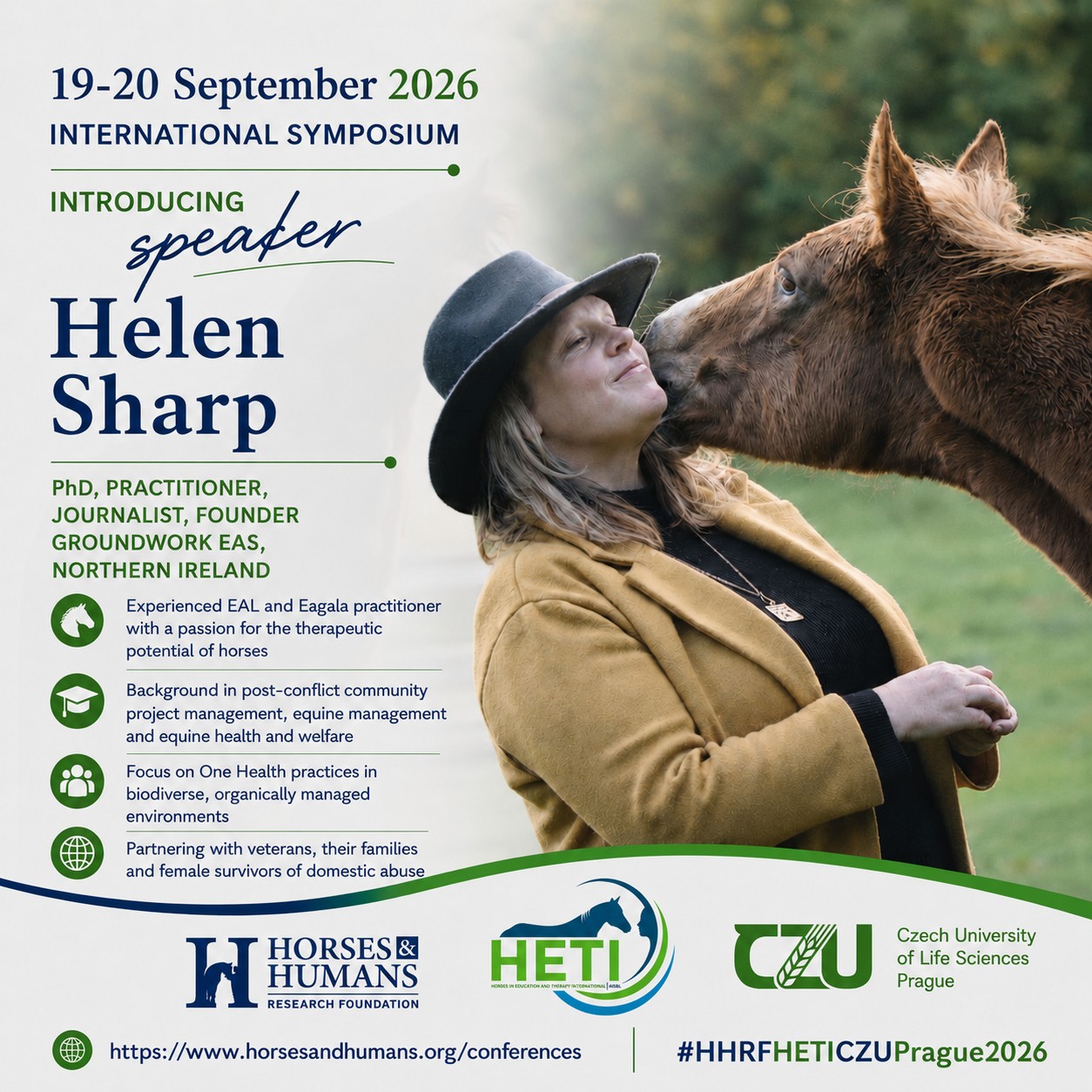
Dr Helen Sharp is based in Northern Ireland and is the founder of Groundwork Equine Assisted Services in Co Fermanagh. She is an EAL and Eagala practitioner, with a strong commitment to sharing the therapeutic potential of equines.
Helen spent 15 years delivering community arts projects in post-conflict Northern Ireland and also works as a journalist specialising in equine well-being, welfare, and management. Her practical equine background includes work in studs in the UK and France, as well as experience as an award-winning equine physical therapist supporting racehorses and show jumping equines.
Her current work has a particular focus on One Health practices for therapy herds in biodiverse and organic habitats. Her own herd of seven equines lives outdoors 24/7 on organically managed land, on a nature-forward farm. The herd currently partners army and police veterans and their families, as well as female survivors of domestic abuse.
Equine-assisted services are increasingly supported by evidence demonstrating positive effects on mental health and wellbeing. However, research has largely examined horses, psychotherapy and the natural environment as separate therapeutic influences, with comparatively little attention given to how the ecological conditions surrounding therapy may shape therapeutic process. Existing studies have tended to ask whether equine-assisted interventions are effective, rather than how therapeutic change emerges through the dynamic interactions between client, practitioner, horse and environment.
This presentation introduces Therapeutic Ecology, an emerging conceptual model that views equine-assisted mental health practice through a One Health lens. Rather than treating context as the passive setting in which therapy occurs, Therapeutic Ecology proposes that ecological conditions form an active part of the therapeutic system. Therapeutic change is understood not as the product of a single therapeutic ingredient, but as an emergent process arising through reciprocal interactions between client, practitioner, horse and the wider living environment.
Drawing on systems thinking, environmental psychology and ecological theory, the model proposes that ecological conditions do not directly produce therapeutic change. Instead, they shape the conditions under which therapeutic processes become possible.
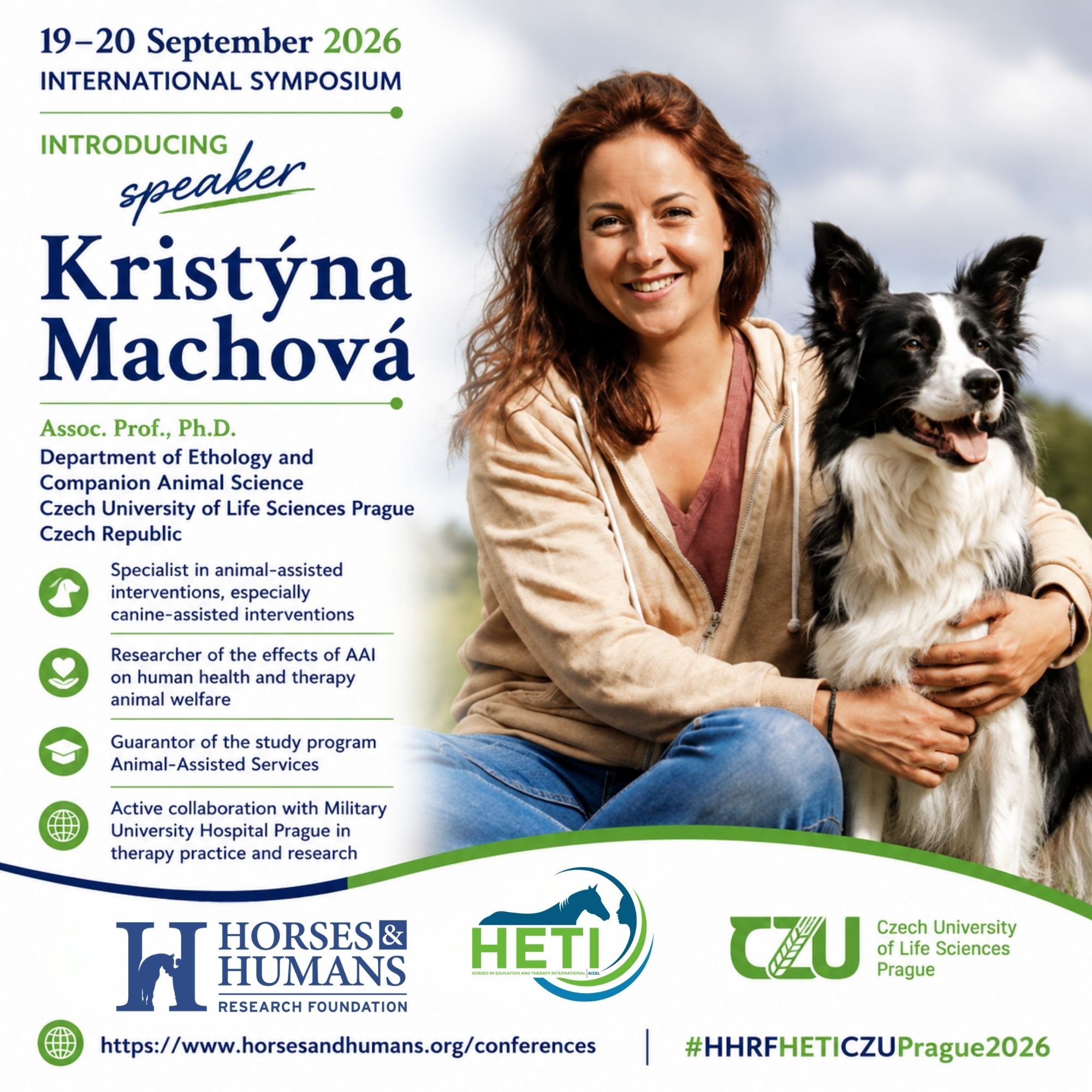
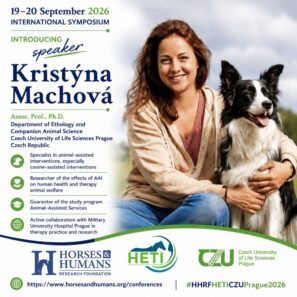
Assoc. Prof. Kristýna Machová, Ph.D. specialises in Animal-Assisted Services, with particular expertise in canine-assisted interventions and the integration of animals into healthcare and education. She is affiliated with the Department of Ethology and Companion Animal Science at the Czech University of Life Sciences Prague, where she serves as the guarantor of the Bachelor's degree programme in Animal-Assisted Services.
Both her doctoral dissertation and habilitation thesis focused on Animal-Assisted Services, reflecting her long-standing commitment to advancing the field through research and higher education.
Her research explores the effects of animal-assisted interventions on physical and mental health, the welfare of therapy animals, and the implementation of animal-assisted approaches in clinical and educational settings. She is the author and co-author of numerous scientific publications in international peer-reviewed journals and actively collaborates with the Military University Hospital Prague, where she is involved in both canine-assisted therapy practice and research.
Background: Ensuring the welfare of horses participating in equine-assisted therapy (EAT) is fundamental for the sustainability and ethical practice of equine-assisted interventions. Findings from international practice and research suggest that welfare outcomes may vary considerably across facilities, countries, and management systems. For example, reports presented at the HETI conference in Budapest (2024) described therapy horses displaying defensive behaviours, including kicking and biting during sessions, raising concerns about chronic stress and welfare. We previously evaluated hair cortisol concentration (HCC) as an indicator of long-term stress in Czech EAT horses. To determine whether these findings are consistent beyond a single national population, we subsequently compared them with data collected from therapy horses in Slovakia using the same methodological approach.
Methods: The first Czech study included 102 horses, comprising 69 horses regularly involved in EAT and 33 recreational riding horses serving as controls. The second study included 66 EAT horses (38 Slovak and 28 Czech horses) together with 38 Slovak recreational horses. Mane hair samples representing approximately six weeks of cortisol deposition were collected and analysed using enzyme-linked immunosorbent assay (ELISA). The influence of horse-related and management-related variables on HCC was evaluated using appropriate statistical analyses. allowing comparison of welfare-related factors across the two national populations.
Results: In the first Czech study, no significant difference in HCC was detected between EAT horses and recreational horses, indicating that participation in EAT per se was not associated with increased chronic stress. Geldings exhibited significantly higher HCC than mares. Horses involved in less physically demanding activities, such as equine-facilitated learning and social care, had significantly lower HCC than those involved in more intensive interventions, including equine-facilitated physiotherapy and occupational therapy. Time spent with individual clients was also associated with HCC, whereas the number of clients per day showed no significant effect. Management practices were identified as key determinants of long-term stress, with a greater number of regular rest days being associated with lower HCC, highlighting the importance of adequate recovery. Results of the international comparison between Czech and Slovak therapy horses will be presented.
Conclusions: The Czech findings indicate that appropriately managed equine-assisted therapy does not compromise the long-term welfare of therapy horses. Instead, management factors, particularly workload composition and adequate recovery periods, appear to be stronger determinants of chronic stress than participation in EAT itself. The ongoing international comparison aims to determine whether these relationships are consistent across different management systems and national settings, thereby strengthening the evidence base for welfare-oriented management of therapy horses. Hair cortisol concentration represents a valuable objective biomarker for supporting evidence-based welfare assessment in equine-assisted interventions.
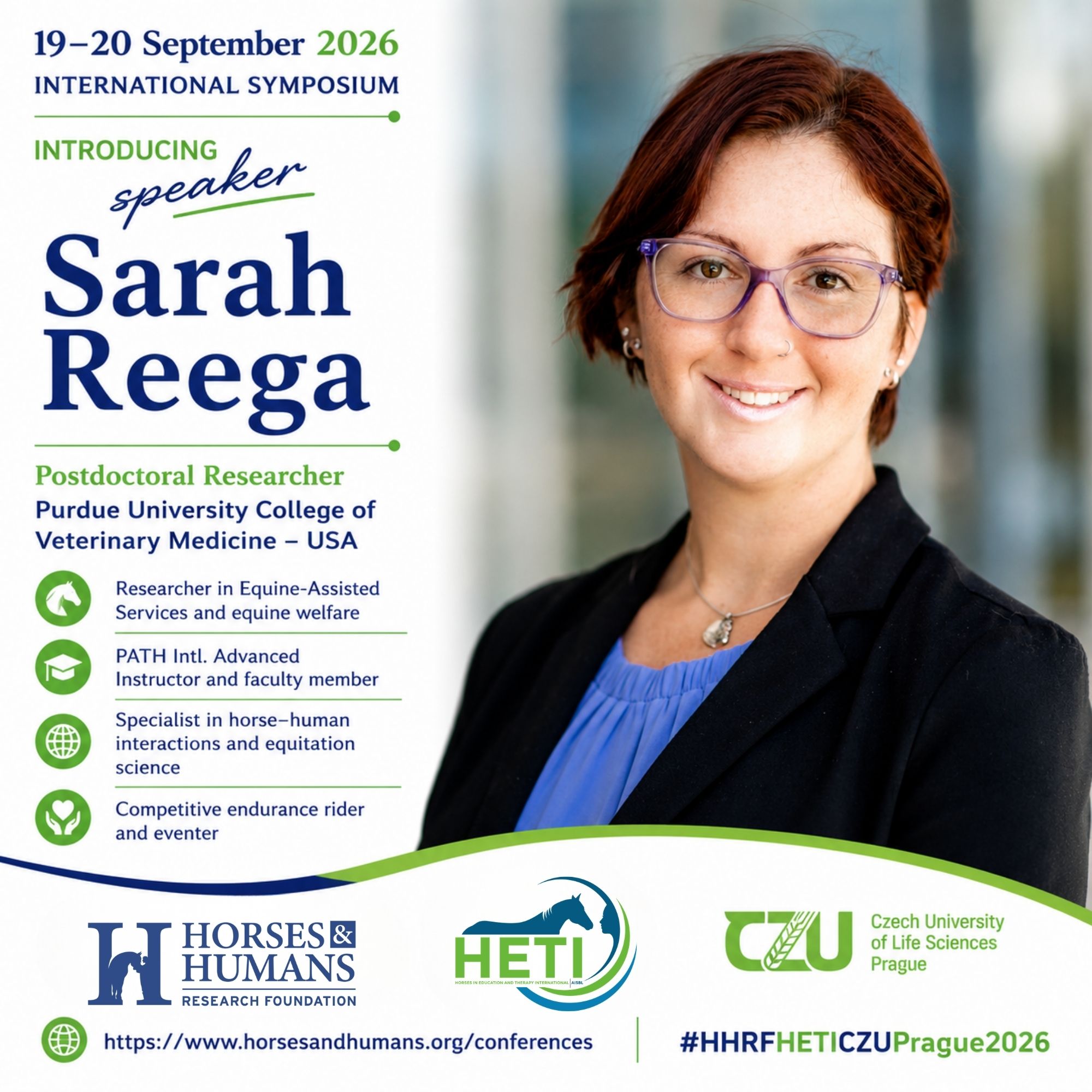
Dr. Sarah Reega is a Postdoctoral Researcher at Purdue University's College of Veterinary Medicine (USA), where she works with Dr. Leanne Nieforth in the Human Animal Partnerships and Interactions (HAPI) Lab at the Center for the Human-Animal Bond.
She holds a PhD in Animal Sciences from Colorado State University, an MSc in Equine Science from the University of Edinburgh, and a BSc in Equine Studies: Equine Science from the University of New Hampshire.
Sarah is a PATH Intl. Advanced Instructor, Equine Specialist in Mental Health and Learning (ESMHL), CTRI®, mentor, and faculty member. As a mixed-methods researcher, her interests include Equine Assisted Services, equitation science, horse–human interactions in both ridden and unmounted contexts, equine welfare and behaviour, and therapeutic human–animal interactions across species.
Alongside her academic work, Sarah is a competitive endurance rider and eventer at the national level and is the owner of two chestnut Arabian mares.
Therapeutic riding aims to teach adaptive horsemanship skills to individuals with a wide range of disabilities. In the United States, therapeutic riding horses are often simultaneously ridden by the participant and led by a horse leader. This practice presents unique circumstances when considering the structure and function of equipment used on the heads of involved horses. This ridden-while-led phenomenon may have implications for equine welfare, as there is constant opportunity for simultaneous conflicting pressure on the horse’s head if the rider pulls backwards on the reins while the horse leader pulls on the leadrope. Considering the growing body of literature indicating that various equipment use practices can negatively impact horse behavior, learning, and wellbeing, it is important to understand how equipment is being used in the therapeutic riding environment. Therefore, the purpose of this study was to describe equipment use practices on the heads of therapeutic riding horses within the United States. An anonymous online survey was nationally distributed to Professional Association of Therapeutic Horsemanship International (PATH Intl.) therapeutic riding instructors. A total of 403 complete responses were retained for data analysis. Summary statistics were calculated in Excel, and open-ended responses were coded via inductive content analysis (Excel; Nvivo).
The most commonly used equipment included bitted bridles (76%), traditional halters (75%), and sidepull bitless bridles (55%). Respondents used halters alone (66%), under bridles (44%), or over bridles (11%). Lead ropes were typically attached to the halter’s bottom ring (76%) or a tie ring under the noseband (24%). Reins were attached to halter side buckles (60%), bits (57%), bitless bridle rings (54%), or halter jowl rings (32%). Study findings suggest that equipment practices largely deviate from the designed and intended uses of such equipment, which may negatively affect equipment functionality. This is of particular concern, as most respondents (76%) felt that conflicting pressure on the horse’s head from the rider and leader occurred at least some of the time during lessons.
Future work should investigate how therapeutic riding equipment practices specifically apply pressure to horses’ heads, and how such pressure may impact horse behavior, learning, and welfare. Furthermore, in order to better understand and represent the global therapeutic riding horse population, there is a need to characterize equipment use practices beyond the United States.
Equine Wellbeing Panel
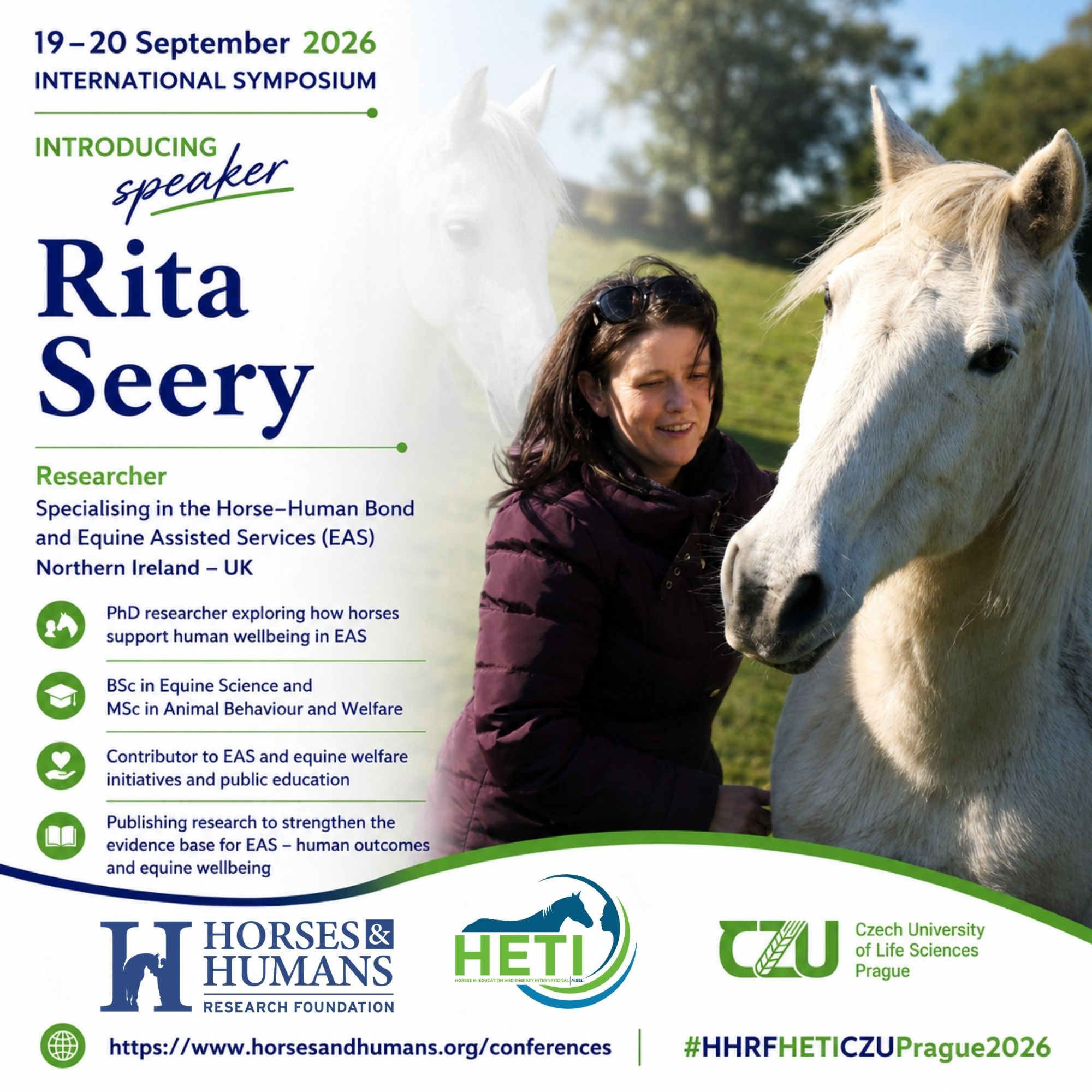
Rita Seery is a researcher specialising in the horse–human bond and the role of horses within Equine Assisted Services (EAS). She completed her PhD at Queen’s University Belfast in June 2026, where her research explored practitioner and service‑user perspectives to better understand how horses may support human wellbeing and how increased professionalisation can strengthen the EAS sector.
Rita’s lifelong involvement with horses began in childhood and continued through her early career in the equine industry. She holds a BSc in Equine Science from the University of Wales, Aberystwyth, and an MSc in Animal Behaviour and Welfare. She has also contributed to EAS and equine welfare initiatives, including collaborating with the USPCA to establish a long‑running horse care course aimed at improving welfare standards and public education.
She is currently publishing work that contributes to the growing evidence base for Equine Assisted Services, with a dual focus on human outcomes and equine wellbeing. Her research interests centre on how practitioner perspectives, service‑user needs, and sector development can shape effective, ethical EAS practice.
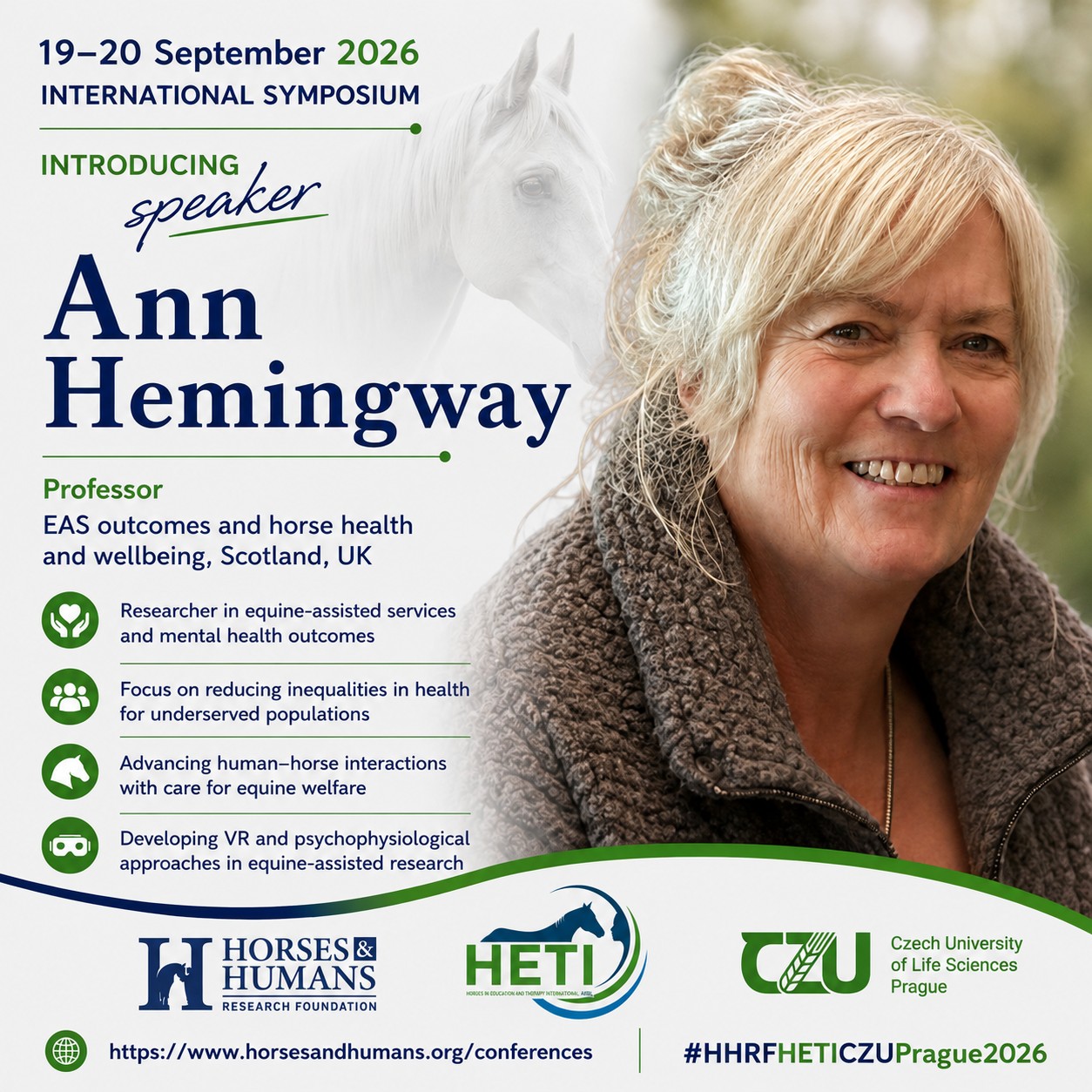
Professor Hemingway’s research explores outcomes from equine-assisted services including reductions in domestic violence and improvements in mental health. She positions this work at the intersection of public health, psychology, and social innovation. Ann`s research for the last 25 years has focused on the reduction of inequalities in health outcomes for underserved populations, through non-medicalised routes to health and wellbeing.
Ann collaborates with public health scientists, neuropsychologists, social psychologists, and equine specialists. Her equine-assisted research explores how human–horse interactions can improve wellbeing while still maintaining the dignity and wellbeing of the horses involved. Her current work is focused on psychophysiological measurement during horse human interactions and developing VR versions of equine assisted interventions. She is also committed to the use of science and philosophy to improve equine welfare. She is a committed lifelong horsewoman and mother to two wonderful sons.
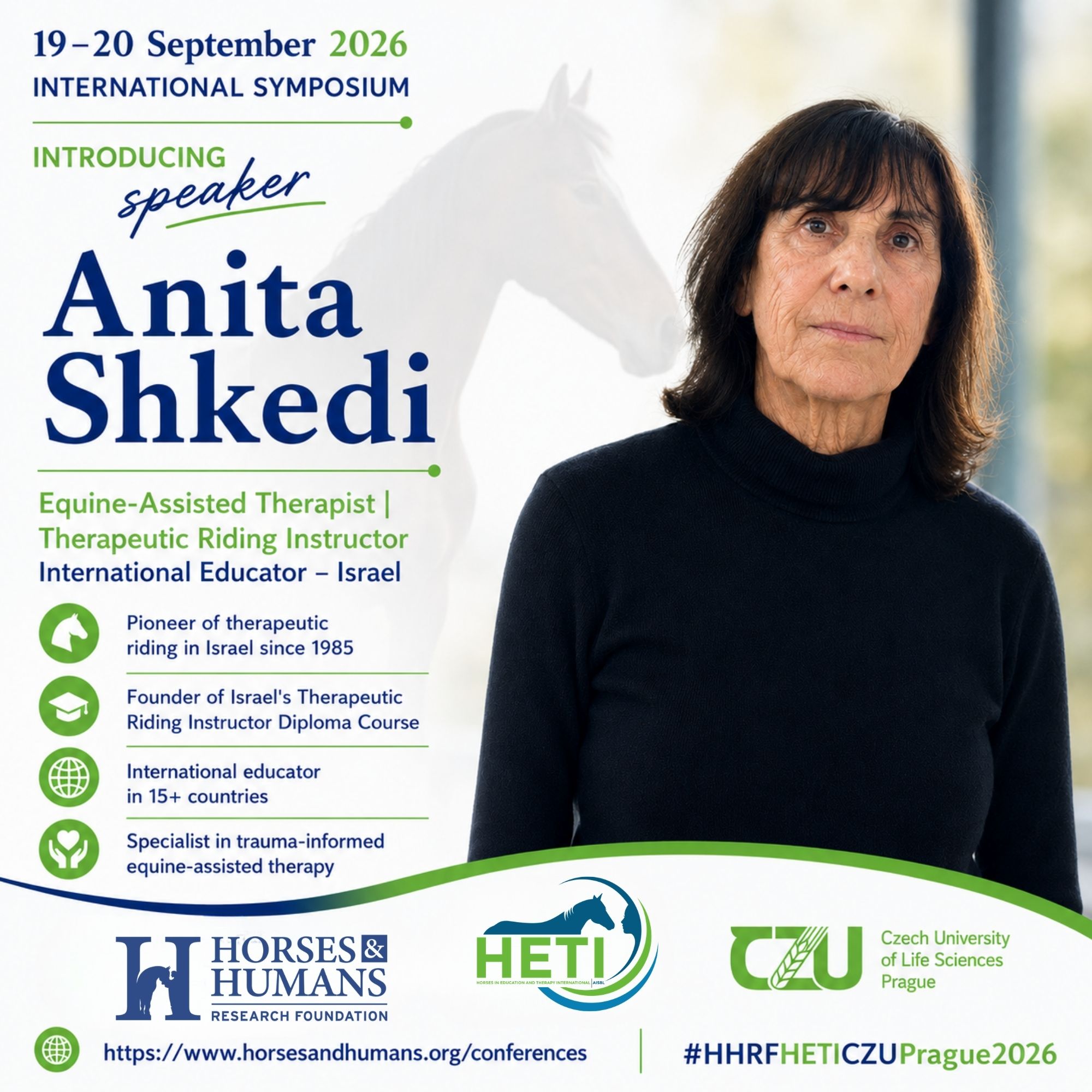
Dr. Anita Shkedi is one of the pioneers of therapeutic riding in Israel, introducing the field in 1985. She established the Therapeutic Riding Instructor Diploma Course at the Wingate Institute in 1988, leading the programme for more than two decades and educating generations of practitioners. She also founded and directed two therapeutic riding centres, making a lasting contribution to the development of the profession in Israel.
Today, Dr. Shkedi continues to support therapeutic riding programmes across Israel as an examiner and consultant while delivering education and professional development programmes in more than 15 countries. She is also the author of four professional books and publications and was part of the team that developed the HETI Ethical Guidelines.
Her work focuses on trauma-informed Equine Assisted Therapy for people with severe physical, emotional, and developmental challenges. By integrating trauma-informed care with equine-assisted approaches, she emphasises regulation, sensory integration, and relational safety within structured therapeutic environments. She also delivers an internationally recognised British CPD-certified course for professionals working with trauma survivors.
Dr. Shkedi has extensive experience in para-equestrian sport, leading the first Israeli team of riders with traumatic brain injuries to the 2nd World Dressage Championships for Disabled Riders in Denmark in 1991 and supporting para-equesestrian teams at World Championships and Paralympic competitions. In recognition of her outstanding contribution, she received the Award of Excellence from the International Jewish Sports Hall of Fame in 2015.
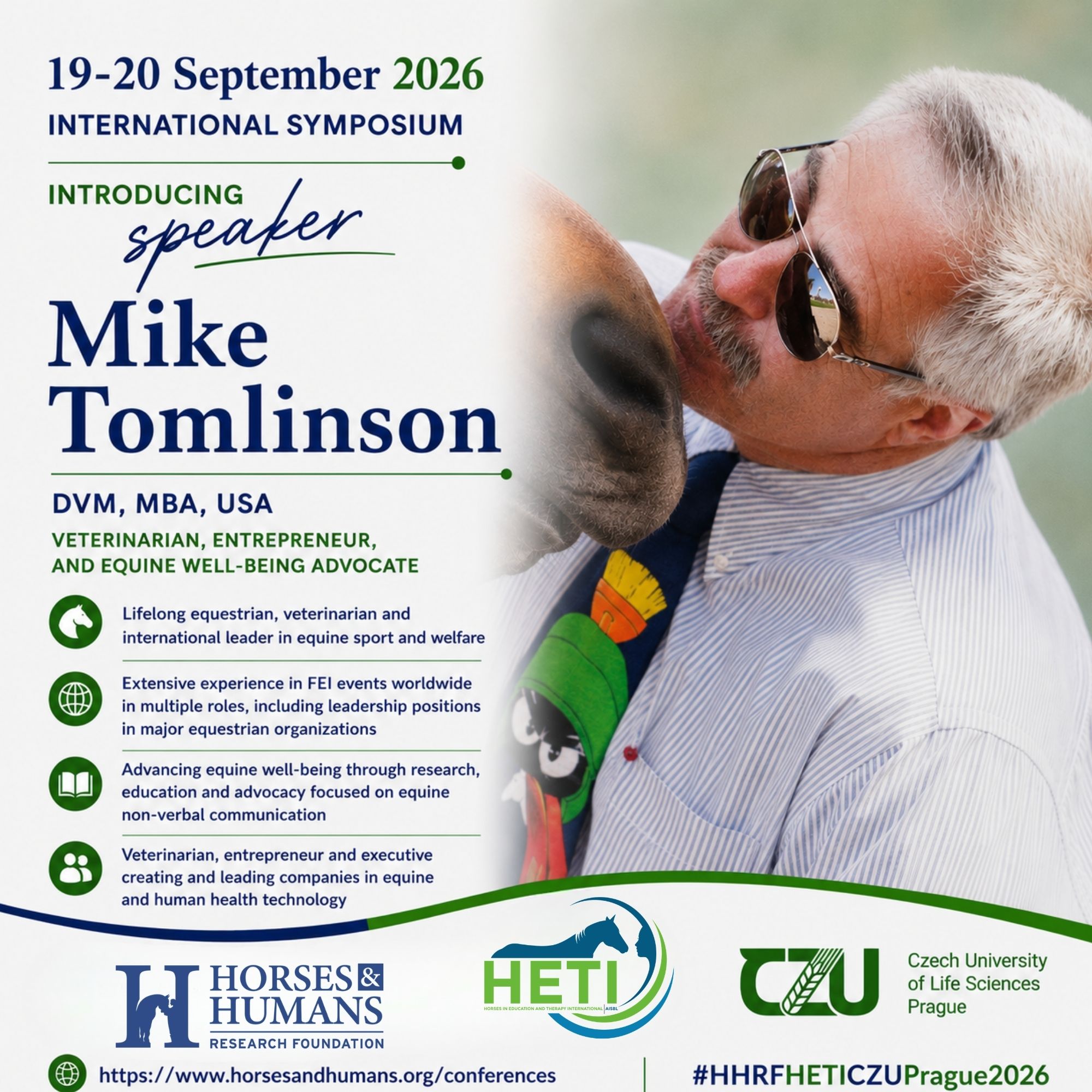
Dr. Mike Tomlinson is a veterinarian, entrepreneur, educator, and internationally recognised advocate for equine well-being. A lifelong equestrian, his career began in a riding stable and has grown into decades of work dedicated to improving the relationship between equines and humans.
Following his role as a treatment veterinarian at the 1984 Los Angeles Olympic Games, Dr. Mike became deeply involved in international equestrian sport. He has served as a veterinarian, judge, technical delegate, course designer, chief steward, team veterinarian, chef d’équipe, and organiser at hundreds of FEI events worldwide, while contributing to numerous national and international equestrian committees.
His current work focuses on understanding equine non-verbal communication by integrating veterinary medicine, physiology, psychology, anatomy, and biomechanics to better interpret what equines are communicating and why.
As both a veterinarian and entrepreneur, Dr. Mike has helped establish and lead companies in equine and human health technology. He continues to share his interdisciplinary expertise through research, education, and advocacy, promoting safer, healthier, and more rewarding partnerships between humans and equines.
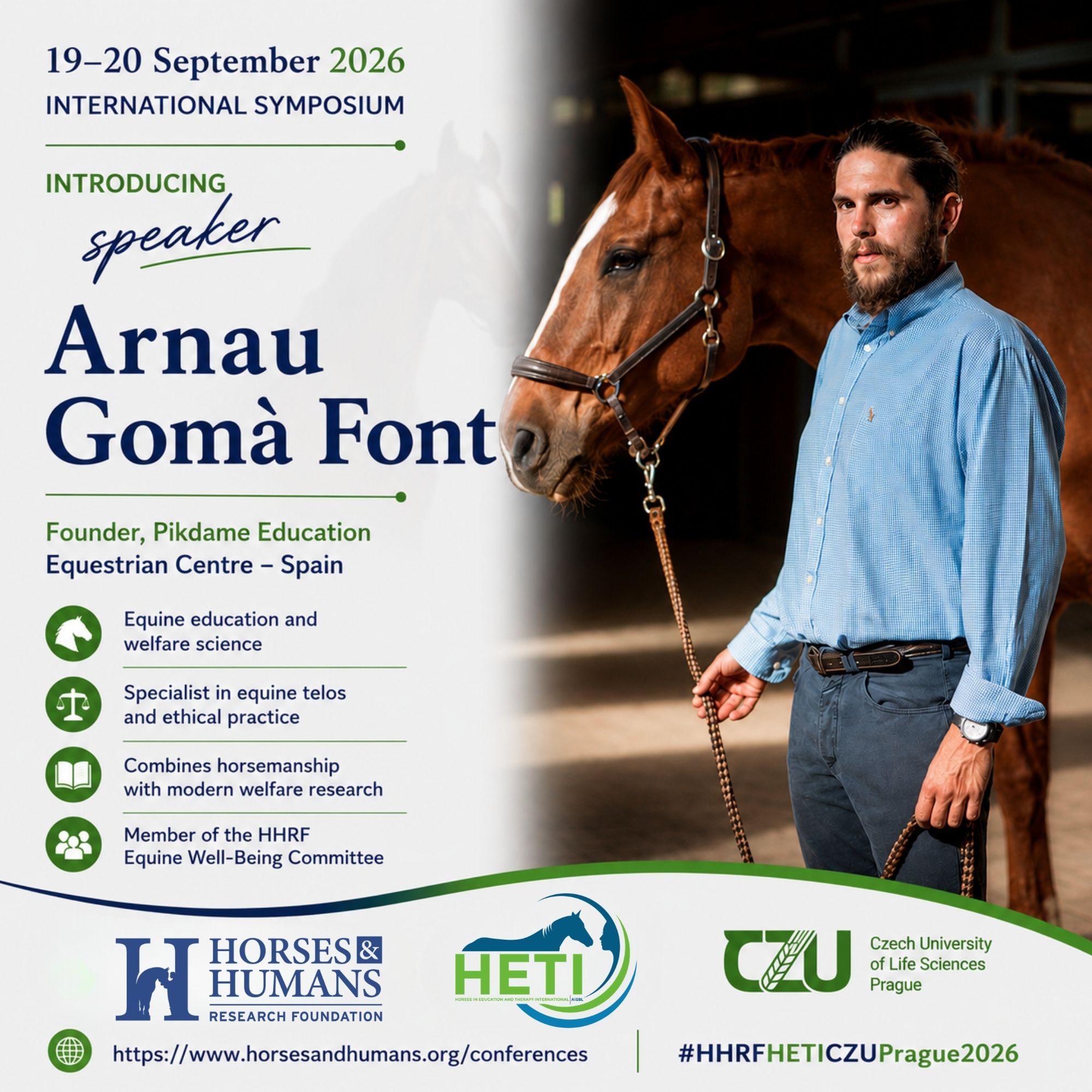
Arnau Gomà Font is the founder of Pikdame Education Equestrian Centre in Catalonia, Spain, where he works alongside a multidisciplinary team dedicated to equine education, welfare science, and telos-informed equine practice. His background combines formal training in economics and business leadership with professional equestrian qualifications through both the British Horse Society and the Real Federación Española de Hípica.
His work focuses on developing, teaching, and researching innovative frameworks that promote positive states of being for both equines and humans across mental, emotional, physical, and spiritual dimensions. Central to his philosophy is the concept of equine telos—recognising the equine's intrinsic nature as a social, mobile, and sentient being, and ensuring that horse–human interactions respect and support that nature.
By integrating traditional horsemanship with modern welfare science, Arnau advocates for approaches that move beyond performance towards mutual flourishing, autonomy, and sustainable well-being. As a member of the Horses and Humans Research Foundation (HHRF) Equine Well-Being Committee, he contributes to advancing research-informed frameworks that prioritise species-appropriate care and a deeper understanding between equines and humans.
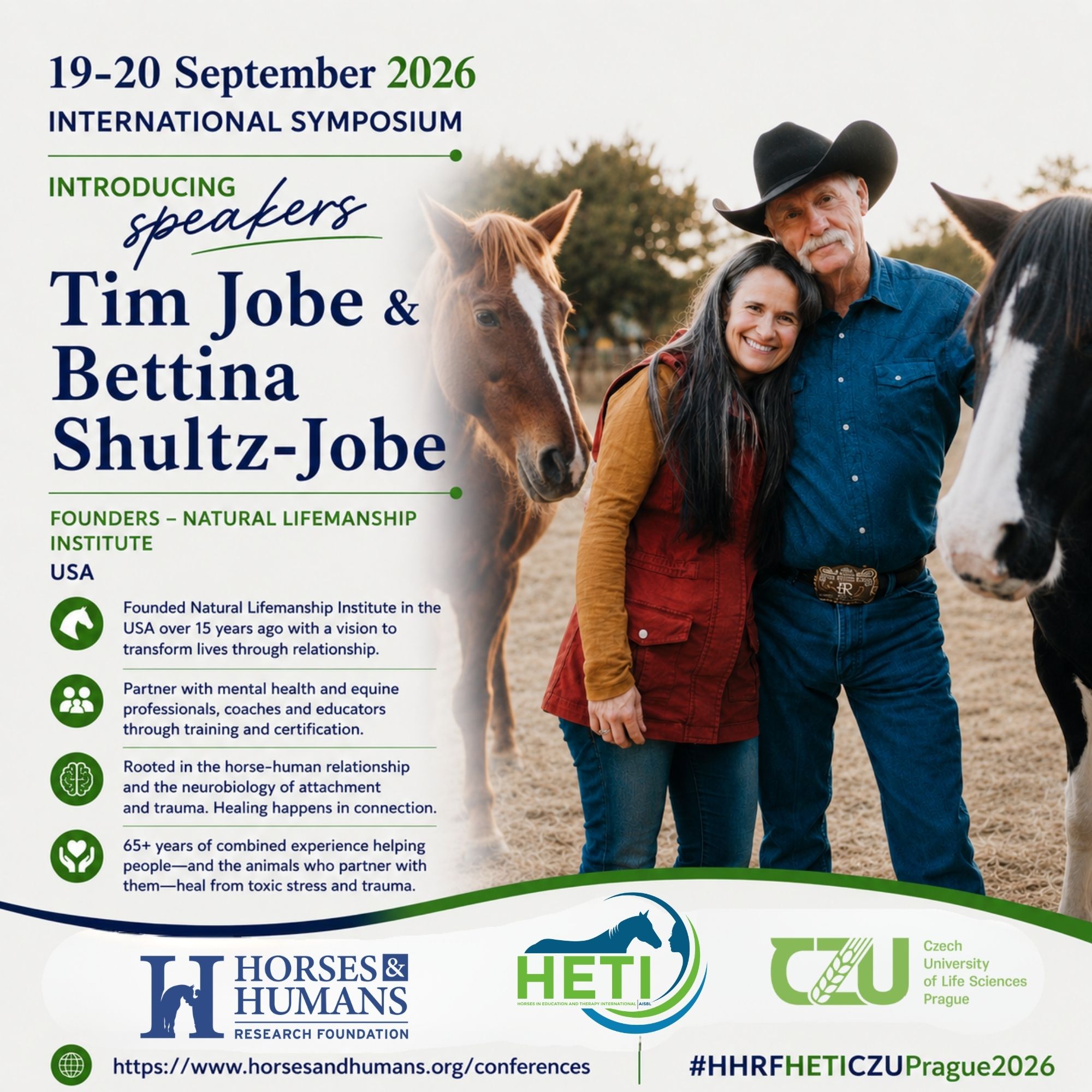
More than fifteen years ago, Tim Jobe and Bettina Shultz-Jobe founded the Natural Lifemanship Institute with a vision of transforming lives through the healing power of relationship. Today, Natural Lifemanship partners with mental health professionals, equine professionals, coaches, and educators worldwide through training and certification grounded in the horse–human relationship and the neurobiology of attachment and trauma.
Alongside their educational work, Tim and Bettina lead NL Counseling & Wellness and Old Mill Creek Academy and Schoolhouse while maintaining a part-time clinical practice. Together, they have dedicated their careers to supporting both professionals and the people they serve through relationship-based approaches to healing.
With more than 65 years of combined experience, Tim and Bettina continue to advance the understanding of how trusting relationships between humans and equines can support recovery from toxic stress and trauma.
Hot Topics Panel
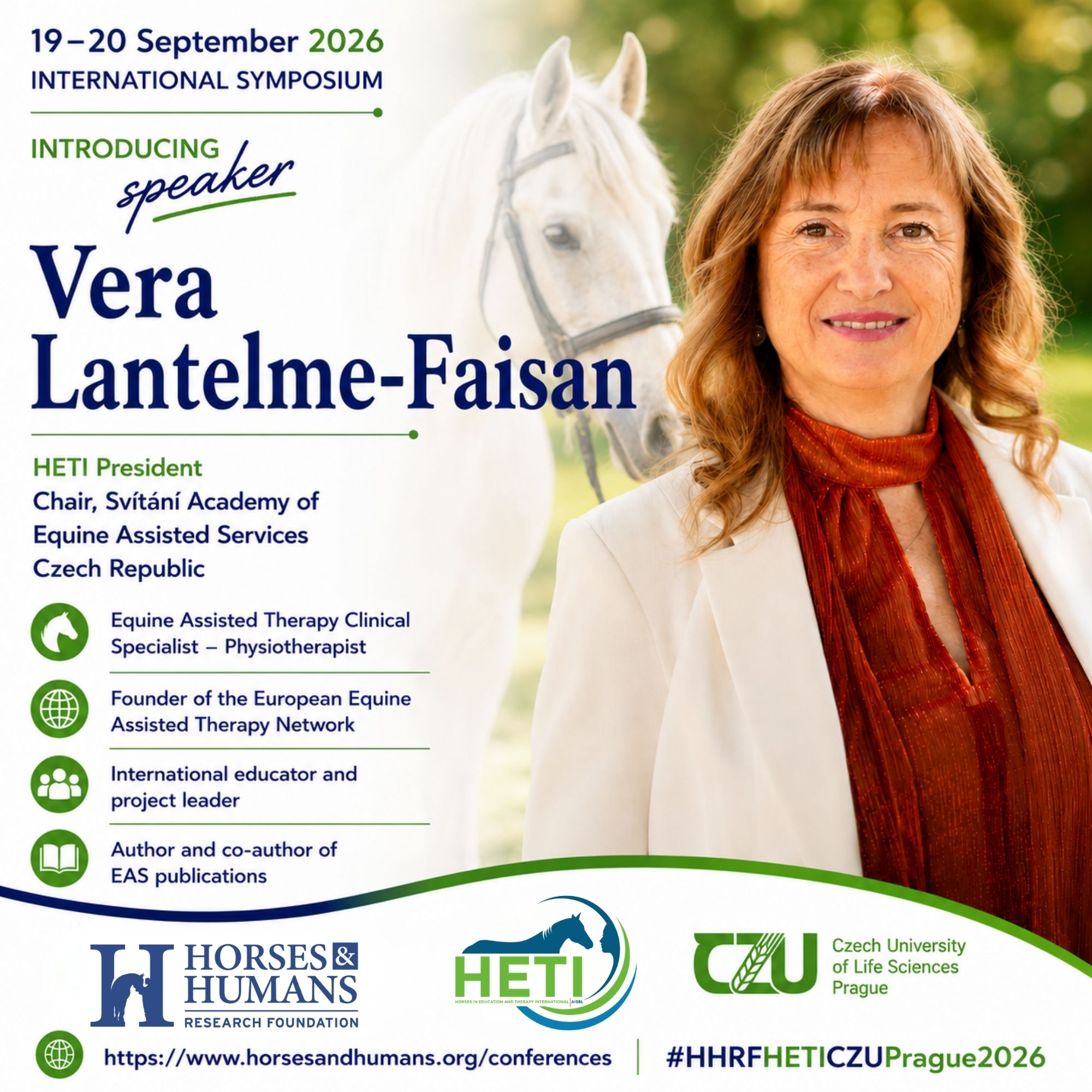
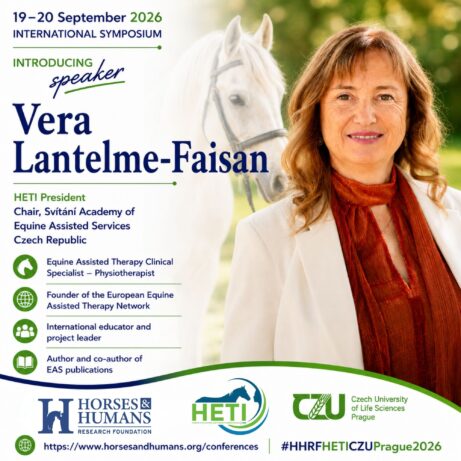
Věra Lantelme-Faisan is a physiotherapist with more than 25 years of clinical experience in Equine Assisted Physiotherapy. Throughout her career, she has combined clinical practice, education, international collaboration, and leadership to advance professional standards in Equine Assisted Services.
She is President of Horses in Education and Therapy International (HETI), Chair of Svítání Academy of Equine Assisted Services, and an international lecturer. She previously served for eight years as Chair of the Czech Equine Facilitated Therapy Association (CEFTA) and founded the European Equine Assisted Therapy Network (EEATN) in 2019 to strengthen collaboration between professionals across Europe.
Věra has developed and delivered professional education programmes in Europe and the Middle East, including establishing a hippotherapy centre and certified training programmes at a rehabilitation hospital in Saudi Arabia.
She has led international conferences, educational initiatives, and Erasmus+ projects, with a strong focus on evidence-based practice, clinical reasoning, equine welfare, and the professional recognition of Equine Assisted Services.
She is the author and co-author of several professional publications, including Hippotherapy (2018), Therapy Horse Certification System (2018), and Zooterapie v kostce (2020).
Today, her work continues to focus on connecting research with clinical practice while supporting practitioners, educators, and organisations worldwide in raising the quality of Equine Assisted Services.
Arnau Gomà Font is the founder of Pikdame Education Equestrian Centre in Catalonia, Spain, where he works alongside a multidisciplinary team dedicated to equine education, welfare science, and telos-informed equine practice. His background combines formal training in economics and business leadership with professional equestrian qualifications through both the British Horse Society and the Real Federación Española de Hípica.
His work focuses on developing, teaching, and researching innovative frameworks that promote positive states of being for both equines and humans across mental, emotional, physical, and spiritual dimensions. Central to his philosophy is the concept of equine telos—recognising the equine's intrinsic nature as a social, mobile, and sentient being, and ensuring that horse–human interactions respect and support that nature.
By integrating traditional horsemanship with modern welfare science, Arnau advocates for approaches that move beyond performance towards mutual flourishing, autonomy, and sustainable well-being. As a member of the Horses and Humans Research Foundation (HHRF) Equine Well-Being Committee, he contributes to advancing research-informed frameworks that prioritise species-appropriate care and a deeper understanding between equines and humans.
More than fifteen years ago, Tim Jobe and Bettina Shultz-Jobe founded the Natural Lifemanship Institute with a vision of transforming lives through the healing power of relationship. Today, Natural Lifemanship partners with mental health professionals, equine professionals, coaches, and educators worldwide through training and certification grounded in the horse–human relationship and the neurobiology of attachment and trauma.
Alongside their educational work, Tim and Bettina lead NL Counseling & Wellness and Old Mill Creek Academy and Schoolhouse while maintaining a part-time clinical practice. Together, they have dedicated their careers to supporting both professionals and the people they serve through relationship-based approaches to healing.
With more than 65 years of combined experience, Tim and Bettina continue to advance the understanding of how trusting relationships between humans and equines can support recovery from toxic stress and trauma.
Dr. Sarah Reega is a Postdoctoral Researcher at Purdue University's College of Veterinary Medicine (USA), where she works with Dr. Leanne Nieforth in the Human Animal Partnerships and Interactions (HAPI) Lab at the Center for the Human-Animal Bond.
She holds a PhD in Animal Sciences from Colorado State University, an MSc in Equine Science from the University of Edinburgh, and a BSc in Equine Studies: Equine Science from the University of New Hampshire.
Sarah is a PATH Intl. Advanced Instructor, Equine Specialist in Mental Health and Learning (ESMHL), CTRI®, mentor, and faculty member. As a mixed-methods researcher, her interests include Equine Assisted Services, equitation science, horse–human interactions in both ridden and unmounted contexts, equine welfare and behaviour, and therapeutic human–animal interactions across species.
Alongside her academic work, Sarah is a competitive endurance rider and eventer at the national level and is the owner of two chestnut Arabian mares.
Dr. Mike Tomlinson is a veterinarian, entrepreneur, educator, and internationally recognised advocate for equine well-being. A lifelong equestrian, his career began in a riding stable and has grown into decades of work dedicated to improving the relationship between equines and humans.
Following his role as a treatment veterinarian at the 1984 Los Angeles Olympic Games, Dr. Mike became deeply involved in international equestrian sport. He has served as a veterinarian, judge, technical delegate, course designer, chief steward, team veterinarian, chef d’équipe, and organiser at hundreds of FEI events worldwide, while contributing to numerous national and international equestrian committees.
His current work focuses on understanding equine non-verbal communication by integrating veterinary medicine, physiology, psychology, anatomy, and biomechanics to better interpret what equines are communicating and why.
As both a veterinarian and entrepreneur, Dr. Mike has helped establish and lead companies in equine and human health technology. He continues to share his interdisciplinary expertise through research, education, and advocacy, promoting safer, healthier, and more rewarding partnerships between humans and equines.
Dr. Alexandra Stergiou is a physical educator, researcher, and equestrian coach with extensive experience in Equine-Assisted Services. She founded the Ioannina Therapeutic Riding Center in Greece, where she served for many years as Scientific Director, and has conducted research on the effects of equine-assisted interventions for children with cerebral palsy, autism spectrum disorder, and neuromuscular conditions.
Her doctoral research focused on evaluating equine-assisted intervention for children and adolescents with motor impairments. Throughout her academic career, she has taught at university level in special education, inclusion, research methodology, developmental psychology, and parental counselling.
Alexandra serves as Vice President of Horses in Education and Therapy International (HETI), Chair of the HETI Research Committee, and Editor-in-Chief of the HETI Journal: International Research and Practice. She has also been actively involved with Special Olympics Hellas as an equestrian coach.
Her work is dedicated to advancing evidence-based practice, equine welfare, ethics, inclusion, and international collaboration in the field of Equine-Assisted Services.
Sanna Mattila-Rautiainen, MSc (Exercise Medicine), Physiotherapist, Equine-Assisted Therapist (SRT), Finland.
Sanna is a doctoral researcher in biomedicine at the University of Eastern Finland and a highly respected clinician with more than 35 years of experience in Equine-Assisted Therapy (EAT). Throughout her career, she has played a significant role in developing equine-assisted therapy in Finland as a practitioner, educator, researcher, and advocate.
Her current research explores the biomechanical and psychosocial effects of Equine-Assisted Physiotherapy (EAPT), with a particular focus on chronic low back pain rehabilitation, gait kinematics, and the therapeutic interaction between equine and human movement.
Sanna also served as HETI President from 2015 to 2021, contributing substantially to the international development of Equine Assisted Services.
SUNDAY, 19 September
Horse and Human Interaction Lighting Round
Jitka Bartošová is Head of the Department of Ethology and Welfare at the Institute of Animal Science in Prague and teaches equine ethology and welfare at the Czech University of Life Sciences Prague. She is also a visiting lecturer at other universities and supervises students across all levels of study.
Her scientific work focuses on animal behaviour and welfare, with research interests including parental behaviour, reproductive strategies, social behaviour, and the application of learning theory. She has participated in several research projects, including AWIN, and regularly publishes in peer-reviewed journals while actively promoting scientific knowledge.
A lifelong advocate for evidence-based and biologically logical approaches to animal management, Jitka brings these principles to her research on therapeutic equines. She has collaborated for many years with CEFTA, is a member of the International Society for Equitation Science, and serves on the board of the SRAZ Association at Toulcův dvůr.
Alongside her scientific work, Jitka is the proud owner and rider of a black Kladruber equine, reflecting her lifelong passion for equines and their welfare.
The horse–human relationship has become a central topic in equitation science, reflecting a broader shift toward evidence‑based understanding of how horses perceive, respond to, and cooperate with humans. Scientifically, the horse–human relationship is defined as a dynamic, reciprocal interaction between horses and people, shaped by the horse’s behavioural ecology, learning history, and emotional state, as well as the human’s handling style, predictability, and ability to meet the animal’s biological needs. This conceptualisation moves beyond viewing the relationship primarily as an affective state. Instead, it frames it as a measurable construct that influences welfare, training outcomes, and the reliability of horses in tasks requiring voluntary cooperation.
Across our behavioural studies on horses, we repeatedly observed substantial variation in horses’ motivation and willingness to participate in a range of experimental tests. Apparently, a consistent pattern emerged: horses whose owners provided management and training aligned with the species’ biological needs—such as adequate social contact, free movement, predictable handling, or low‑conflict training—showed markedly higher willingness to engage with the tasks. This supports the growing body of evidence that welfare‑compatible management enhances horses’ readiness to cooperate with humans, and thereby strengthens the functional quality of the horse–human relationship.
The subjective quality of the horse–human relationship, as described by owners, did not always correlate with the horses’ actual performance in cooperation‑based tests. Horses not infrequently performed better with an unfamiliar experimenter than with their own owner, even when the owner reported a positive and trusting relationship. These findings highlight that perceived relationship quality may not reliably reflect the horse’s behavioural readiness to cooperate, and that human interpretations of relational closeness can diverge from measurable behavioural indicators.
Overall, our experience reinforces the need for objective, welfare‑based assessment of horse–human interactions. They further indicate that owners’ subjective perceptions of relationship quality may be influenced by a limited understanding of equine biological needs and affective states, as well as by misinterpreting horses’ responses and their relationships with familiar people, as well as with men in general. This has important implications for training, welfare evaluation, and the design of future behavioural studies.
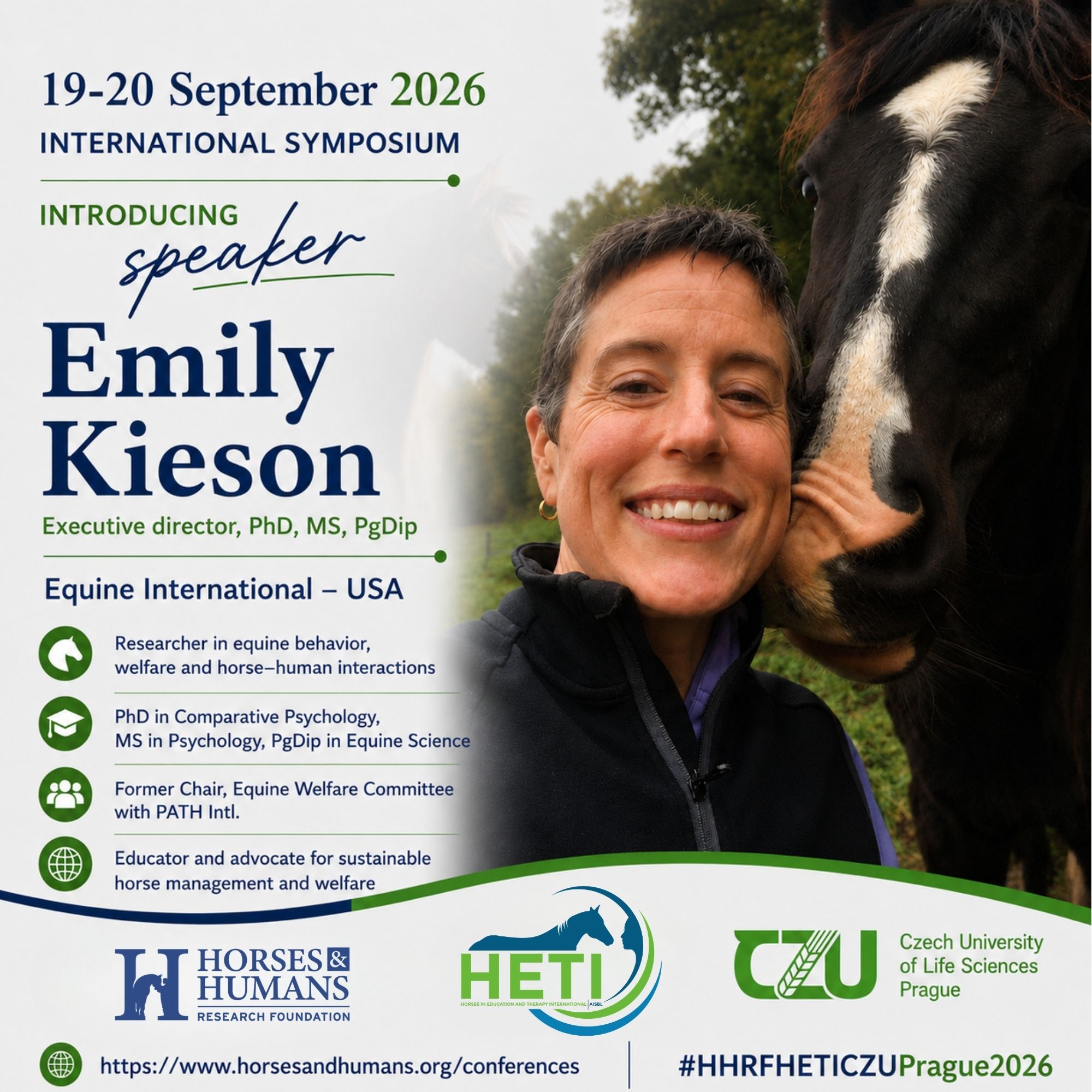
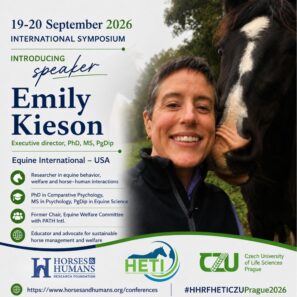
Dr. Emily Kieson, PhD, MS, PgDip is Executive Director of Equine International, a US-based nonprofit organisation dedicated to research, education, and outreach in equine behaviour, welfare, and equine–human interactions. With a background in comparative psychology, psychology, and equine science, her work brings together behavioural science and practical applications for equine management and Equine Assisted Services.
Her research focuses on equine behavioural psychology, equine welfare, and horse–human interactions. More recently, she has been investigating equine affiliative behaviours to better understand how equines form and maintain social bonds, and how these behaviours may serve as indicators of positive welfare in both domestic management and Equine Assisted Services.
Emily is also passionate about developing sustainable systems of equine management that support both the physical and psychological well-being of equines while promoting healthy ecosystems. In addition to her research, she teaches university courses in psychology, animal–human interactions, animal-assisted interventions, animal behaviour and training, and animal welfare and ethics.
She previously served as Chair of the PATH International Equine Welfare Committee and continues to contribute to advancing evidence-based approaches to equine welfare and human–equine interactions.
Affiliative behaviors are an important but often underused source of information in equine-assisted services (EAS). While practitioners are commonly trained to recognize signs of stress, avoidance, or unsafe behavior, less attention is often given to the subtle behaviors through which horses express social interest, comfort, connection, and willingness to engage. This presentation focuses on observable affiliative behaviors that can help EAS practitioners better understand horse–human interactions during both mounted and unmounted activities.
Drawing from findings from an affiliative behavior study, this presentation will identify practical behavioral indicators such as proximity seeking, relaxed approach, mutual orientation, soft or sustained attention, affiliative touch, following, co-regulation, and relaxed shared presence. These behaviors can provide meaningful information about how horses are experiencing and participating in interactions with humans. Rather than viewing the horse as a passive participant or therapeutic tool, attention to affiliative behavior allows practitioners to recognize the horse as an active social partner whose behavior communicates comfort, interest, boundaries, and relational availability.
The importance of these behaviors is supported by research on equine social behavior, welfare, and horse–human interaction, as well as by broader frameworks such as One Welfare and Interspecies Relational Theory. Together, these perspectives emphasize that equine wellbeing and human wellbeing are interconnected, and that the quality of the relationship itself matters. In EAS, affiliative behaviors may also support human learning by creating opportunities to practice attunement, emotional regulation, consent awareness, boundary recognition, communication, and reciprocal engagement.
The Equine–Human Ethogram will be introduced as one practical tool for observing, recording, and evaluating these interactions in applied settings. By documenting affiliative and related behaviors during EAS sessions, practitioners and researchers can better identify patterns of engagement, reciprocity, choice, and possible relational strain. This type of structured observation can support more informed decision-making around session design, horse participation, activity pacing, and welfare monitoring.
This presentation offers a practice-oriented approach to recognizing affiliative behavior as a meaningful component of relational health in EAS. By learning to notice and respond to the affiliative behaviors horses already display, practitioners can strengthen ethical, responsive, and mutually beneficial interactions that support both equine and human wellbeing.
Dr. Sarah Reega is a Postdoctoral Researcher at Purdue University's College of Veterinary Medicine (USA), where she works with Dr. Leanne Nieforth in the Human Animal Partnerships and Interactions (HAPI) Lab at the Center for the Human-Animal Bond.
She holds a PhD in Animal Sciences from Colorado State University, an MSc in Equine Science from the University of Edinburgh, and a BSc in Equine Studies: Equine Science from the University of New Hampshire.
Sarah is a PATH Intl. Advanced Instructor, Equine Specialist in Mental Health and Learning (ESMHL), CTRI®, mentor, and faculty member. As a mixed-methods researcher, her interests include Equine Assisted Services, equitation science, horse–human interactions in both ridden and unmounted contexts, equine welfare and behaviour, and therapeutic human–animal interactions across species.
Alongside her academic work, Sarah is a competitive endurance rider and eventer at the national level and is the owner of two chestnut Arabian mares.
Findings highlight the critical roles of military culture, horses, and community in creating an environment for veteran wellness and growth. Findings suggest that military culture, inclusive of a structured curriculum for systematic horsemanship skill progression, was an important aspect of the program structure. Furthermore, the role of military culture was inherently tied to the role of community. Specifically, findings revealed that veteran-based leadership and volunteers created a “by-veteran, for-veteran” atmosphere which fostered community and camaraderie. Participants expressed a desire to give back to the program, and they shared that program leadership provided clear opportunities for continued involvement in the program’s community. Findings also suggest that horses played a variety of unique roles in participant growth outcomes. Participants shared about the process of bonding with their horse, and how specific horsemanship skills and equine-assisted learning activities allowed them the space for therapeutic gains such as emotional awareness, emotional regulation, and perspective-shifting. Overall, findings suggest that the studied horsemanship-based equine-assisted learning program provided a safe and supportive environment for veterans to develop a sense of community, bond with horses, and improve psychological wellness.
This study provides valuable veteran perspectives into what makes one horsemanship-focused equine-assisted learning program effective and impactful. Participant voices are essential to advancing equine-assisted services, as it is participants who are most impacted by program development and improvement.
Horse and Human Interaction Panel
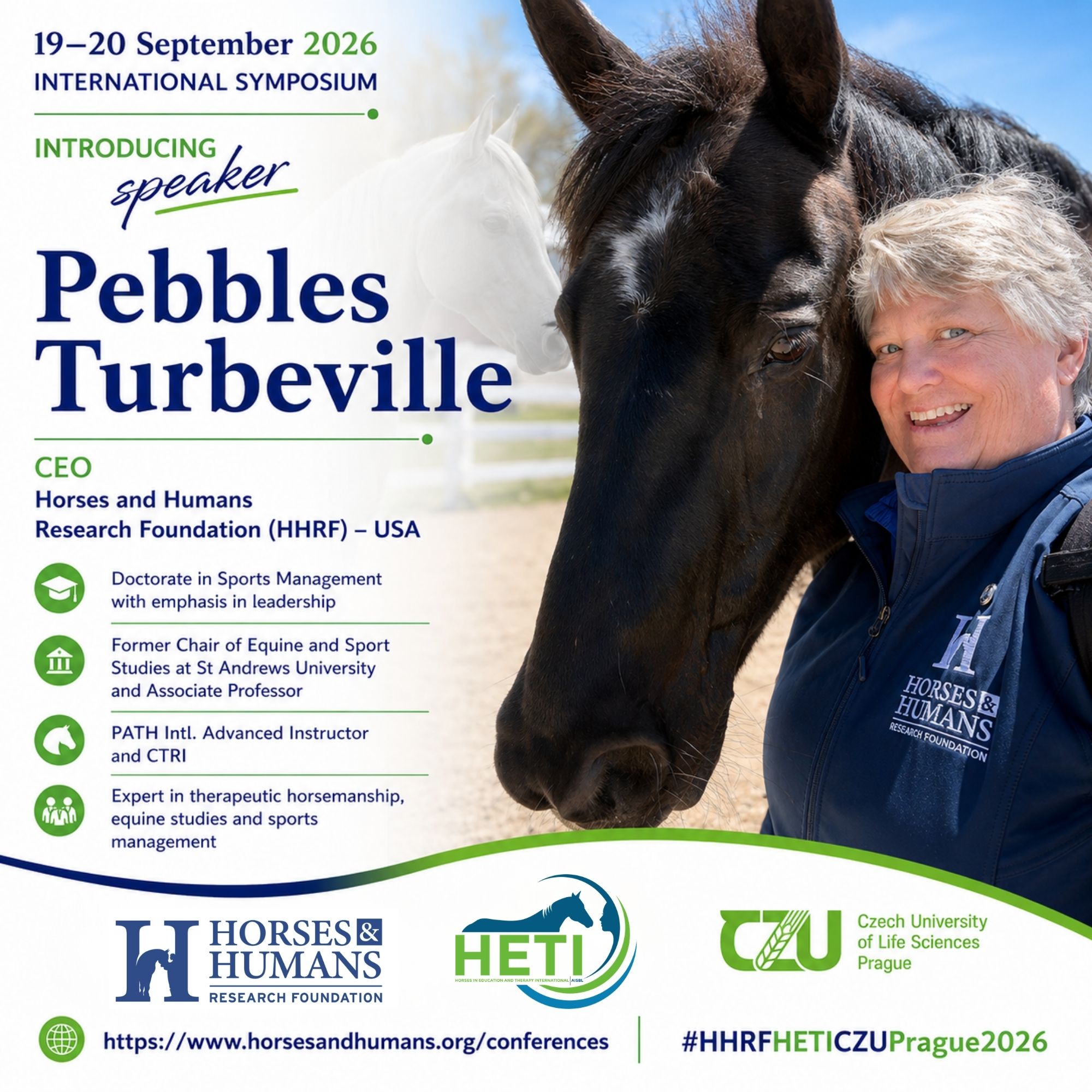
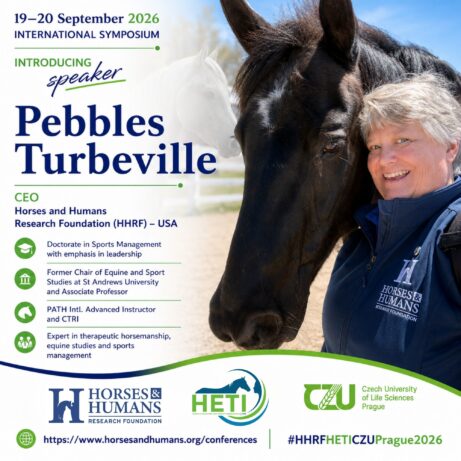
Dr. Pebbles Turbeville is the CEO of the Horses and Humans Research Foundation (HHRF). She holds a doctorate in Sports Management with an emphasis in leadership, a master’s degree from NC State and a BA from Columbia College. She chaired the Equine and Sport Studies Department at St Andrews University in Laurinburg, NC where she was an associate professor teaching Therapeutic Horsemanship, Equine Studies and Sports Management courses as well as the therapeutic horsemanship director. She is PATH Intl. certified as an Advanced Instructor and a CTRI.
More than fifteen years ago, Tim Jobe and Bettina Shultz-Jobe founded the Natural Lifemanship Institute with a vision of transforming lives through the healing power of relationship. Today, Natural Lifemanship partners with mental health professionals, equine professionals, coaches, and educators worldwide through training and certification grounded in the horse–human relationship and the neurobiology of attachment and trauma.
Alongside their educational work, Tim and Bettina lead NL Counseling & Wellness and Old Mill Creek Academy and Schoolhouse while maintaining a part-time clinical practice. Together, they have dedicated their careers to supporting both professionals and the people they serve through relationship-based approaches to healing.
With more than 65 years of combined experience, Tim and Bettina continue to advance the understanding of how trusting relationships between humans and equines can support recovery from toxic stress and trauma.
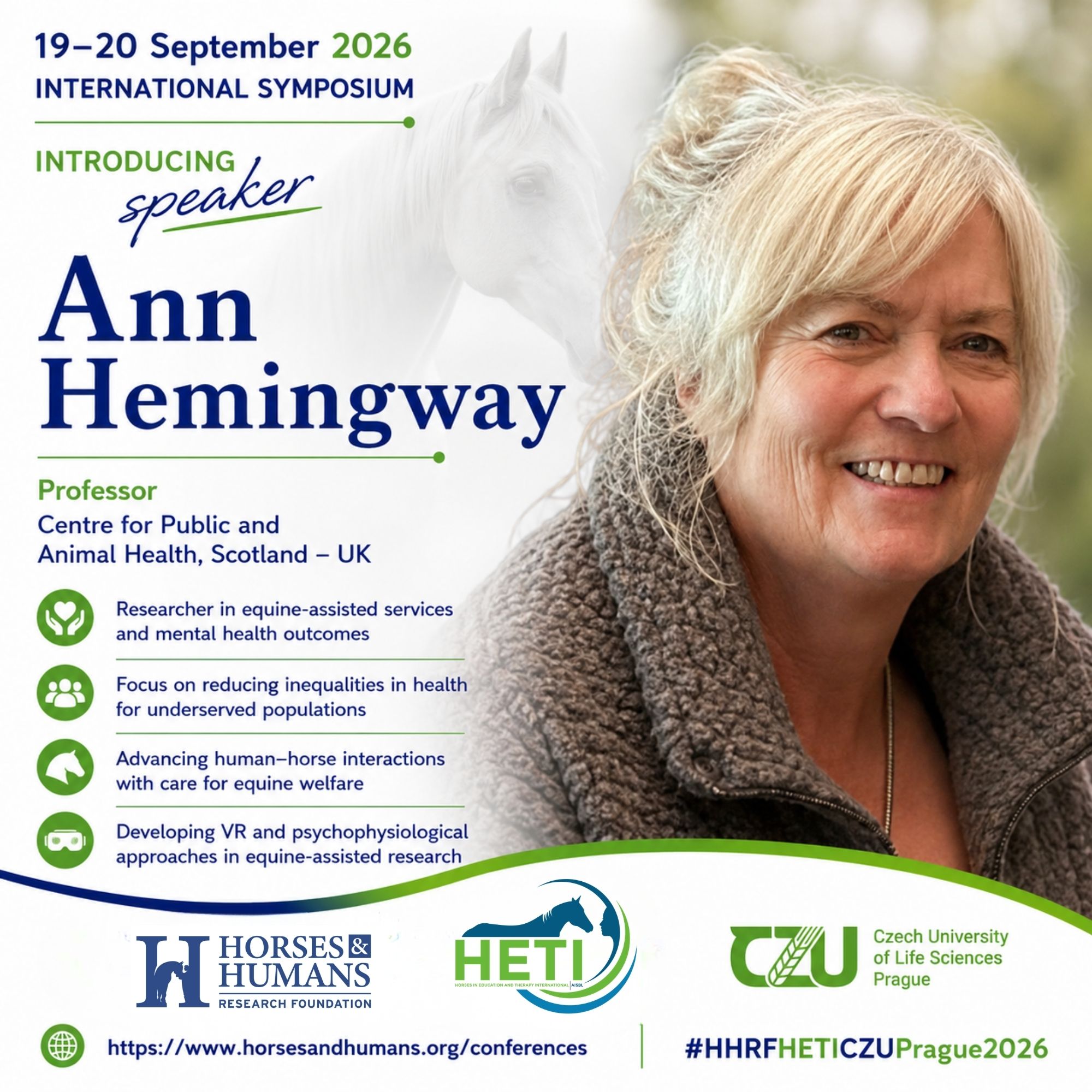
Professor Hemingway’s research explores outcomes from equine-assisted services including reductions in domestic violence and improvements in mental health. She positions this work at the intersection of public health, psychology, and social innovation. Ann`s research for the last 25 years has focused on the reduction of inequalities in health outcomes for underserved populations, through non-medicalised routes to health and wellbeing.
Ann collaborates with public health scientists, neuropsychologists, social psychologists, and equine specialists. Her equine-assisted research explores how human–horse interactions can improve wellbeing while still maintaining the dignity and wellbeing of the horses involved. Her current work is focused on psychophysiological measurement during horse human interactions and developing VR versions of equine assisted interventions. She is also committed to the use of science and philosophy to improve equine welfare. She is a committed lifelong horsewoman and mother to two wonderful sons.
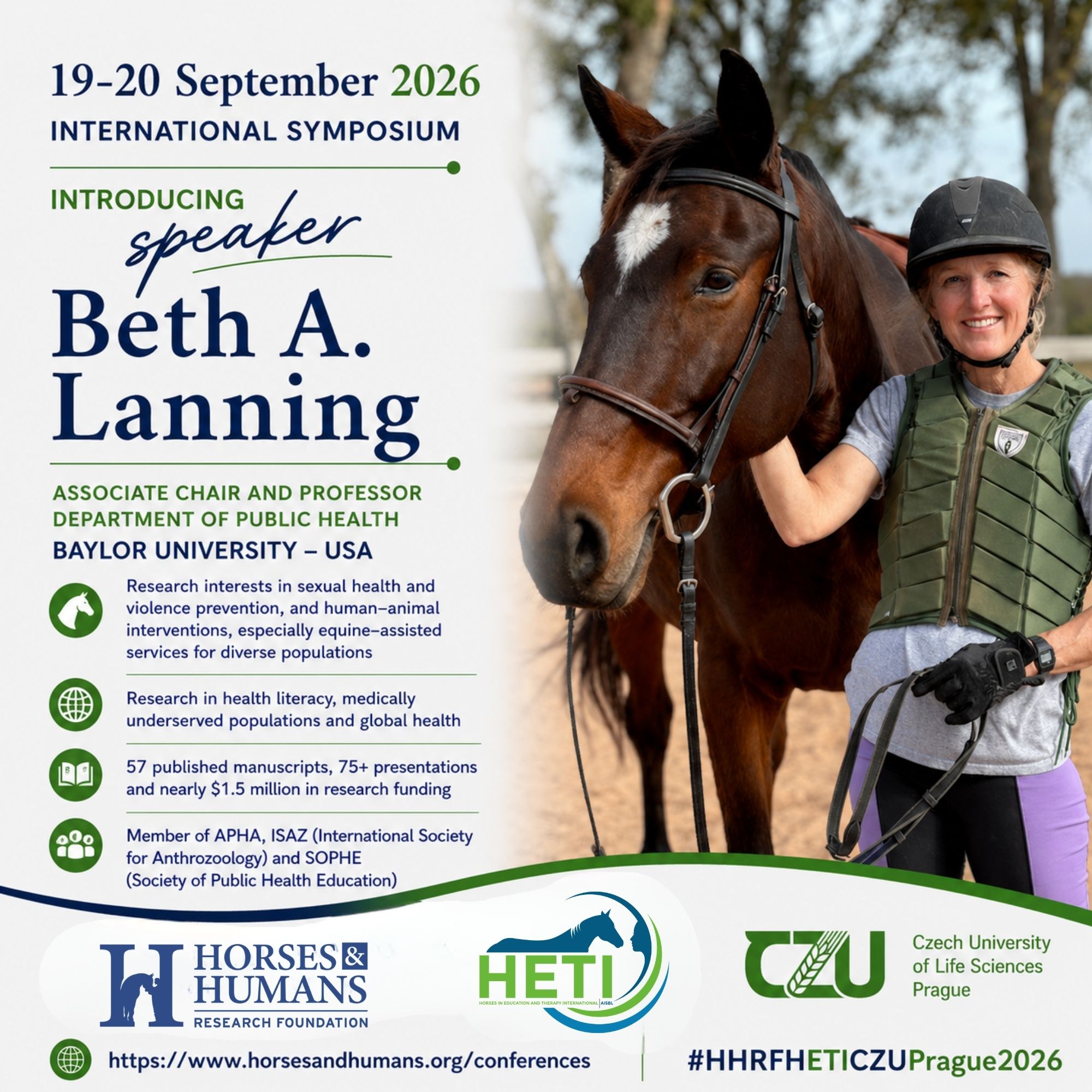
Beth A. Lanning, PhD, MCHES, is Associate Chair and Professor in the Department of Public Health at Baylor University, where she also directs a global health initiative in Rwanda. Her research focuses on two primary areas: sexual health, including sexual violence prevention, and human–animal interventions, particularly Equine Assisted Services for trauma recovery, veterans with PTSD and depression, children with autism and cerebral palsy, and at-risk youth.
She has also conducted research in health literacy, medically underserved populations, and global health. Dr. Lanning has published 57 peer-reviewed manuscripts, delivered more than 75 professional presentations, and secured nearly $1.5 million in research funding. She is a member of the American Public Health Association (APHA), the International Society for Anthrozoology (ISAZ), and the Society for Public Health Education (SOPHE).
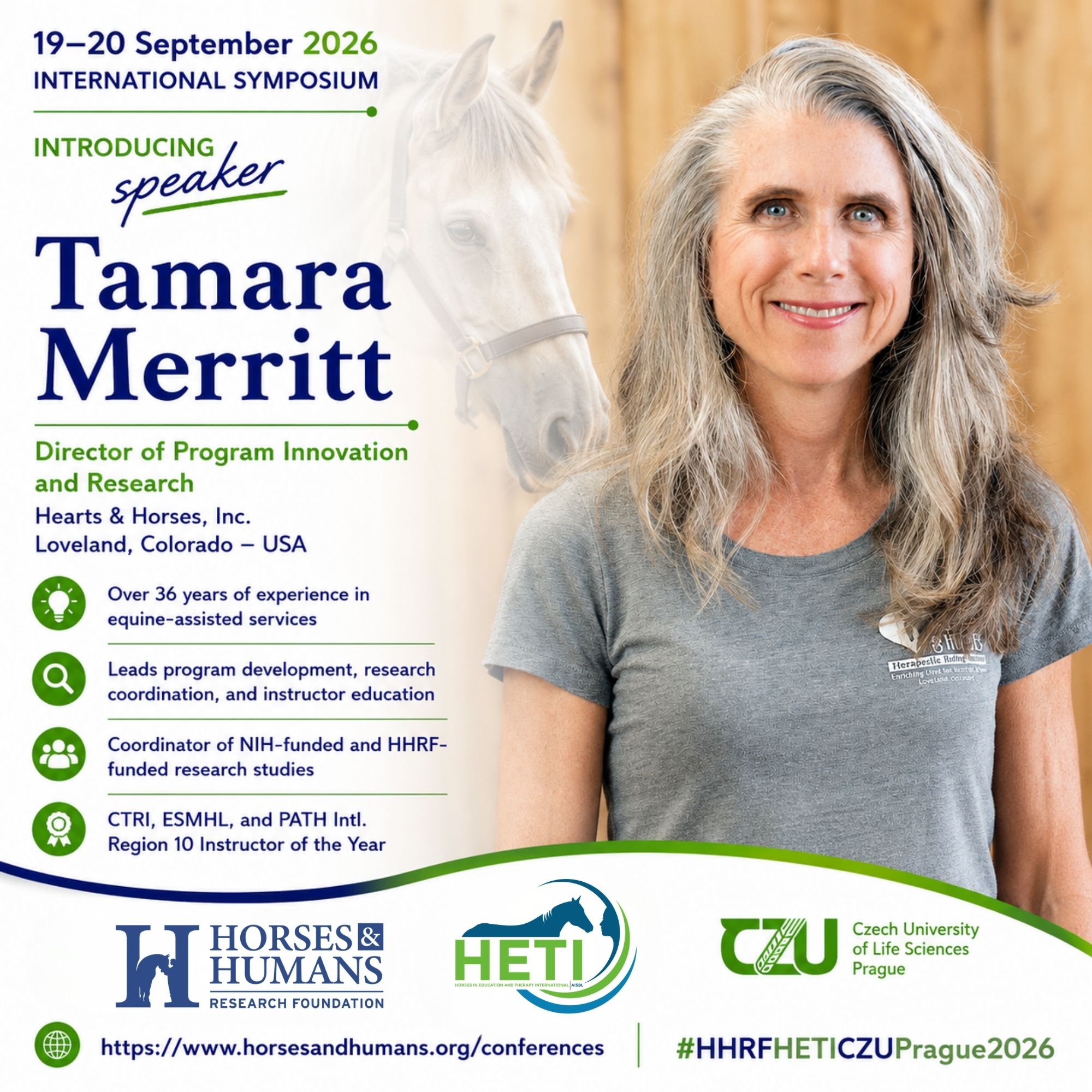
Tamara Merritt currently serves as the Director of Program Innovation and Research at Hearts & Horses, Inc.(Loveland, Colorado, USA), bringing more than 36 years of experience in the equine-assisted services industry. Her work has focused on developing innovative programming and advancing research for individuals with diverse needs in equine-assisted services.
In her role, she oversees program development, instructor education, research coordination, and community outreach. Since 2015, she has also served as the logistics coordinator for multiple research initiatives at Hearts & Horses. This includes a five-year, multi-site, NIH-funded randomized controlled trial examining the physiological mechanisms underlying both the immediate and long-term effects of therapeutic horseback riding for youth with autism spectrum disorder and co-occurring psychiatric conditions. She is currently supporting a Horses and Humans Research Foundation-funded study investigating brain activation responses to equine interactions during a 10-week, manual-based therapeutic horseback riding intervention for youth with autism.
Through this work, Tamara is committed to contributing to the growing body of scientific evidence that defines and quantifies the unique benefits of equine-assisted services. She also serves on multiple advisory committees dedicated to establishing best practices within the field.
Tamara is a Certified Therapeutic Riding Instructor (CTRI), an Equine Specialist in Mental Health and Learning (ESMHL), and a recipient of the PATH Intl. Region 10 Instructor of the Year Award.
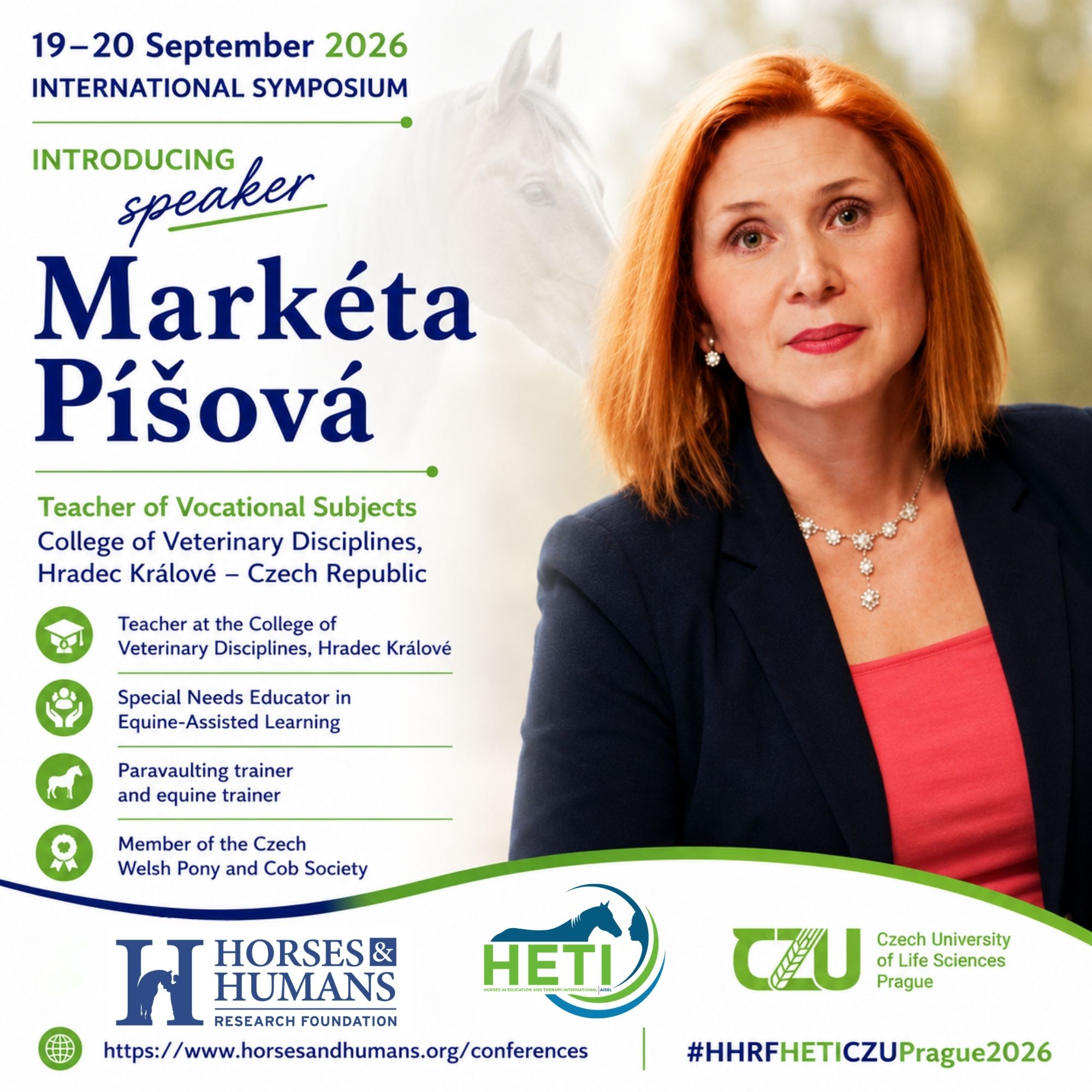
Markéta Píšová, PhD, is a special needs educator, equine professional, and lecturer with extensive experience in Equine Facilitated Services. She teaches animal science and veterinary subjects at the College of Veterinary Disciplines in Hradec Králové and combines her academic work with practical experience supporting children and adults through Equine Facilitated Learning.
Markéta holds degrees in animal science, horse breeding, and special needs education, as well as a PhD in animal reproduction. Her work focuses on equine-assisted interventions, horse training, adapted vaulting, and the preparation of therapy equines. She has completed specialised training in Equine Facilitated Learning, therapy equine preparation, and psychotherapy, and has participated in several international educational projects.
Alongside her teaching and clinical practice, Markéta is an active rider, trainer, and long-standing member of the Czech Welsh Pony and Cob Society breeding committee. Her professional interests combine equine welfare, education, and evidence-based Equine Assisted Services.
Wrap Up
Tamara Merritt currently serves as the Director of Program Innovation and Research at Hearts & Horses, Inc.(Loveland, Colorado, USA), bringing more than 36 years of experience in the equine-assisted services industry. Her work has focused on developing innovative programming and advancing research for individuals with diverse needs in equine-assisted services.
In her role, she oversees program development, instructor education, research coordination, and community outreach. Since 2015, she has also served as the logistics coordinator for multiple research initiatives at Hearts & Horses. This includes a five-year, multi-site, NIH-funded randomized controlled trial examining the physiological mechanisms underlying both the immediate and long-term effects of therapeutic horseback riding for youth with autism spectrum disorder and co-occurring psychiatric conditions. She is currently supporting a Horses and Humans Research Foundation-funded study investigating brain activation responses to equine interactions during a 10-week, manual-based therapeutic horseback riding intervention for youth with autism.
Through this work, Tamara is committed to contributing to the growing body of scientific evidence that defines and quantifies the unique benefits of equine-assisted services. She also serves on multiple advisory committees dedicated to establishing best practices within the field.
Tamara is a Certified Therapeutic Riding Instructor (CTRI), an Equine Specialist in Mental Health and Learning (ESMHL), and a recipient of the PATH Intl. Region 10 Instructor of the Year Award.
This presentation reflects on the evolution of the equine-assisted services profession while challenging attendees to imagine what comes next. Through stories, lessons learned, and themes emerging throughout the symposium, attendees will explore how research, education, collaboration, innovation, and horse wellbeing have reshaped the field over the past several decades. The session will celebrate the progress we have made while encouraging the global equine-assisted services community to embrace curiosity, partnership, and continual learning as we work together to build an even stronger future. The presentation concludes with a call to action reminding us that the future of our profession will be shaped not by any one organization or country, but by the collective efforts of people committed to improving the lives of both humans and horses.
Moderators
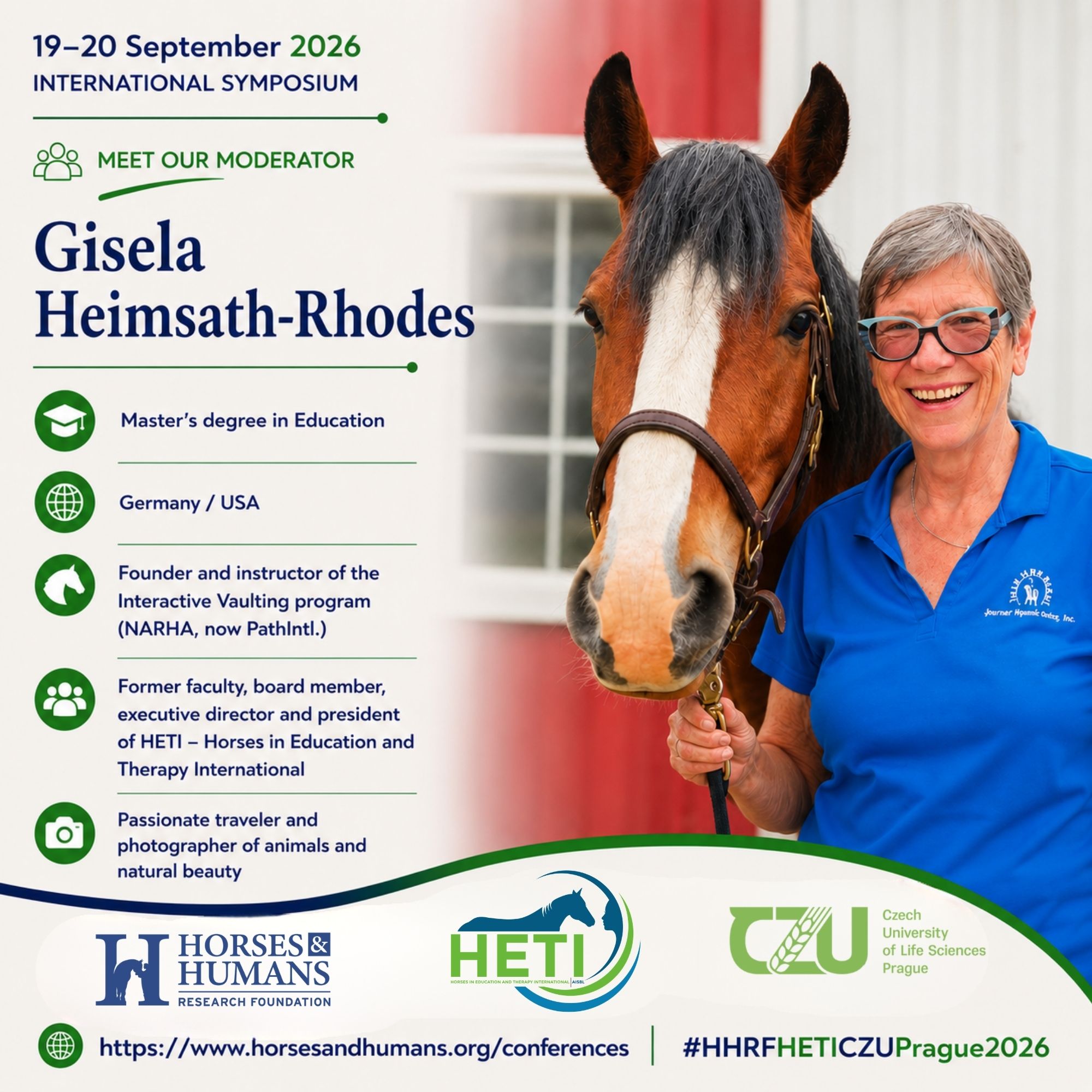
Gisela Heimsath-Rhodes, a native German, decided to see a bit of the world after she finished her Master’s degree in Education.
Shortly after she arrived in the United States she met her future husband Vernon Rhodes in Boston. They moved to a farm near Worcester, MA and converted it to a boarding stable and a therapeutic riding center. Combining her lifelong passion for horses with her teaching skills she initiated and taught the Interactive Vaulting program for the North American Handicapped Riding Association (NARHA), now PathIntl.
When the aging school horses were looking at semi-retirement, the move to Newcastle , ME turned out to be perfect. The horses enjoyed the vast pastures and the freedom to roam.
Eventually Gisela became involved with the international organization HETI – Horses in Education and Therapy International - as faculty, board member, executive director and president.
She has never lost her passion for travel, exploring many countries as both a teacher and a learner before eventually settling back in Germany in semi-retirement.
Her favorite pastime is photographing animals and the natural beauty of Midcoast Maine and the many places her travels lead her.
Markéta Píšová, PhD, is a special needs educator, equine professional, and lecturer with extensive experience in Equine Facilitated Services. She teaches animal science and veterinary subjects at the College of Veterinary Disciplines in Hradec Králové and combines her academic work with practical experience supporting children and adults through Equine Facilitated Learning.
Markéta holds degrees in animal science, horse breeding, and special needs education, as well as a PhD in animal reproduction. Her work focuses on equine-assisted interventions, horse training, adapted vaulting, and the preparation of therapy equines. She has completed specialised training in Equine Facilitated Learning, therapy equine preparation, and psychotherapy, and has participated in several international educational projects.
Alongside her teaching and clinical practice, Markéta is an active rider, trainer, and long-standing member of the Czech Welsh Pony and Cob Society breeding committee. Her professional interests combine equine welfare, education, and evidence-based Equine Assisted Services.
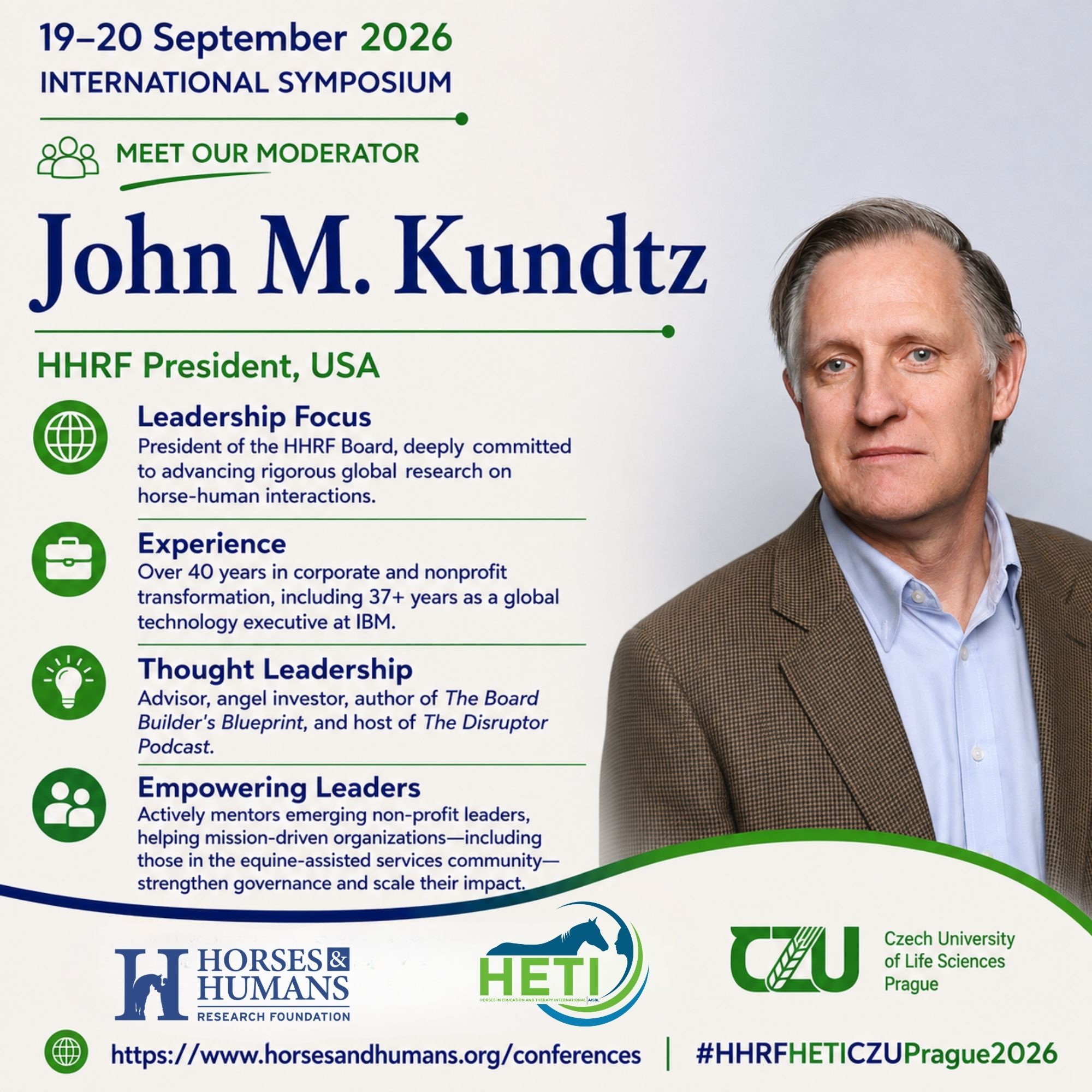
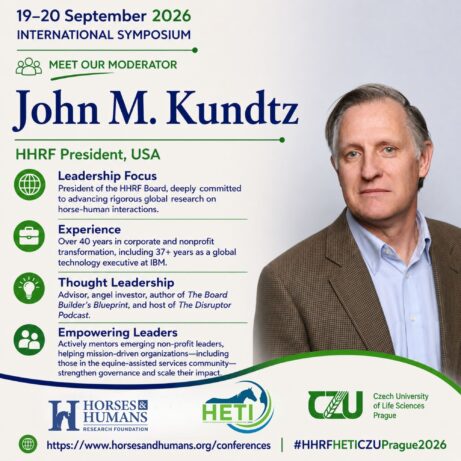
John M. Kundtz is the President of the Board of Directors of the Horses and Humans Research Foundation (HHRF) and is serving as the moderator for both the "Hot Topics" and "Horse and Human Interaction" panels at the Prague Symposium.
Drawing on over 40 years of corporate and nonprofit transformation experience, including more than 37 years as a global technology sales and consulting executive at IBM, John brings experienced leadership and a strategic mindset to the nonprofit sector.
His role at HHRF builds upon a long-standing commitment to the equine-assisted services community; his previous board service includes service on the boards of Fieldstone Farm Therapeutic Riding Center and Three Corner Round Pack Outfitters. As a passionate advocate for rigorous scientific research, John is dedicated to advancing global knowledge of horse-human interactions and their life-changing impact on the health and well-being of both humans and equines.
Beyond his work with HHRF, John helps mission-driven organizations unlock their potential by pairing design thinking with customer-centric problem-solving. He mentors leaders through Business Advisers of Cleveland, hosts The Disruptor Podcast, and is the author of The Board Builder's Blueprint and The Five-Step Nonprofit Strategy Blueprint.
John earned his Bachelor of Science in Geology from Denison University and later pursued further post-graduate studies at the University of Cincinnati.
An Eagle Scout with a love for the High Sierra and the Himalayas, he enjoys traveling the world, trekking, live music, MLB baseball, and cataloging craft beer.
Dr. Beth Macauley is an Associate Professor in the Department of Communication Sciences and Disorders at Grand Valley State University in Michigan, USA. She earned her BA, MA, and PhD in Communication Sciences and Disorders from the University of Florida and has dedicated more than 30 years to clinical practice, teaching, and research in speech-language pathology.
Dr. Macauley is internationally recognised for her expertise in integrating equines into speech-language pathology services. She holds the Hippotherapy Clinical Specialist (HPCS) certification and was honoured with the American Hippotherapy Association’s Therapist of the Year Award in 2026.
Her work focuses on neurogenic communication disorders and the application of Equine Assisted Therapy within speech-language pathology. Through her research, teaching, and clinical practice, she has helped advance understanding of how equine movement, interaction, and the therapeutic environment can support communication outcomes across a range of client populations.
In addition to her university role, Dr. Macauley serves as faculty for Svítání Academy of Equine Assisted Services, contributing to the education of practitioners around the world.
Dr. Emily Kieson, PhD, MS, PgDip is Executive Director of Equine International, a US-based nonprofit organisation dedicated to research, education, and outreach in equine behaviour, welfare, and equine–human interactions. With a background in comparative psychology, psychology, and equine science, her work brings together behavioural science and practical applications for equine management and Equine Assisted Services.
Her research focuses on equine behavioural psychology, equine welfare, and horse–human interactions. More recently, she has been investigating equine affiliative behaviours to better understand how equines form and maintain social bonds, and how these behaviours may serve as indicators of positive welfare in both domestic management and Equine Assisted Services.
Emily is also passionate about developing sustainable systems of equine management that support both the physical and psychological well-being of equines while promoting healthy ecosystems. In addition to her research, she teaches university courses in psychology, animal–human interactions, animal-assisted interventions, animal behaviour and training, and animal welfare and ethics.
She previously served as Chair of the PATH International Equine Welfare Committee and continues to contribute to advancing evidence-based approaches to equine welfare and human–equine interactions.
Jo Anne Miller is the Executive Director of Brook Hill Farm, a fully accredited equine rescue recognised by the Global Federation of Animal Sanctuaries and the Thoroughbred Aftercare Alliance, as well as a PATH International Premier Accredited Therapeutic Riding Centre. Under her leadership, rescued equines play a central role in programmes that support both human and equine well-being.
A retired Professor of Equine Science at Randolph College, Jo Anne is a published researcher and author whose work has appeared in the HETI Journal, PATH International Strides, Thoroughbred Aftercare Alliance Magazine, Horse Illustrated, and other leading publications. She also co-developed the Equine Curriculum for the Commonwealth of Virginia.
A passionate advocate for evidence-based equine welfare, Jo Anne has held numerous leadership positions within national and international organisations. She currently serves as Chair of the Equus Foundation’s Equine Welfare Advisory Group, sits on the Board of the Horses and Humans Research Foundation (HHRF), and co-chairs the HHRF Well-Being Committee. She previously served as Co-Chair of the PATH International Equine Welfare Committee and as a member of the HETI Equine Welfare Committee.
Jo Anne regularly presents nationally and internationally on equine welfare and the science of human–equine interactions, helping to advance best practice across the Equine Assisted Services sector.
Organisation committee
Scientific committee