ON-SITE AND HANDS-ON COURSE, FOCUSED ON EARLY PEDIATRIC CARE IN EAT
Equine Assisted Physiotherapy for Toddlers and Infants – Finland
Specialist training in Equine Assisted Early Intervention
Our Equine Assisted Early Intervention course in Oulu, Finland, has now concluded, but this specialist professional training continues internationally.
The course is available on demand for professional groups, organisations and Equine Assisted Services centres wishing to develop advanced clinical skills in Equine Assisted Physiotherapy with infants and toddlers.
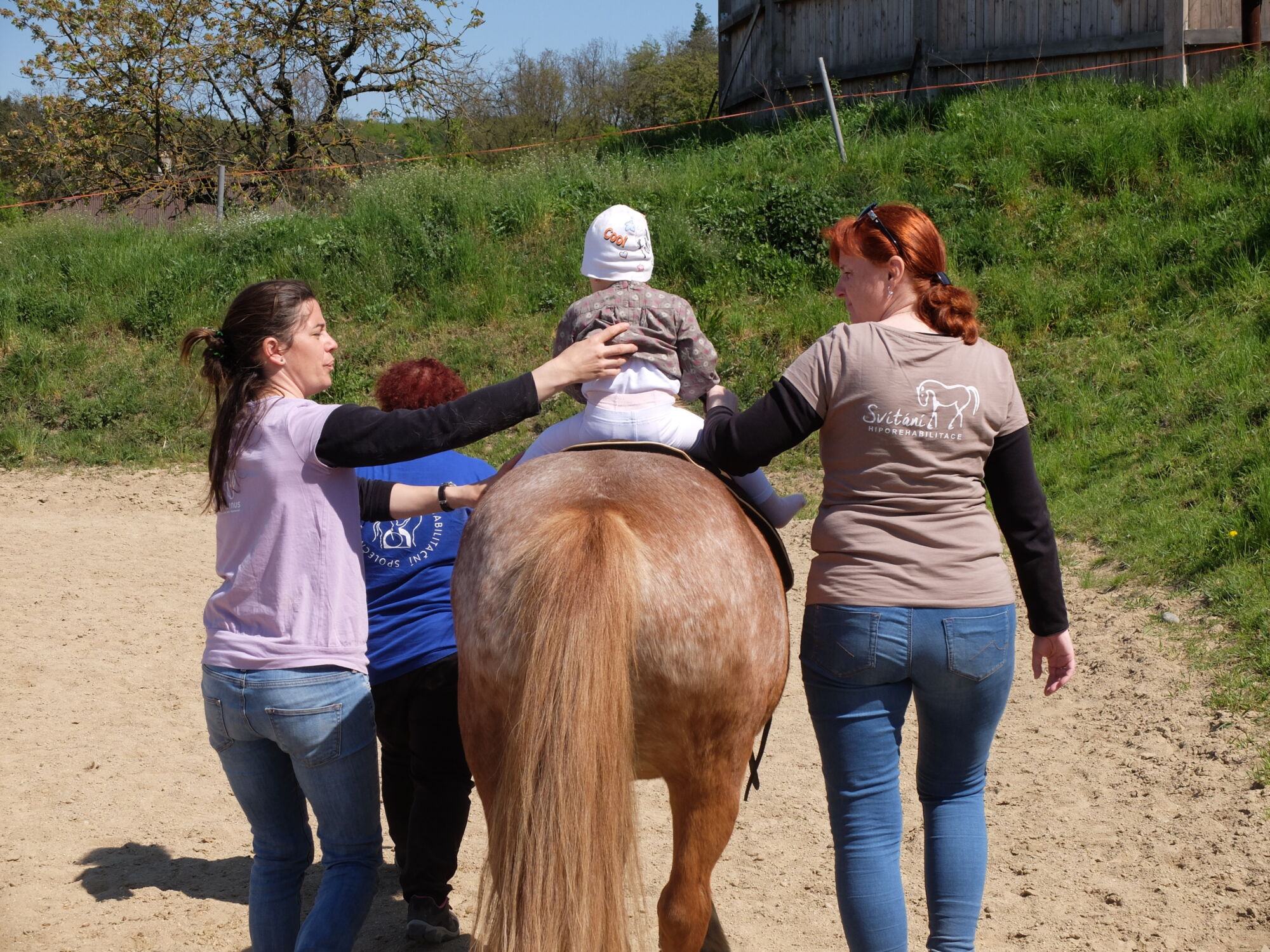
The programme combines specialist theory with intensive hands-on practice, including assessment, clinical decision-making, selection of equine movement, positioning, treatment planning and supervised practical work with young children.
Would you like to attend or host this course?
The current Equine Assisted Physiotherapy for Toddlers and Infants programme can be organised in different countries according to demand.
If you are interested in attending a future course, bringing the programme to Finland, or hosting it in your own country or organisation, explore the current programme and contact us for requirements and possibilities.
Previous Equine Assisted Early Intervention Course – Oulu, Finland 2025
The information, photographs and participant feedback below relate to our previous specialist course held in Oulu, Finland, in May 2025. We are keeping this material available to provide insight into the programme's clinical focus, practical learning, and professional experience.
What did therapists learnt?
-
Assessment Skills: Learn how to assess psycho-motor development and identify pathophysiological conditions in young children.
-
Client Evaluation: Develop proficiency in evaluating children for Equine Assisted Physiotherapy, ensuring a personalised and effective therapeutic approach.
-
Progress Monitoring: Gain the skills to effectively monitor child's progress throughout the therapy process.
-
Therapy Planning and Execution: Master the ability to plan and conduct professional, safe, and engaging therapy sessions. This includes:
-
Thoughtfully matching the child with the most suitable equine movement to optimise therapeutic outcomes.
-
Applying various positions for the child on the equine, incorporating necessary adjustments and using specialised aids to ensure safety and effectiveness.
-
Strategically determining the duration and intensity of each session to meet the specific needs of each child.
-
Selecting appropriate terrain to support therapeutic goals and enhance the overall experience.
-
-
Impactful Therapy Delivery: Learn to provide tailored Equine Assisted Physiotherapy that positively influences the psychomotor development of infants and toddlers, laying a strong foundation for their future growth.
Course lecturers

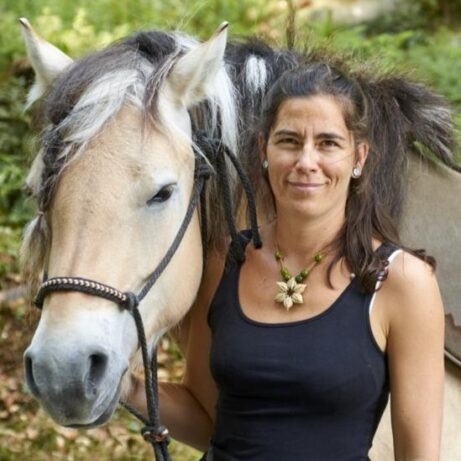
Věra Lantelme-Faisan, MSc
Physiotherapist, Equine Assisted Therapy Clinical Specialist
Věra has extensive experience in paediatric rehabilitation (since 1999) and has completed several specialized courses – Hippotherapy (under the Czech Equine Facilitated Therapy Association - CEFTA and American Hippotherapy Association), Vojta method, CranioSacral Therapy, etc.
She focuses on Equine Assisted Physiotherapy (EAT)/Hippotherapy services for children from 3 months of age with a wide range of diagnoses.
Vera, serving as the Chair of Svitani and President of HETI, brings unparalleled expertise and leadership to this course. Her extensive experience in Equine Assisted Therapy, combined with her influential roles, ensures that participants receive top-tier training grounded in global standards and best practices.
Tereza Honců, MSc
Physiotherapist, Equine Assisted Therapy Clinical Specialist
Tereza has over 20 years of experience in hippotherapy, focusing on early intervention for children with various health conditions. She studied physiotherapy at the Charles University in Prague, where her thesis highlighted the benefits of intensive hippotherapy for children with central nervous system disorders.
Since 2008, she has been the Chair and the head physiotherapist at the EAAT centre Caballinus.
Tereza has completed specialised courses in Hippotherapy, Vojta method, and Visceral Therapy, and has extensive experience in paediatrics.
She also lectures and trains future specialists at several universities, including the Czech Equine Facilitated Therapy Association (CEFTA).
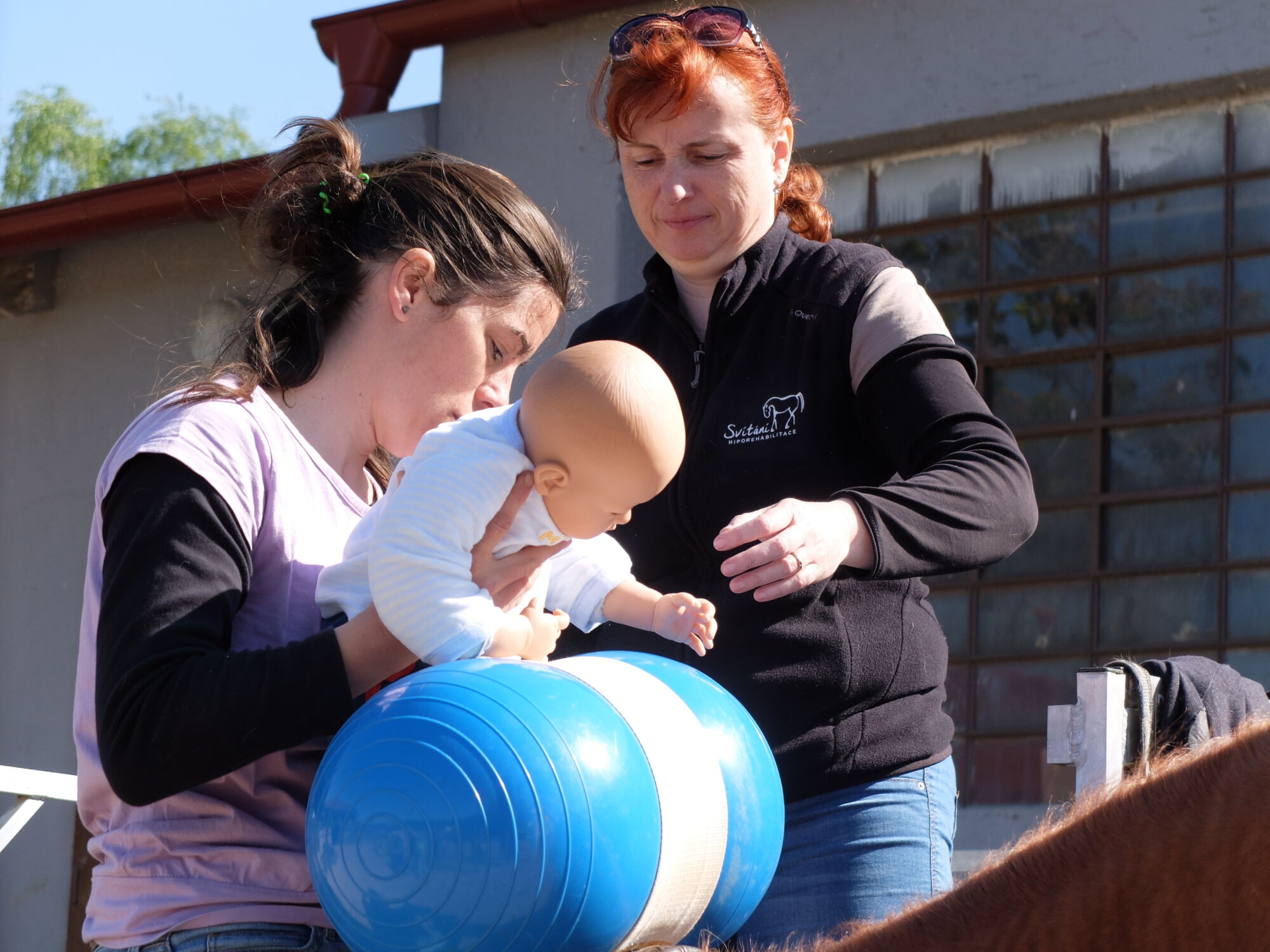
Vera and Tereza have been teaching this unique course since 2016, drawing on over 20 years of hands-on experience in Equine Assisted Early Intervention in the Czech Republic. Their deep knowledge and practical expertise in this specialised therapy approach have contributed to outstanding outcomes for children with various health conditions.
What sets this course apart is its foundation in decades of successful practice, combined with a commitment to early intervention and tailored therapeutic strategies. Vera and Tereza’s approach is rooted in real-world applications, ensuring that participants gain not only theoretical insights but also practical skills that are immediately applicable.
This course is a rare opportunity to learn directly from seasoned professionals who have dedicated their careers to advancing the field of Equine Assisted Physiotherapy, making it a truly invaluable experience for anyone looking to specialise in this area.
Testimonials
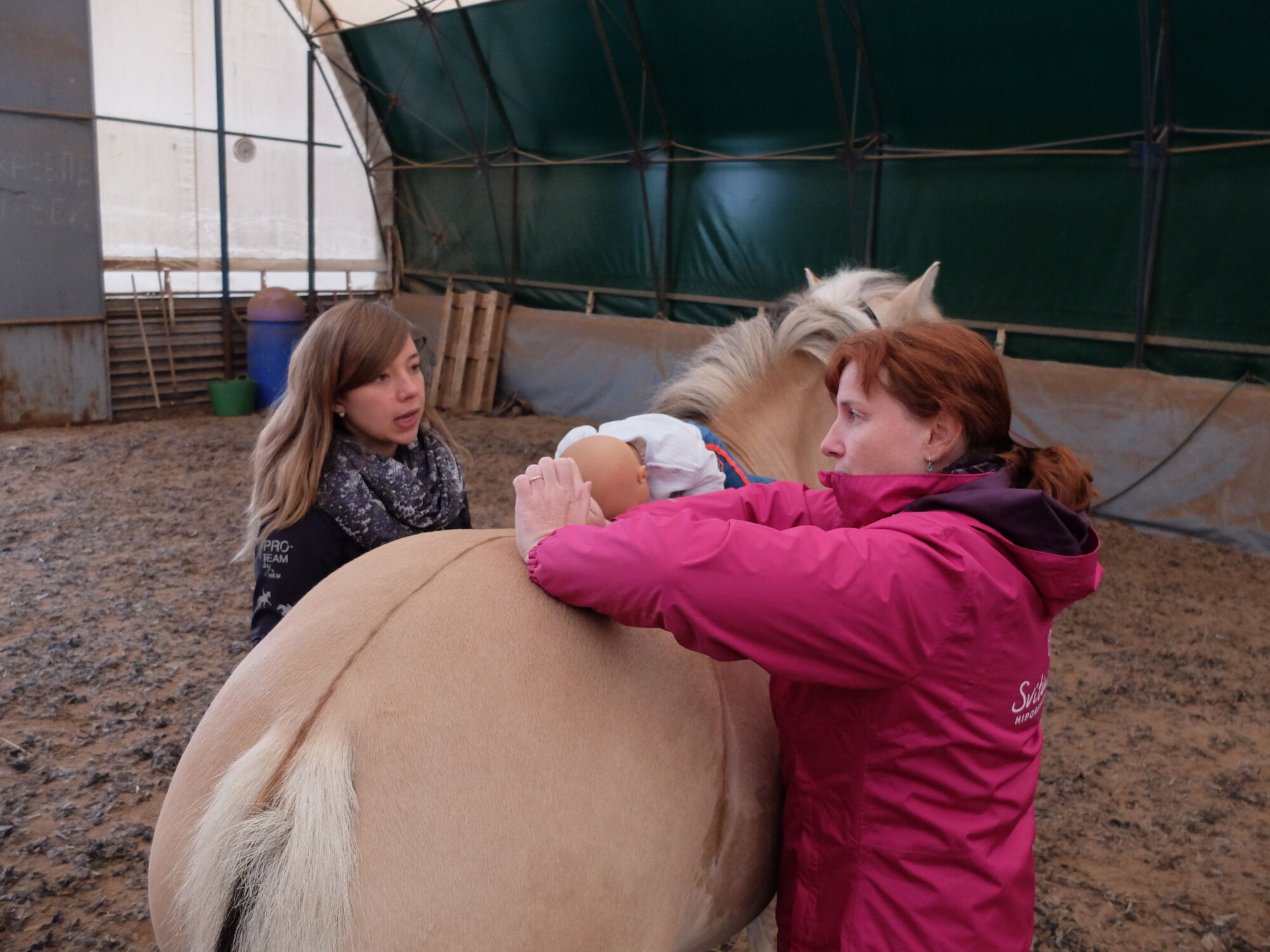
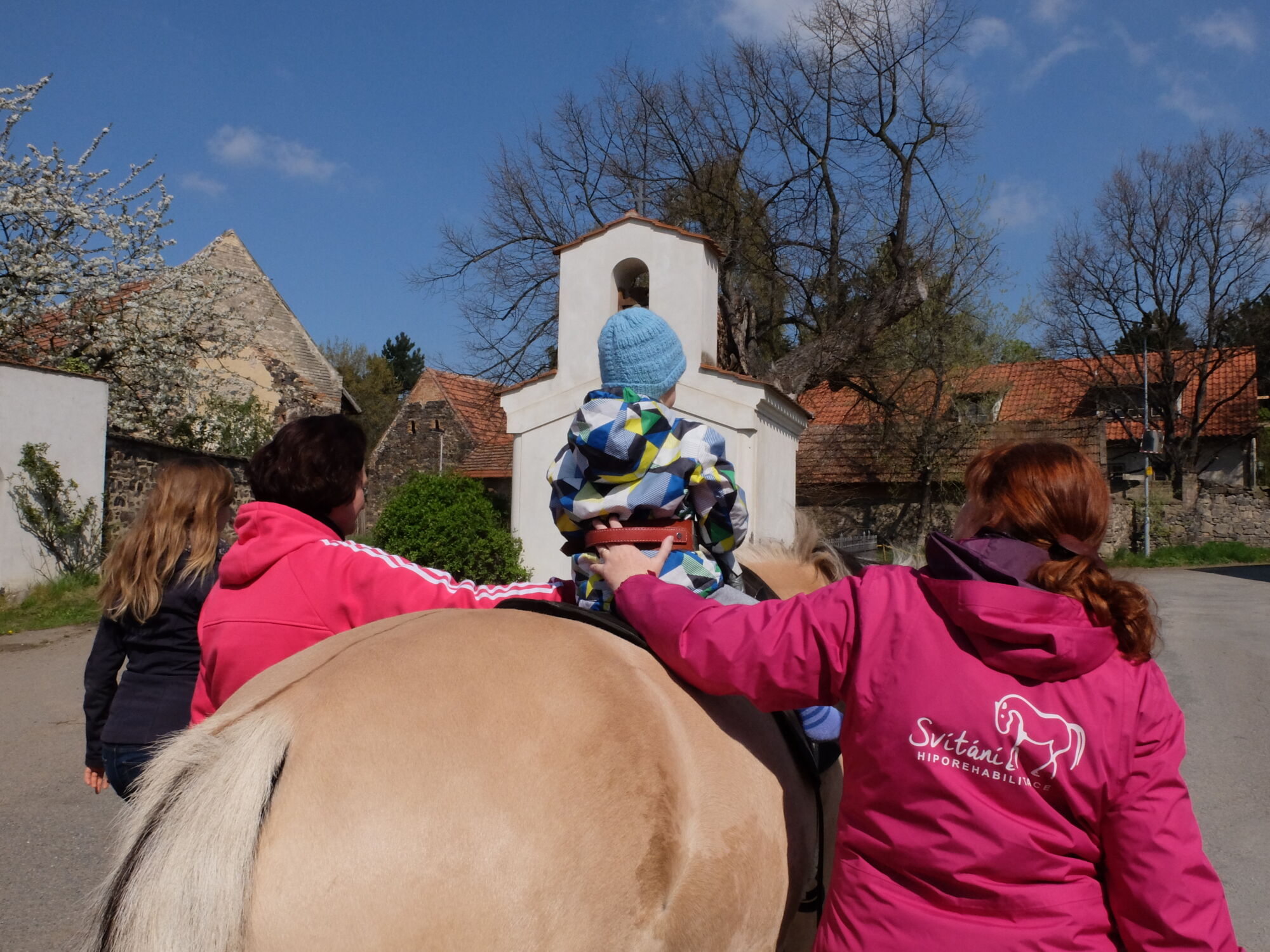
This course is meticulously designed to provide participants with both the theoretical knowledge and hands-on skills essential for performing Equine Assisted Physiotherapy with children aged 3 months to 3 years.
Gained competency
- Assessment Skills: Ability to evaluate psycho-motor development and identify pathophysiological conditions in infants and toddlers.
- Client Evaluation: Proficiency in assessing infants and toddlers for suitability in Equine Assisted Physiotherapy.
- Therapy Planning: Competence in designing tailored Equine Assisted Physiotherapy sessions, including selecting the appropriate equine partner, positioning techniques, and session structure.
- Safety and Adjustment Techniques: Expertise in ensuring the child's safety and therapy efficiency by making necessary adjustments, utilising various aids, and maintaining proper positioning on the equine.
- Session Management: Skill in determining the appropriate duration, intensity, and terrain for each therapy session to meet individual therapeutic goals.
- Equine Selection: Knowledge in selecting and matching the most suitable equine for each child based on therapeutic needs.
- Ethical Practice: Understanding of ethical considerations and best practices in providing Equine Assisted Physiotherapy to young children.
- Communication: Ability to effectively communicate with children, caregivers, and the therapy team to enhance the therapeutic process.
How does the course work?
Our Equine Assisted Physiotherapy course for toddlers and infants is an intensive on-site, hands-on training programme delivered over five consecutive days (40 educational hours, each lasting 45 minutes). The course blends comprehensive theoretical instruction with extensive practical experience under expert supervision.
In addition, participants are required to complete 10 hours of e-learning prior to the on-site training, followed by 10 hours dedicated to independent practice and case study preparation.
Course Structure:
- Entry Requirements: Participants must be qualified physical or occupational therapists, or speech-language pathologists, with a recognised hippotherapy/EAT course and a minimum of 200 hours of EAT practice. Experience in pediatric rehabilitation or training in Baby Bobath, Vojta method, or NDT is beneficial.
- Theoretical Learning: Engage in comprehensive sessions covering psycho-motor development, pathophysiology, and the specific therapeutic needs of infants and toddlers.
- Practical Training: Apply your knowledge through hands-on practice with equines and children, guided by experienced professionals.
- Certification: Earn your certification by completing the practical part, submitting a case study, and passing an online multicoice exam following the practical component.
ENHANCE YOUR CREDENTIALS AND EXPAND YOUR PROFESSIONAL CAPABILITIES IN PEDIATRIC REHABILITATION