
EAT Technique II: Using the Equine's Movement Potential
This chapter focuses on how modifying an equine's speed, stride, surface, and terrain affects the therapeutic impact of EAT. It explains how therapists can adjust these factors to tailor the client's sensory and motor experiences, helping them develop balance, coordination, and postural control. The chapter also discusses the importance of choosing the right surface and terrain to match the client's needs and therapeutic goals.
English subtitles
Multilingual subtitles on Youtube
An equine's rhythmic and regular gait is fundamental in creating a consistent and predictable therapeutic effect for the client in EAT. This movement aims to stimulate a specific motor response in the client, teaching them to develop and refine a motor programme within the scope of motor instruction. A well-chosen and adequately trained equine carries the client on a relaxed back, allowing the movement impulses generated by the equine's stride to act on the client's body. These impulses are shaped by the equine's gait and how it is handled, which directly influences the movement of the equine's back.
Each equine has a unique rhythm and pace, making the experience of sitting or lying on its back feel smooth and easy or more challenging. The equine's gait provides sensory input through movement, which varies depending on how the equine moves. Once the client has mastered the correct sitting position on a walking equine, the therapist can increase the session's difficulty by modifying several aspects of the ride, such as speed, surface, and terrain.
Review Chapter 23 from the Core Principles of EAS about Equine Movement.
Modifying the Speed and Stride
The therapist can influence the demands of the therapy session by altering the equine's speed and the characteristics of its stride. This can be achieved by asking the equine leader to adjust the following:
- Spaciousness refers to the distance between toe-off and toe-down strikes during each step (step/stride length). A longer stride generates more pronounced motion impulses, encouraging more significant movement in the client's pelvis and torso.
- Cadence is the number of steps the equine takes per minute. A higher number can create a quicker succession of movement impulses, challenging the client to respond more rapidly.
- Speed: Speed refers to the distance the equine covers over a given period. Speed changes influence the intensity of the movement felt by the client. A slower pace provides more stability, while a faster pace can increase the challenge, requiring the client to engage more muscles to maintain balance.
By adjusting these factors, the therapist can fine-tune the client's movement experience, making the session more stimulating or calming, depending on the therapeutic goals.
Change of Direction
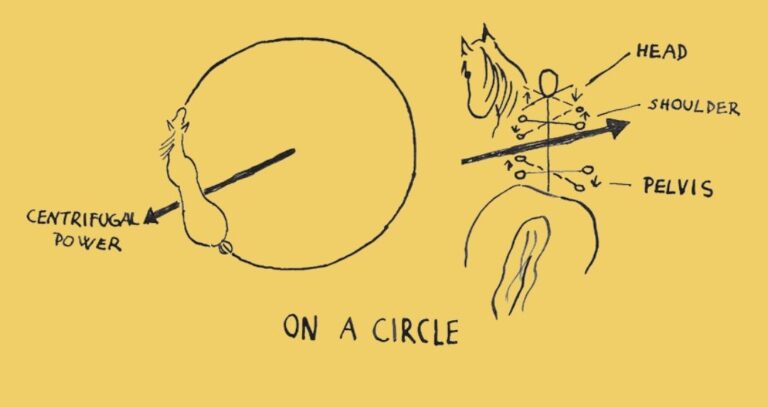
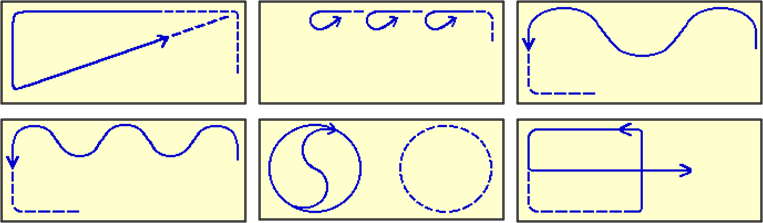
The movement of the equine’s back also differs when it changes direction, whether turning, walking in curves, or moving in a wave-like motion. Walking in a straight line generally produces symmetrical motion impulses, often used in EAT for their predictable and balanced effect. However, directed changes in movement, such as making circles or figure eights, can increase the intensity of the therapy. These changes in direction require the client to adjust their body in response, challenging their balance and coordination.
The therapist can ask the equine leader to create patterns, such as wavy lines or circles, to introduce more complexity into the session. These changes effectively target specific therapeutic outcomes, whether improving postural stability or enhancing the client’s ability to respond to dynamic movement.
Influence of Terrain
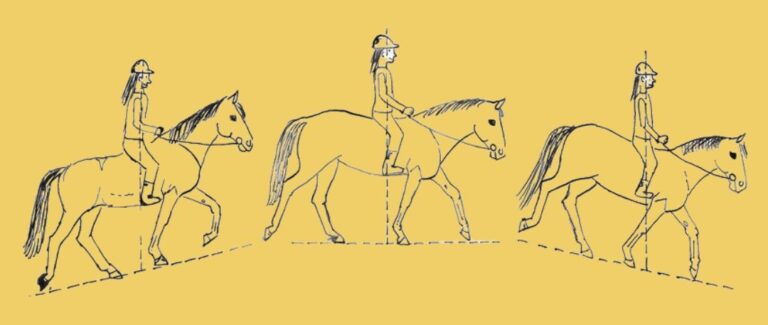
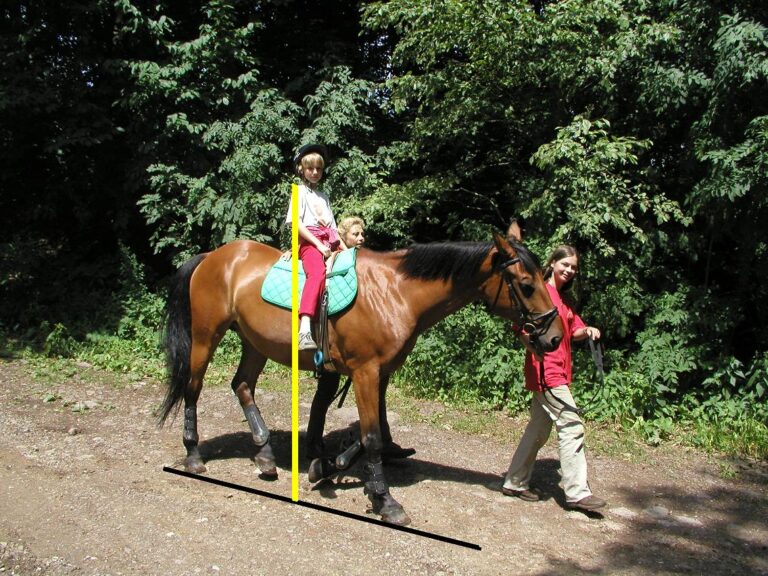
Terrain variation can profoundly affect the movement of impulses transmitted from the equine to the client. The equine moves differently depending on whether it is walking uphill, downhill, or on flat ground. Understanding these natural movement laws allows the therapist to choose the suitable terrain to achieve specific therapeutic goals. For instance, walking uphill may encourage the client to engage their core muscles, while walking downhill may require greater balance and stability.
Terrain changes can also add complexity to the therapy session, providing opportunities for clients to work on equilibrium and postural control as the equine navigates different slopes.
Practical Examples
Consider the video showing the same healthy rider riding at different speeds for illustrative purposes. Initially, the equine moves slowly, allowing the "client" to experience gentle movement impulses. Later, the equine moves faster, creating quicker and more intense impulses. If this client has a movement disorder, the therapist must carefully adjust the pace to ensure the client can manage the movement without becoming overwhelmed. Ultimately, the rider demonstrates what happens when a client becomes frightened and tightly grips the horse's mane or handles.
Below are 5 videos of 5 different horses from the EAS centre Ryzacek, z.s., each with the same (healthy) rider and same leader. The horses walk on different surfaces, in various directions, and at different speeds. Watch the videos and observe how the rider responds to each horse. Pay attention to the movement of the pelvis, legs, shoulders, and head position.
In this video, the rider is asked to perform an "exercise." Observe the muscle tone, the reaction of the legs, and if the pelvic movement is compromised during the activity.
You do not have access to this member section
Get accessEAPT 1 Therapeutic Impact of EAT
You do not have access to this member section
Get accessEAPT 2 Application of Developmental Kinesiology in EAT
You do not have access to this member section
Get accessEAPT 3 EAT Techniques I - Choosing an Equine
You do not have access to this member section
Get accessEAPT 4 EAT techniques II - Using the Equine's Movement Potential
You do not have access to this member section
Get accessEAPT 5 EAT techniques III - Choosing the therapy position
You do not have access to this member section
Get accessEAPT 6 EAT techniques IV - Correction of the therapy positions and use of equiment
You do not have access to this member section
Get accessEAPT 7 Practical examples of using the techniques
You do not have access to this member section
Get accessEAPT 8 Equine Movement in EAT
You do not have access to this member section
Get accessEAPT 9 Precautions, Risks, Indication and Contraindications in EAS
You do not have access to this member section
Get accessEAPT 10 Safety in Equine Assisted Services
You do not have access to this member section
Get accessEAPT 11 Securing the participants in EAS
You do not have access to this member section
Get accessEAPT 12 EAS treatment session procedure and mounting

You do not have access to this member section
Get access