Equine as Sentient Partner in Therapy | Ethics & Respect
In Equine Assisted Services, the role of the equine is often described too simply. The equine is sometimes spoken of as a “technique,” a “resource,” or even a “tool” used to achieve human outcomes. While this language may be unintentional, it reflects a way of thinking that is fundamentally at odds with ethical and professional EAS practice.
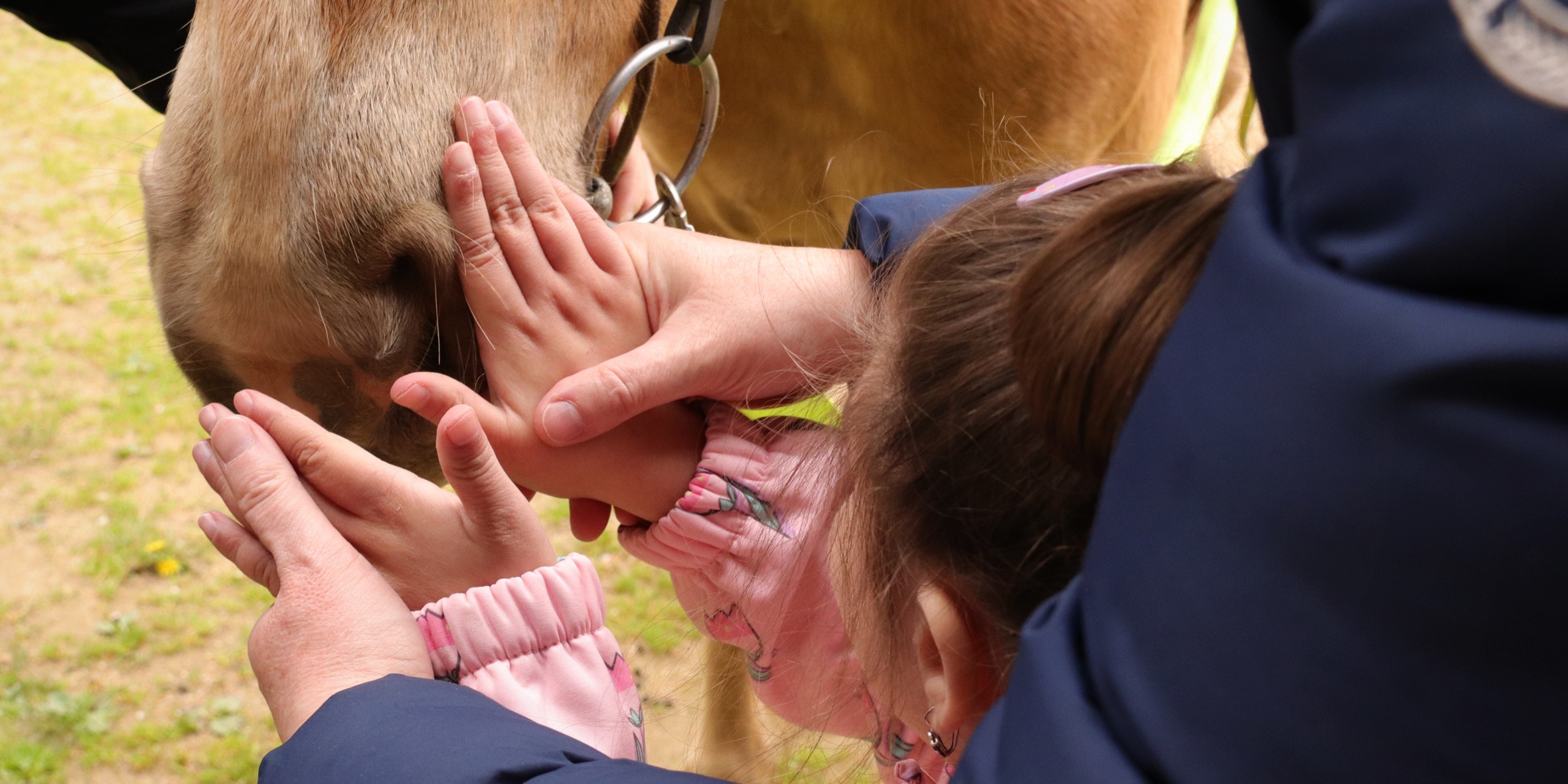
An equine involved in Equine Assisted Services is not an instrument. It is a living being with its own physical limits, emotional states, learning capacity, and preferences. Recognising the equine as a partner rather than a tool is not a philosophical luxury; it is a professional necessity. Without this perspective, both the quality of the service and equine welfare are compromised.
In professional EAS practice, the equine contributes to the process through movement, presence, responsiveness, and interaction. These elements are not static or guaranteed. They depend on the equine’s well-being, training, environment, and the way the session is structured. The practitioner’s role is therefore not to “use” the equine, but to facilitate conditions in which meaningful and ethical interaction can take place.
Recognising the equine as a partner rather than a tool is not a philosophical luxury; it is a professional necessity.
Seeing the equine as a sentient being changes how decisions are made. Equine selection, workload, session duration, progression, and rest are not secondary considerations; they are central clinical and ethical decisions. An equine that is physically uncomfortable, mentally overloaded, or emotionally stressed cannot support safe and effective Equine Assisted Services, regardless of human intentions.
This perspective also invites humility. Equines communicate continuously through posture, movement, behaviour, and subtle signals. Professional practice requires the ability to observe, interpret, and respond to these signals, sometimes by adapting or even stopping a session. Respecting the equine’s communication is part of responsible practice and a clear marker of professionalism in the field.
When the equine is understood as a partner, Equine Assisted Services becomes a relationship-based practice rather than a technique-driven one. This approach supports safety, sustainability, and ethical integrity. It also models respect and responsibility — values that are fundamental to Equine Assisted Services, regardless of the specific context or population served.
If you are curious to learn more about Equine Assisted Services and how they are understood and practised today, you can explore further information here:
https://hipoterapie-kurzy.com/eas/
Vera’s EAS Lens is a space where I share my professional reflections, clinical reasoning, and international experience in Equine Assisted Therapy and Services. Drawing on many years of practice, education, and collaboration across countries and disciplines, I look at EAS through an expert, critical, and ethical lens. This blog is written for professionals, students, and organisations who wish to understand EAS beyond trends and enthusiasm, and to anchor their work in quality, responsibility, and meaningful practice.
Follow my blog on FB, Ins and LinkedIn #VeraEASLens

Enjoyed this article? Download our free e‑book “10 Essential Insights into Equine Assisted Services” and discover practical tips you can start using today.
Would you like more inspiration, ideas, and professional insights? Join our Svítání newsletter and never miss an article, event, or course update.
Curious to deepen your knowledge in Equine Assisted Services? Explore our courses designed by experienced practitioners and start your learning journey with Svítání today.
 The Silent Load: Why Therapy Equines Shouldn’t Be Called Therapists
In modern discourse, it’s all too easy to conflate our Equine Assisted…
 Enthusiastic but not yet qualified
Can enthusiasm replace training in Equine Assisted Therapy? A professional reflection on…
 What I Wish I Had Known Before Working in Equine Assisted Services
What should you know before working in Equine Assisted Services? Vera Lantelme-Faisan…