What Makes Equine Assisted Therapy Clinical | Evidence & Practice
Equine Assisted Therapy is sometimes described as “alternative,” “complementary,” or simply as an activity that happens to feel therapeutic. While such descriptions may be well-intended, they miss what truly defines Equine Assisted Therapy as a clinical intervention. The clinical nature of this work does not come from the presence of an equine, but from the professional framework that shapes every decision within the session.
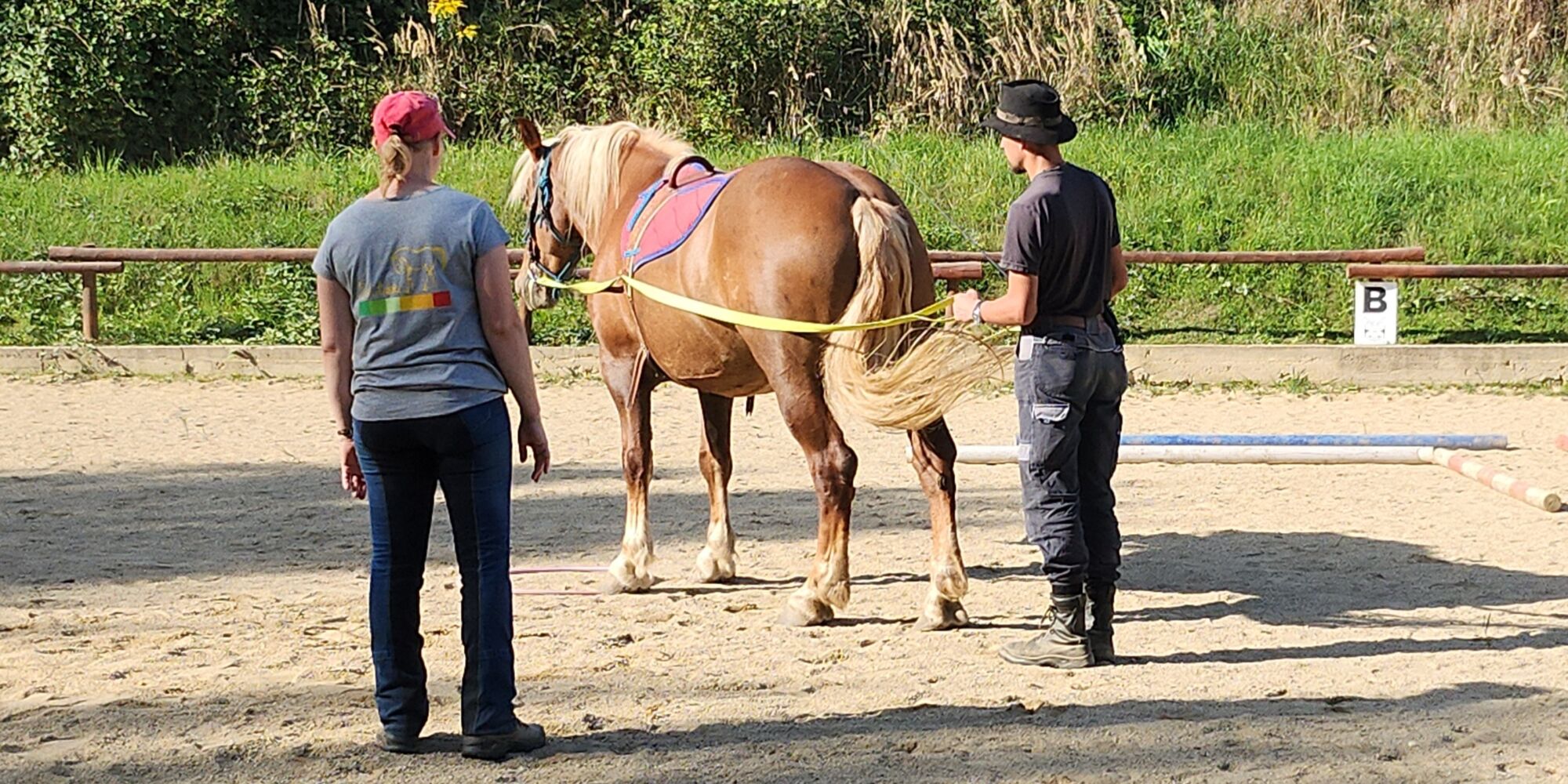
A clinical intervention begins with assessment. In Equine Assisted Therapy, this means understanding the client’s functional needs, abilities, limitations, and goals before any work with the equine takes place. The intervention is then designed intentionally, based on clinical reasoning, not on general assumptions about what “usually helps.” This process distinguishes therapy from supportive or recreational equine activities.
Another defining feature of a clinical intervention is goal orientation. Therapeutic goals in Equine Assisted Therapy are specific, relevant, and linked to health, development, participation, or function. They guide the selection of the equine, the environment, the structure of the session, and the progression over time. Without clearly defined goals, it becomes impossible to evaluate whether the intervention is appropriate or effective.
The clinical nature of this work does not come from the presence of an equine, but from the professional framework that shapes every decision within the session.
Professional accountability is equally essential. Clinical Equine Assisted Therapy requires practitioners who are trained to make informed decisions, adapt interventions, and recognise contraindications or limits. This includes responsibility for the client’s safety, the equine’s welfare, and the ethical boundaries of the work. A clinical intervention is not defined by enthusiasm or intuition alone, but by responsibility for outcomes and processes.
Evaluation and reflection are also central to clinical practice. Equine Assisted Therapy involves ongoing observation, documentation, and adjustment based on the client’s response and the equine’s condition. Progress may be gradual and non-linear, but it must be monitored and reflected upon. This reflective process allows therapy to remain responsive rather than routine.
Understanding Equine Assisted Therapy as a clinical intervention does not reduce its relational or experiential nature. On the contrary, it gives structure and meaning to those elements. Clinical thinking provides the framework within which the therapeutic relationship, the equine’s contribution, and the client’s experience can safely and effectively unfold.
Věra’s EAS Lens is a space where I share my professional reflections, clinical reasoning, and international experience in Equine Assisted Therapy and Services. Drawing on many years of practice, education, and collaboration across countries and disciplines, I look at EAS through an expert, critical, and ethical lens. This blog is written for professionals, students, and organisations who wish to understand EAS beyond trends and enthusiasm, and to anchor their work in quality, responsibility, and meaningful practice.
Follow my blog on FB, Ins and LinkedIn #VeraEASLens

Enjoyed this article? Download our free e‑book “10 Essential Insights into Equine Assisted Services” and discover practical tips you can start using today.
Would you like more inspiration, ideas, and professional insights? Join our Svítání newsletter and never miss an article, event, or course update.
Curious to deepen your knowledge in Equine Assisted Services? Explore our courses designed by experienced practitioners and start your learning journey with Svítání today.
 The Silent Load: Why Therapy Equines Shouldn’t Be Called Therapists
In modern discourse, it’s all too easy to conflate our Equine Assisted…
 Enthusiastic but not yet qualified
Can enthusiasm replace training in Equine Assisted Therapy? A professional reflection on…
 What I Wish I Had Known Before Working in Equine Assisted Services
What should you know before working in Equine Assisted Services? Vera Lantelme-Faisan…