From Riding to Equine Assisted Therapy | Clear Distinctions
In Equine Assisted Services, the question of where riding ends and therapy begins comes up surprisingly often. For many people outside the field, sitting on an equine already looks therapeutic, and the assumption is that “if it helps, it must be therapy.” From a professional perspective, however, this distinction is not a matter of opinion or labels; it is a matter of responsibility, competence, and ethics.
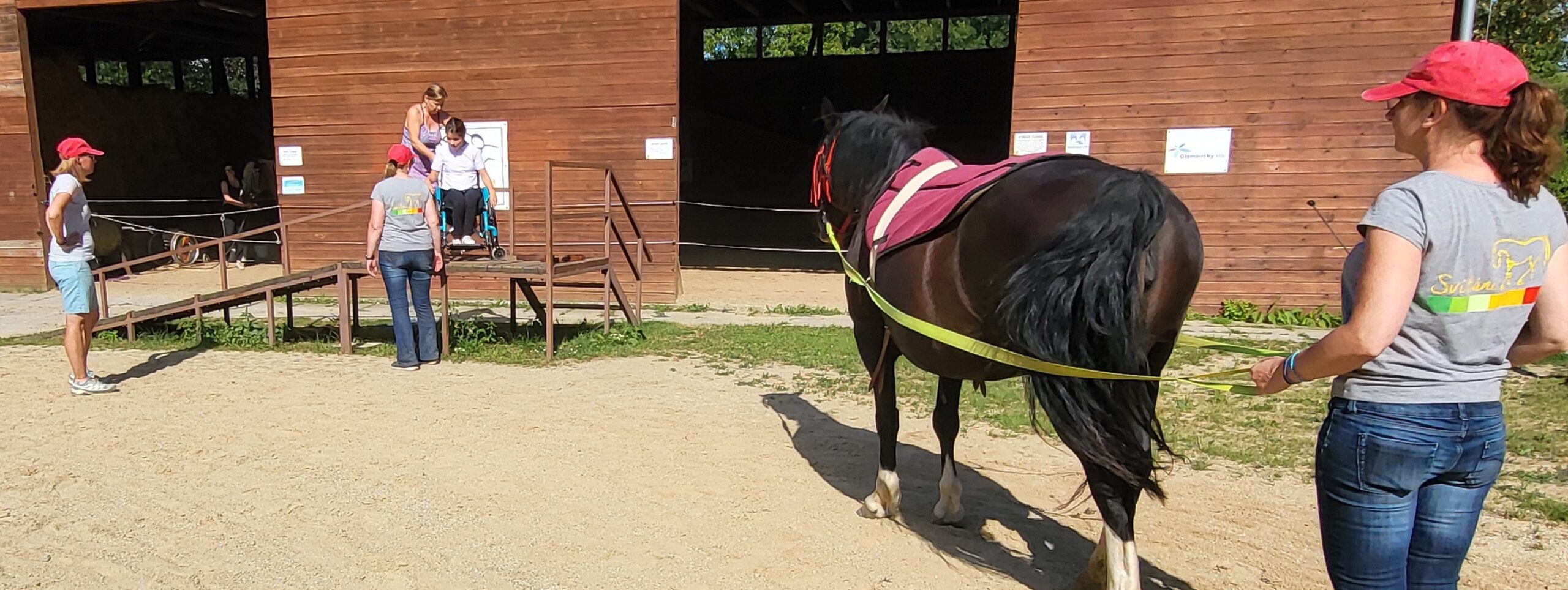
Riding, sport, leisure activities, and education with equines can all be beneficial. They can support confidence, physical fitness, emotional well-being, and social participation. These benefits are real and valuable. However, Equine Assisted Therapy is not defined solely by its positive effects. It is defined by intention, assessment, clinical reasoning, and professional accountability.
The line between riding and therapy is crossed at the moment when the work becomes goal-oriented in relation to a specific health, developmental, or functional need of the client. Equine Assisted Therapy requires an initial assessment, clearly defined therapeutic goals, appropriate selection of the equine and environment, and ongoing evaluation of outcomes. It is not enough that “it seems to help”; the practitioner must be able to explain why a particular approach is used, what it aims to influence, and how progress is monitored.
Equine Assisted Therapy is not defined by positive effects alone; it is defined by intention, assessment, clinical reasoning, and professional accountability.
This distinction matters not only for the client but also for the equine. In therapeutic contexts, decisions about workload, client positioning, interaction, and progression must be made with a deep understanding of both human and equine capacities. Without professional boundaries, equines risk being overloaded or placed in situations that fail to respect their welfare, while clients may receive services that are well-intentioned but inappropriate for their needs.
Clarity also protects the field itself. When all activities involving equines are described as therapy, the meaning of Equine Assisted Therapy becomes diluted. This can lead to unrealistic expectations, misunderstandings with families and institutions, and challenges in cooperation with healthcare and educational systems. Clear differentiation supports trust, transparency, and long-term credibility of Equine Assisted Services.
Recognising the difference between riding and therapy does not mean creating hierarchies or diminishing the value of non-therapeutic equine activities. On the contrary, it allows each approach to be appreciated for what it truly is. Riding, education, and leisure each have an important place. Equine Assisted Therapy has its own professional framework. Respecting these boundaries is a sign of maturity in the field and a foundation for responsible practice.
If you would like to explore Equine Assisted Services further, including clear explanations, professional contexts, and educational pathways, you can find more information here.
Vera’s EAS Lens is a space where I share my professional reflections, clinical reasoning, and international experience in Equine Assisted Therapy and Services. Drawing on many years of practice, education, and collaboration across countries and disciplines, I look at EAS through an expert, critical, and ethical lens. This blog is written for professionals, students, and organisations who wish to understand EAS beyond trends and enthusiasm, and to anchor their work in quality, responsibility, and meaningful practice.

Enjoyed this article? Download our free e‑book “10 Essential Insights into Equine Assisted Services” and discover practical tips you can start using today.
Would you like more inspiration, ideas, and professional insights? Join our Svítání newsletter and never miss an article, event, or course update.
Curious to deepen your knowledge in Equine Assisted Services? Explore our courses designed by experienced practitioners and start your learning journey with Svítání today.
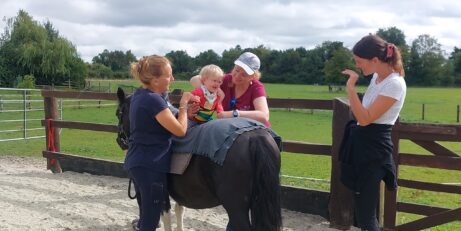 Intensive Equine Assisted Therapy Clinics: Why a Few Days Can Make a Real Difference
Why can intensive Equine Assisted Therapy achieve strong results in a few…
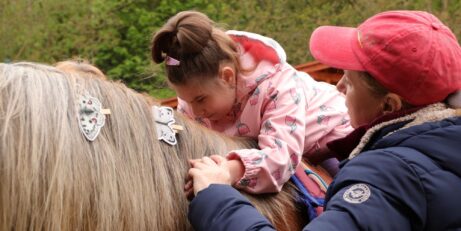 Why I Do Not Use Helmets in My Equine Assisted Physiotherapy Sessions
Are helmets always necessary in Equine Assisted Physiotherapy? A clinical perspective on…
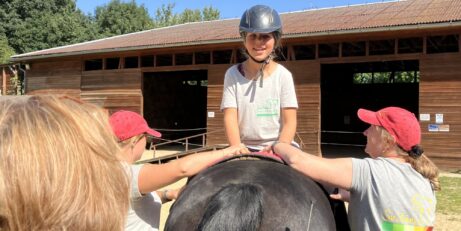 Why Physiotherapists Sometimes Need an Equine
Why can equine movement support physiotherapy? A reflection on how Equine Assisted…