25+ Years in Equine Assisted Therapy | Professional Lessons
When I look back on more than twenty-five years of professional work in Equine Assisted Therapy and Equine Assisted Services, what stands out most is not a single method, technique, or success story. What stands out is how much the field — and my own understanding of it — has evolved over time. Experience has a way of reshaping certainty, replacing simple answers with better questions.
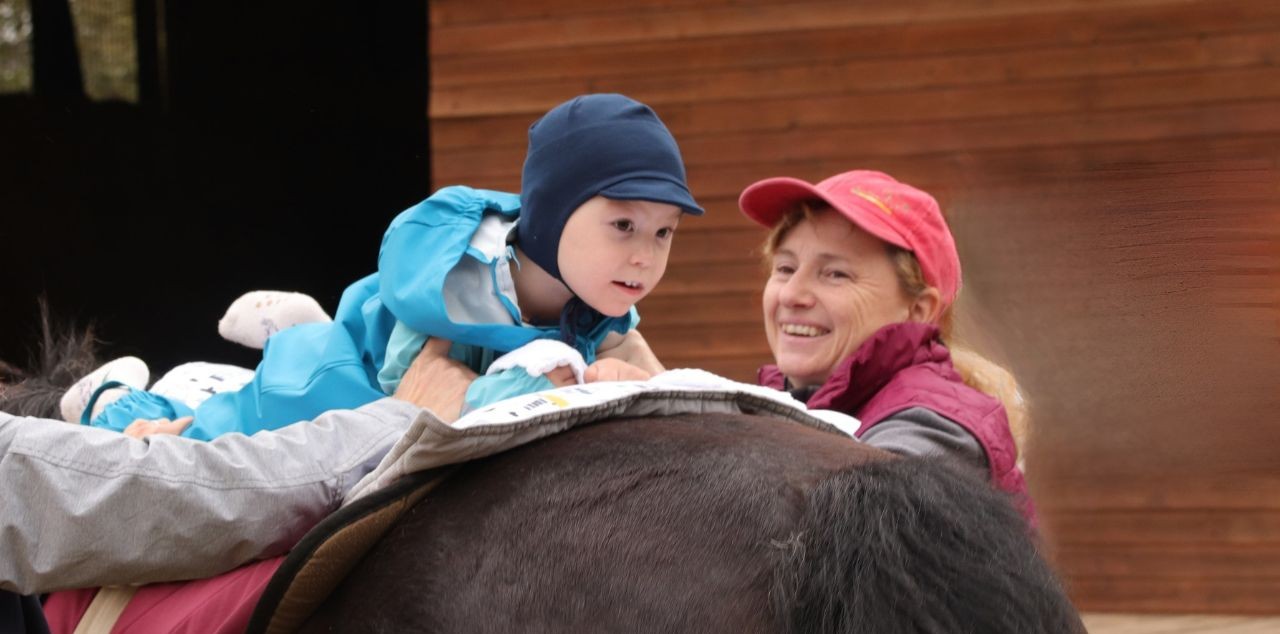
I did not enter this field with the intention of becoming an “expert.” Like many practitioners, I began with curiosity, a love of equines, and a strong clinical background. Over the years, working with children, adults, families, and interdisciplinary teams across different countries, I learned that Equine Assisted Services demand far more than good intentions. They require humility, continuous learning, and the ability to reflect critically on one’s own practice.
One of the most important lessons has been that complexity is unavoidable. Human development, health, and participation are complex, and so are equines. There are no universal solutions, no one-size-fits-all approaches. What works beautifully for one client or one equine may be inappropriate for another. Professional growth in EAS comes from learning to adapt, to observe carefully, and to accept that not every session goes as planned.
Experience does not bring final answers; it brings perspective — and with it, a deeper respect for the work we do.
Another lesson has been the central role of responsibility. With experience comes a deeper awareness of what it means to carry responsibility — for clients, for equines, and for the field itself. Clear boundaries, honest communication, and ethical decision-making become increasingly important over time. Experience teaches that knowing when not to proceed can be just as valuable as knowing how to intervene.
Perhaps most importantly, years of practice have reinforced my belief that Equine Assisted Services are fundamentally about relationships. Relationships between professionals and clients, between professionals and equines, and between all members of the team. Technical knowledge matters, but it is the quality of these relationships that shapes meaningful and sustainable practice.
After many years in this field, I am still learning. That, more than anything, feels like a sign that Equine Assisted Services remain alive, evolving, and worthy of thoughtful engagement. Experience does not bring final answers; it brings perspective — and with it, a deeper respect for the work we do.
Věra’s EAS Lens is a space where I share my professional reflections, clinical reasoning, and international experience in Equine Assisted Therapy and Services. Drawing on many years of practice, education, and collaboration across countries and disciplines, I look at EAS through an expert, critical, and ethical lens. This blog is written for professionals, students, and organisations who wish to understand EAS beyond trends and enthusiasm, and to anchor their work in quality, responsibility, and meaningful practice.
If you are curious to learn more about Equine Assisted Services and how they are understood and practised today, you can explore further information here:
https://hipoterapie-kurzy.com/eas/

Enjoyed this article? Download our free e‑book “10 Essential Insights into Equine Assisted Services” and discover practical tips you can start using today.
Would you like more inspiration, ideas, and professional insights? Join our Svítání newsletter and never miss an article, event, or course update.
Curious to deepen your knowledge in Equine Assisted Services? Explore our courses designed by experienced practitioners and start your learning journey with Svítání today.
 Intensive Equine Assisted Therapy Clinics: Why a Few Days Can Make a Real Difference
Why can intensive Equine Assisted Therapy achieve strong results in a few…
 Why I Do Not Use Helmets in My Equine Assisted Physiotherapy Sessions
Are helmets always necessary in Equine Assisted Physiotherapy? A clinical perspective on…
 Why Physiotherapists Sometimes Need an Equine
Why can equine movement support physiotherapy? A reflection on how Equine Assisted…