Why Equine Assisted Services Are Not “Just Therapy with Horses”
Equine Assisted Services are often described, especially outside the professional community, as “therapy with horses.” While this phrase may sound accessible, it fundamentally oversimplifies a field that has developed over decades into a structured, ethical, and professional area of practice. EAS is not defined by the presence of an equine alone, but by the intention, knowledge, responsibility, and framework within which the interaction takes place.
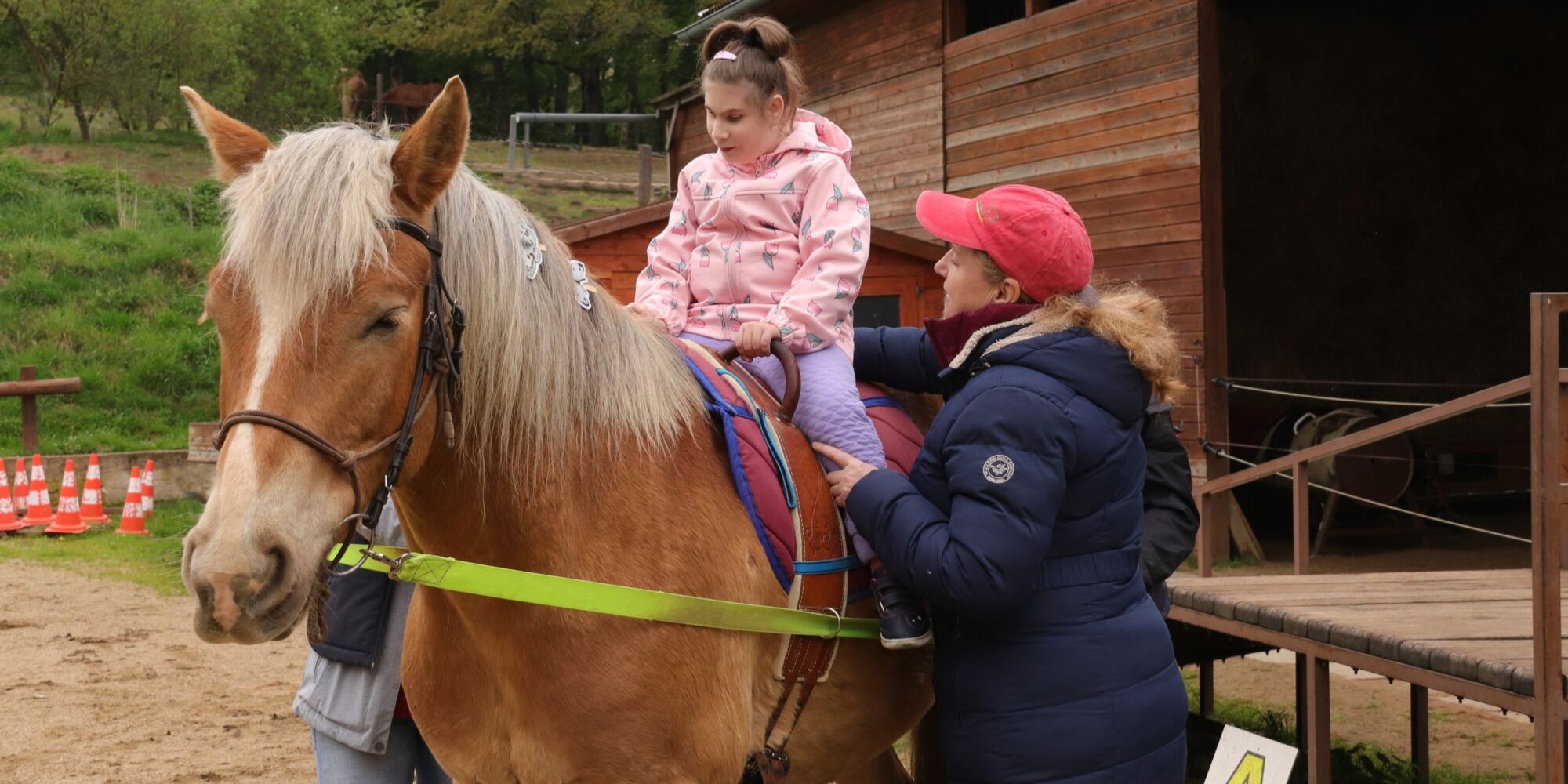
Historically, work involving equines and humans emerged from practical experience, observation, and later from therapeutic, educational, and social care contexts. Over time, what began as intuitive practice evolved into structured services informed by clinical reasoning, pedagogy, psychology, and health sciences. This evolution matters. It marks the transition from informal activity to professional responsibility, where outcomes, safety, and ethics must be clearly considered.
One of the key misunderstandings around EAS is the belief that the equine itself is the “treatment.” In reality, Equine Assisted Services are defined by how the equine is included, why it is included, and who carries responsibility for the process. Professional EAS practice requires assessment, goal setting, reflection, and ongoing evaluation, regardless of whether the service is therapeutic, educational, or supportive in nature. Without these elements, the work may be meaningful or enjoyable, but it cannot be considered professional EAS.
Equine Assisted Services are not defined by the presence of an equine alone, but by the intention, knowledge, responsibility, and framework within which the interaction takes place.
Professionalism in Equine Assisted Services also extends to ethical responsibility. This includes responsibility towards the person receiving the service, but equally towards the equine. The equine is not a tool or a technique; it is a living being whose welfare, limits, and needs must be respected at all times. Ethical EAS practice recognises the equine as a partner within a carefully designed framework, not as a means to an end.
As the field grows internationally, clarity becomes increasingly important. When everything involving equines and people is labelled as “therapy,” the value of structured, responsible Equine Assisted Services is diluted. Clear language supports clear expectations, protects participants, supports equine welfare, and strengthens the credibility of the field as a whole.
Understanding Equine Assisted Services as a professional domain — rather than a loosely defined activity — allows space for quality, research, education, and sustainable development. It invites dialogue across disciplines and cultures, while maintaining the standards necessary for the field to grow with integrity.
If you would like to explore Equine Assisted Services further, including clear explanations, professional contexts, and educational pathways, you can find more information here.
Vera’s EAS Lens is a space where I share my professional reflections, clinical reasoning, and international experience in Equine Assisted Therapy and Services. Drawing on many years of practice, education, and collaboration across countries and disciplines, I look at EAS through an expert, critical, and ethical lens. This blog is written for professionals, students, and organisations who wish to understand EAS beyond trends and enthusiasm, and to anchor their work in quality, responsibility, and meaningful practice.

Enjoyed this article? Download our free e‑book “10 Essential Insights into Equine Assisted Services” and discover practical tips you can start using today.
Would you like more inspiration, ideas, and professional insights? Join our Svítání newsletter and never miss an article, event, or course update.
Curious to deepen your knowledge in Equine Assisted Services? Explore our courses designed by experienced practitioners and start your learning journey with Svítání today.
 Intensive Equine Assisted Therapy Clinics: Why a Few Days Can Make a Real Difference
Why can intensive Equine Assisted Therapy achieve strong results in a few…
 Why I Do Not Use Helmets in My Equine Assisted Physiotherapy Sessions
Are helmets always necessary in Equine Assisted Physiotherapy? A clinical perspective on…
 Why Physiotherapists Sometimes Need an Equine
Why can equine movement support physiotherapy? A reflection on how Equine Assisted…