How Equine Movement Influences the Human Nervous System
One of the most distinctive elements of Equine Assisted Therapy is movement. Long before words, instructions, or exercises come into play, the human central nervous system responds to rhythm, repetition, and postural challenge. Equine movement offers a unique combination of these elements, delivered in a way that is difficult to replicate in any other environment.
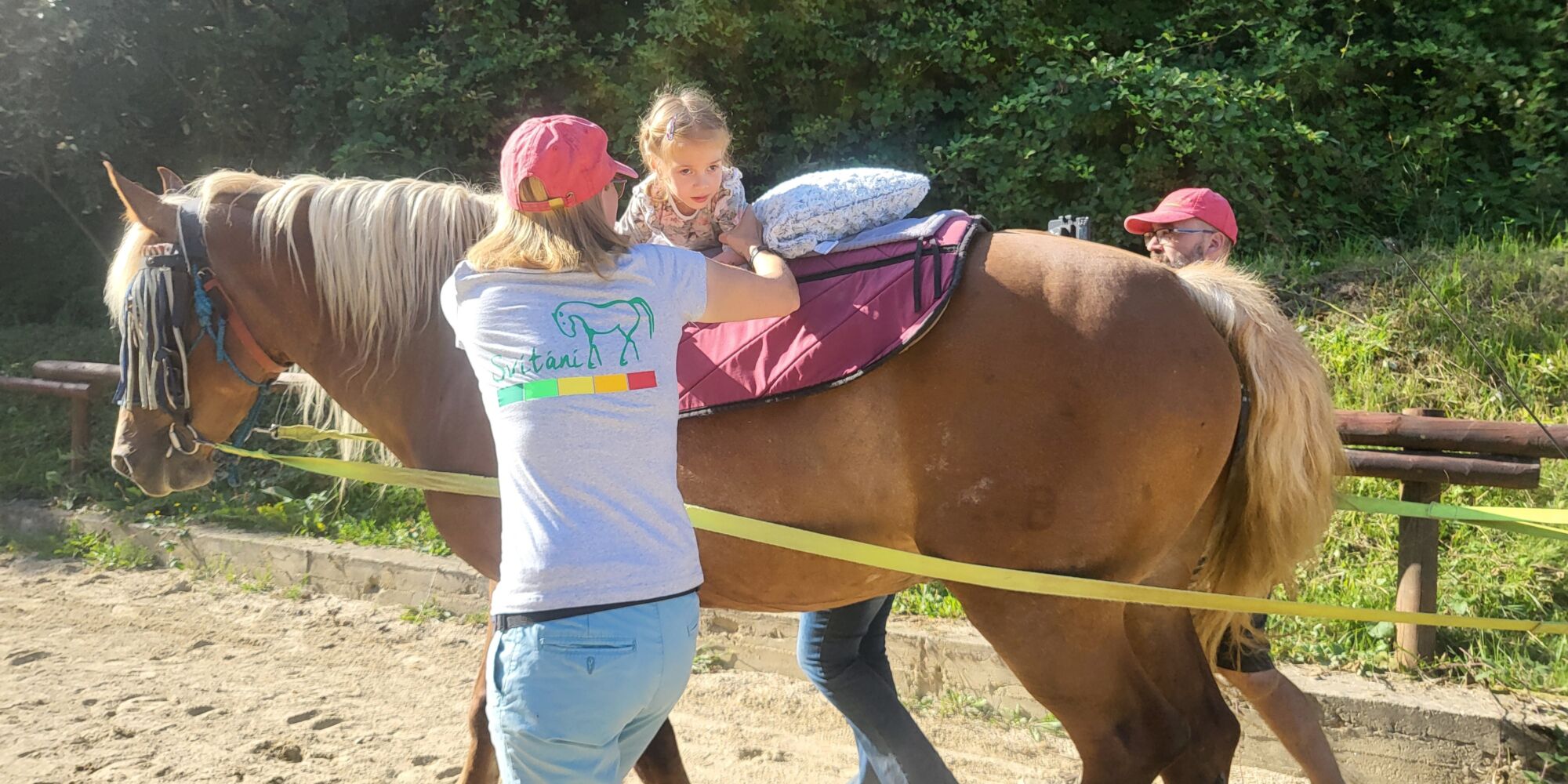
The equine’s walk provides a three-dimensional, rhythmic pattern that continuously challenges balance, postural control, and coordination. For the central nervous system, this involves constant processing of sensory information from multiple systems: muscles and joints (proprioceptive), the vestibular system, tactile, visual, auditory, and olfactory, while gustatory input is not typically involved within Equine Assisted Services. Rather than acting in isolation, these sensory signals are integrated simultaneously, supporting the organisation of movement, muscle tone, and postural stability in a functional way.
What makes equine movement particularly powerful is its predictability combined with subtle variability. The rhythm of the walk is repetitive and reassuring, which supports regulation and attention. At the same time, no two steps are identical. Small variations in speed, direction, and surface create ongoing opportunities for the central nervous system to adapt. This balance between repetition and variation is highly relevant for learning and neuroplasticity.
The rhythm of the walk is repetitive and reassuring, while small variations continuously invite the central nervous system to adapt.
Equine movement also engages the body as a whole. Rather than focusing on isolated muscles or movements, the central nervous system is engaged in a global way. Postural reactions, breathing patterns, head and trunk control, and limb coordination are all influenced at once. For many clients, especially those with neurological or developmental challenges, this whole-body engagement is both demanding and highly meaningful.
Beyond mechanics, equine movement has a regulating effect. The steady rhythm and warmth of the equine can support calmness, reduce excessive arousal, and create a sense of safety. This regulation is not separate from therapeutic work; it is often a prerequisite for it. A regulated central nervous system is more available for learning, interaction, and purposeful activity.
Understanding why equine movement affects the central nervous system so profoundly helps move Equine Assisted Therapy beyond assumptions and traditions. It allows practitioners to make intentional decisions about speed, duration, sensory input, positioning, and progression. When equine movement is approached thoughtfully, it becomes more than motion; it becomes a powerful medium for supporting central nervous system organisation and functional change.
Věra’s EAS Lens is a space where I share my professional reflections, clinical reasoning, and international experience in Equine Assisted Therapy and Services. Drawing on many years of practice, education, and collaboration across countries and disciplines, I look at EAS through an expert, critical, and ethical lens. This blog is written for professionals, students, and organisations who wish to understand EAS beyond trends and enthusiasm, and to anchor their work in quality, responsibility, and meaningful practice.
If you are curious to learn more about Equine Assisted Services and how they are understood and practised today, you can explore further information here:
https://hipoterapie-kurzy.com/eas/

Enjoyed this article? Download our free e‑book “10 Essential Insights into Equine Assisted Services” and discover practical tips you can start using today.
Would you like more inspiration, ideas, and professional insights? Join our Svítání newsletter and never miss an article, event, or course update.
Curious to deepen your knowledge in Equine Assisted Services? Explore our courses designed by experienced practitioners and start your learning journey with Svítání today.
 Why Physiotherapists Sometimes Need an Equine
Why can equine movement support physiotherapy? A reflection on how Equine Assisted…
 When Equine Assisted Therapy Is Not the Right Choice
When should Equine Assisted Therapy not be applied? A professional reflection on…
 Balancing Evidence, Experience and Ethics in EAS Practice
How do professionals balance evidence, experience and ethics in Equine Assisted Services?…