When Equine Assisted Therapy Is Not the Right Choice
Equine Assisted Therapy can be a powerful and meaningful intervention in many situations. The combination of movement, environment, and interaction with an equine creates unique therapeutic opportunities that are difficult to reproduce elsewhere. However, acknowledging the value of this approach also requires recognising that it is not always the appropriate choice. Responsible practice includes the ability to identify when another intervention, setting, or moment in time may be more suitable.
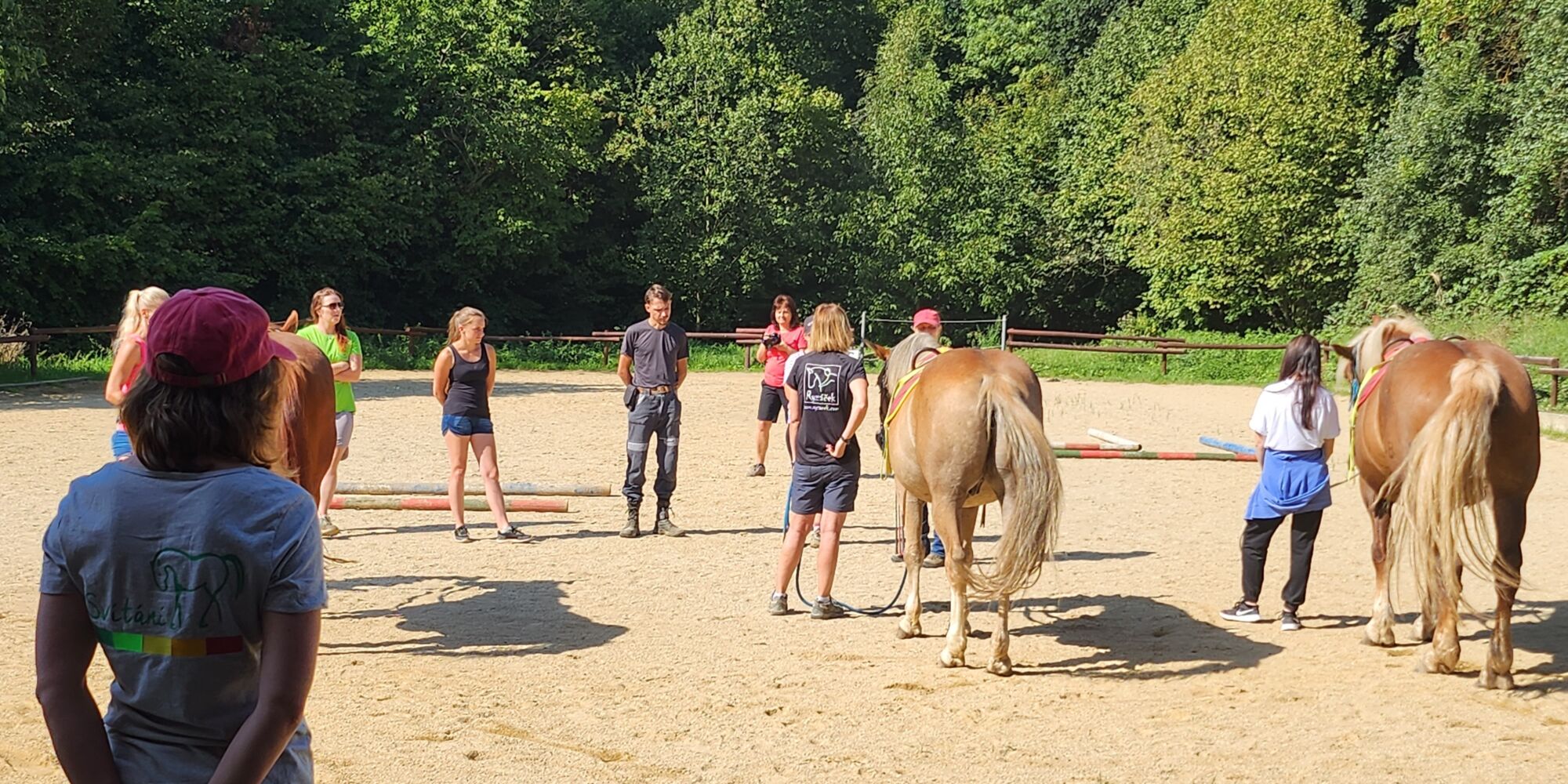
In professional practice, the first step is always to consider the individual needs and current condition of the client. Some medical conditions, physical limitations, or psychological situations may make participation in Equine Assisted Therapy unsafe or inappropriate. At other times, a person may simply not feel comfortable around equines or in the outdoor environment where sessions often take place. In such cases, insisting on equine-based work would not serve the client’s best interests.
Equine Assisted Therapy may also not be the right option when the goals of intervention cannot realistically be supported within the equine environment. Therapy requires more than good intentions or positive experiences. It requires a clear connection between the therapeutic goals and the method used to support them. When that connection is unclear, another form of therapy or support may provide a more effective pathway.
Recognising when Equine Assisted Therapy is not the right choice is not a limitation of the field, but a sign of responsible and mature practice.
Timing is another important consideration. There are moments in a client’s life when stability, medical treatment, or other forms of care must take priority. Introducing an equine-based intervention too early, or during a period of significant instability, may create unnecessary stress for the client and the team. Waiting until the situation is more suitable can be a responsible and thoughtful decision.
Equine welfare must also be part of this reflection. If the physical condition, behaviour, or workload of the equine makes safe and comfortable participation difficult, it is important to reconsider the session. Ethical practice requires recognising that the well-being of the equine is inseparable from the quality of the therapeutic work.
Finally, there are situations where the expectations surrounding Equine Assisted Therapy do not match clinical reality. Families or organisations may hope for rapid or dramatic changes, while the therapeutic process is often gradual and subtle. In such moments, honest communication becomes essential. Sometimes the most responsible decision is not to begin therapy at all, or to guide the person toward another form of support that better fits their needs.
Recognising when Equine Assisted Therapy is not the right choice does not diminish its value. On the contrary, it strengthens the credibility of the field. The ability to say “not now” or “not in this situation” reflects professional maturity and respect for both the client and the equine.
Want to build a stronger foundation before working in Equine Assisted Services?
Core Principles of Equine Assisted Services is a 74-hour online foundation programme designed to help you understand professional roles, safety, equine welfare, terminology and the knowledge you need for your next step.
Věra’s EAS Lens is a space where I share my professional reflections, clinical reasoning, and international experience in Equine Assisted Therapy and Services. Drawing on many years of practice, education, and collaboration across countries and disciplines, I look at EAS through an expert, critical, and ethical lens. This blog is written for professionals, students, and organisations who wish to understand EAS beyond trends and enthusiasm, and to anchor their work in quality, responsibility, and meaningful practice.
Follow my blog on FB, Ins and LinkedIn #VeraEASLens

Enjoyed this article? Download our free e‑book “10 Essential Insights into Equine Assisted Services” and discover practical tips you can start using today.
Would you like more inspiration, ideas, and professional insights? Join our Svítání newsletter and never miss an article, event, or course update.
Curious to deepen your knowledge in Equine Assisted Services? Explore our courses designed by experienced practitioners and start your learning journey with Svítání today.
 The Silent Load: Why Therapy Equines Shouldn’t Be Called Therapists
In modern discourse, it’s all too easy to conflate our Equine Assisted…
 Enthusiastic but not yet qualified
Can enthusiasm replace training in Equine Assisted Therapy? A professional reflection on…
 What I Wish I Had Known Before Working in Equine Assisted Services
What should you know before working in Equine Assisted Services? Vera Lantelme-Faisan…