Why Physiotherapists Sometimes Need an Equine
Equine Assisted Services bring together professionals from different backgrounds, each contributing their own knowledge, perspective, and priorities. When a physiotherapist enters the arena, the environment may look the same from the outside — the equine, the client, and the team — yet the way the situation is observed and understood often changes.
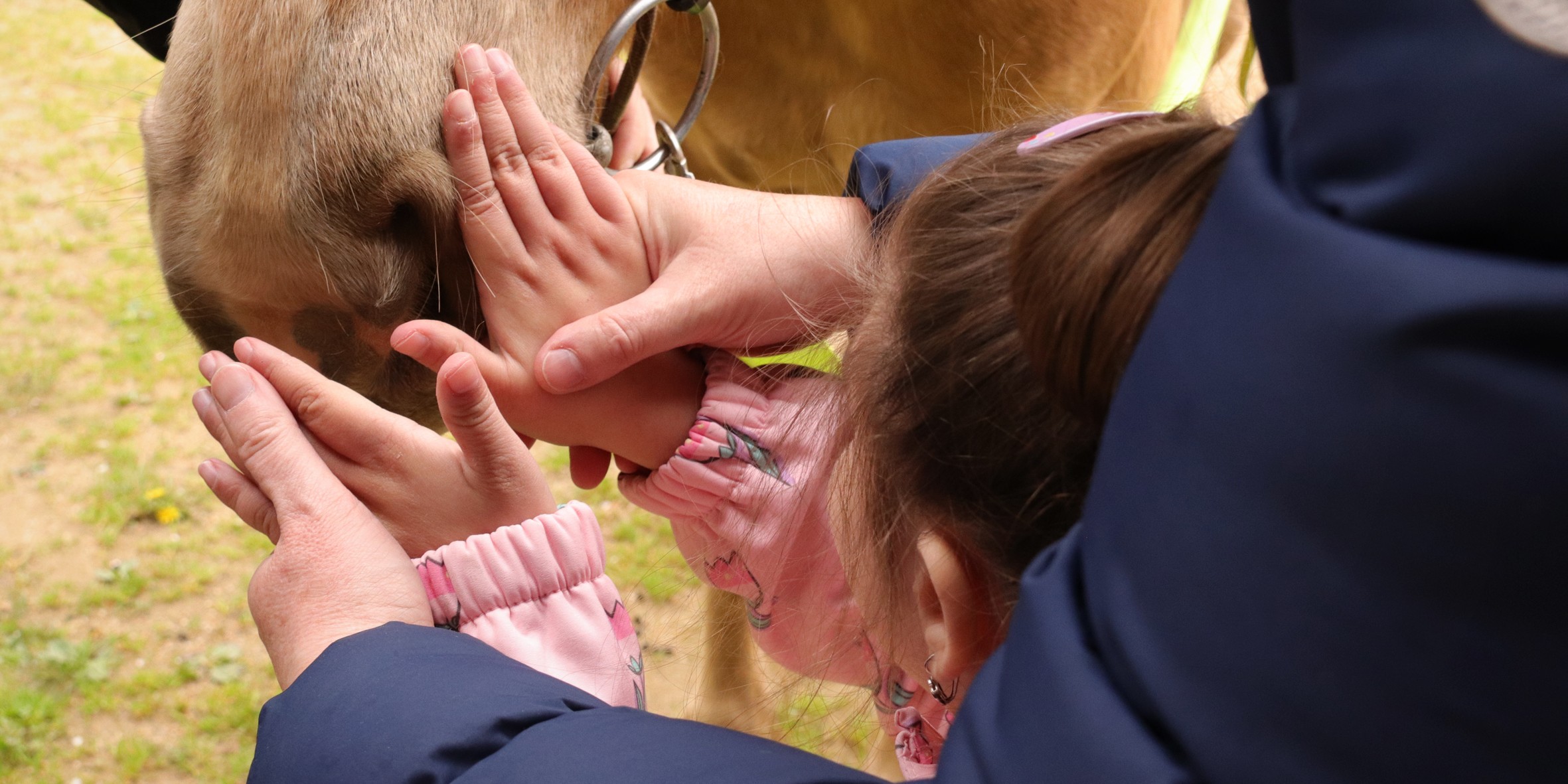
A physiotherapist tends to look first at movement. Not only at what the client is doing intentionally, but also at how the body responds automatically. Posture, muscle tone, balance reactions, breathing patterns, and subtle adjustments in the trunk or head position all become part of the observation. These details may seem small, but they often reveal how the central nervous system is organising movement in that moment.
The equine’s movement also takes on a particular meaning from this perspective. Rather than being seen only as an enjoyable experience, it becomes a source of structured sensory and motor input. The rhythm of the walk, the direction of movement, the surface under the equine’s feet, and the client’s position all influence how the central nervous system processes sensory information and organises motor responses. Small adjustments in these elements can significantly change the therapeutic effect.
There is also another reality that many clients recognise quite quickly. Physiotherapy is not always the most entertaining part of rehabilitation. Compared with the creativity often seen in occupational therapy or the playful communication exercises in speech and language therapy, physiotherapy can sometimes feel repetitive and demanding. Physiotherapists are also known for being very observant — and sometimes quite persistent — when it comes to posture, alignment, and movement quality. From the client’s perspective, this attention to detail can feel like hard work.
Physiotherapy is not always the most entertaining part of rehabilitation, but the equine environment can make it more bearable.
In paediatric physiotherapy, this reality is often very visible. Therapeutic work can be physically demanding and sometimes uncomfortable, especially when children are learning new movement patterns or working against muscle tightness or movement limitations. In clinics, it is not unusual to see frustration or even tears during difficult exercises. The equine environment can remarkably change this dynamic. The movement of the equine, the outdoor setting, and the emotional connection with the animal often create motivation that is difficult to achieve in a traditional therapy room. Children who might resist certain exercises in the clinic sometimes accept similar therapeutic challenges more willingly in the equine environment.
This experience can also influence the therapeutic relationship beyond the arena. When a physiotherapist and a client share positive experiences during Equine Assisted Therapy, trust and cooperation often grow. When the client later returns to the clinic, the exercises may not feel easier, but the willingness to engage with them can be very different. The client understands the work better, and the relationship with the therapist often becomes stronger.
A physiotherapist places strong emphasis on positioning and alignment. How the client sits or lies on the equine, how the pelvis moves with the equine’s back, and how the trunk responds to changing movement patterns are all important considerations. The goal is not to achieve a perfect posture, but to create conditions in which the central nervous system can organise movement, muscle tone, and postural control more effectively.
None of this replaces the contribution of other professionals involved in Equine Assisted Services. Occupational therapists, speech and language therapists, educators, psychologists, equine specialists, and many others bring essential perspectives. When a physiotherapist enters the arena, it simply brings another professional perspective to the work. In this way, the arena becomes more than a place for activities. It becomes a therapeutic environment where movement and motivation can support the client’s quality of life.
Věra’s EAS Lens is a space where I share my professional reflections, clinical reasoning, and international experience in Equine Assisted Therapy and Services. Drawing on many years of practice, education, and collaboration across countries and disciplines, I look at EAS through an expert, critical, and ethical lens. This blog is written for professionals, students, and organisations who wish to understand EAS beyond trends and enthusiasm, and to anchor their work in quality, responsibility, and meaningful practice.
Follow my blog on FB, Ins and LinkedIn #VeraEASLens

Enjoyed this article? Download our free e‑book “10 Essential Insights into Equine Assisted Services” and discover practical tips you can start using today.
Would you like more inspiration, ideas, and professional insights? Join our Svítání newsletter and never miss an article, event, or course update.
Curious to deepen your knowledge in Equine Assisted Services? Explore our courses designed by experienced practitioners and start your learning journey with Svítání today.
 Do I Need My Own Centre to Work in Equine Assisted Services?
Do I Need My Own Centre to Work in Equine Assisted Services?
 Do I Need Horse Experience to Work in Equine Assisted Services?
Do you need horse experience to work in Equine Assisted Services? Learn…
 How Long Does It Take to Qualify in Equine Assisted Services?
How long does it take to qualify in Equine Assisted Services? Vera…