Footwear in Equine Assisted Therapy: Why It Matters
During my therapy sessions, I often remove my clients’ shoes. It is something that parents and caregivers frequently ask about. At first, it may seem like a small detail, but in practice, footwear can make a significant difference.
One of the reasons is simple: comfort. Free feet are happy feet. Children may come to sessions wearing shoes that are not very comfortable and restrict movement. Sometimes they arrive in boots that are heavy or loose, and you can see them trying to keep them on while moving. Often, the child increases ankle dorsiflexion to prevent the shoe from slipping.
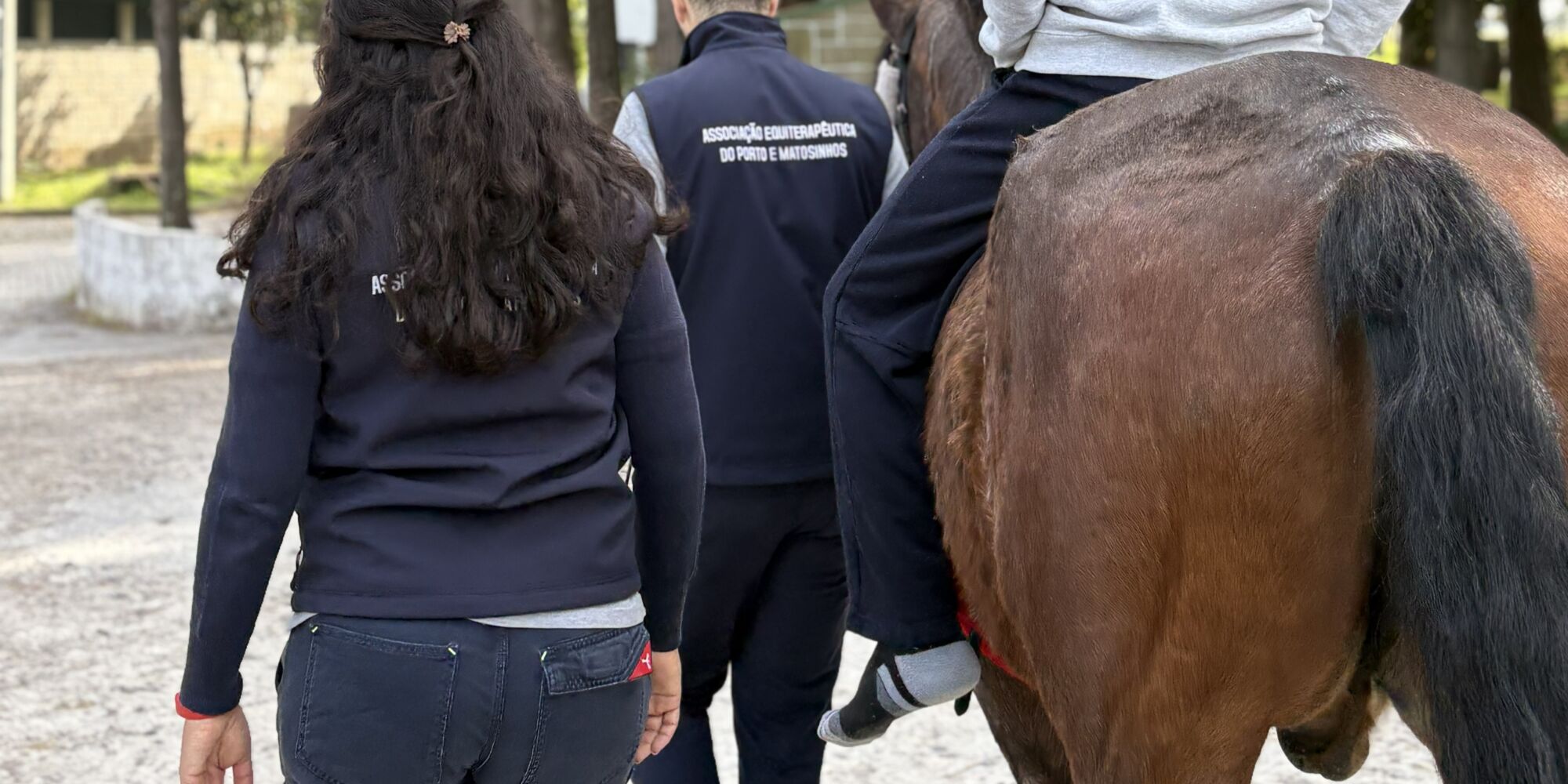
This effort is usually unconscious, but it has consequences. The body reacts by increasing muscle activity, which can lead to higher muscle tone. What starts at the level of the foot can influence the whole body. The pelvis may become stiffer, the trunk less adaptable, and this can continue upwards to the shoulders and head. In therapy, where we aim to support organised and efficient movement, this is not a small detail.
Footwear can influence the entire body, from the foot to the head, in ways we often do not immediately see.
Footwear can also reduce the quality of sensory input. Contact between the foot and the surface is an important source of information for the body. When the foot is enclosed, this input is altered. Without shoes, the client can feel more, adjust more naturally, and respond more freely.
For this reason, I often choose to work without shoes during the session. If needed, in colder weather, we use an extra pair of socks. This makes it possible to adapt the session without compromising the client’s comfort.
Over time, this has also become a small and natural part of the session. The child arrives and mounts with shoes, which is practical and familiar. Once positioned on the equine, we remove the shoes. At the end of the session, the shoes are put back on before dismounting. This simple routine is well accepted and becomes part of the therapeutic process.
This is not about saying that shoes should never be used. It is about recognising that footwear can influence posture, muscle tone, and the way the body responds to movement. In Equine Assisted Therapy, where small changes can have a meaningful impact, even something as simple as removing shoes can support better outcomes.
Věra’s EAS Lens is a space where I share my professional reflections, clinical reasoning, and international experience in Equine Assisted Therapy and Services. Drawing on many years of practice, education, and collaboration across countries and disciplines, I look at EAS through an expert, critical, and ethical lens. This blog is written for professionals, students, and organisations who wish to understand EAS beyond trends and enthusiasm, and to anchor their work in quality, responsibility, and meaningful practice.
If you are curious to learn more about Equine Assisted Services and how they are understood and practised today, you can explore further information here:
https://hipoterapie-kurzy.com/eas/
Vera EAS Lens – Blog Subscription
Follow my blog on FB, Ins and LinkedIn #VeraEASLens

Enjoyed this article? Download our free e‑book “10 Essential Insights into Equine Assisted Services” and discover practical tips you can start using today.
Would you like more inspiration, ideas, and professional insights? Join our Svítání newsletter and never miss an article, event, or course update.
Curious to deepen your knowledge in Equine Assisted Services? Explore our courses designed by experienced practitioners and start your learning journey with Svítání today.
 Do I Need My Own Centre to Work in Equine Assisted Services?
Do I Need My Own Centre to Work in Equine Assisted Services?
 Do I Need Horse Experience to Work in Equine Assisted Services?
Do you need horse experience to work in Equine Assisted Services? Learn…
 How Long Does It Take to Qualify in Equine Assisted Services?
How long does it take to qualify in Equine Assisted Services? Vera…