Do I Need My Own Horse to Work in Equine Assisted Services?
No, you do not need to own a horse before starting your education or developing a career in Equine Assisted Services. You do need reliable access to suitable equines, regular practical experience and opportunities to learn under competent supervision.
Ownership is a major financial, practical and welfare commitment. It should follow a clear professional plan, not replace one. Before buying an equine, you need to understand what type of service you intend to provide, which clients you may work with and what the equine will be expected to manage.
Understand the work before choosing the equine
Equine Assisted Therapy, Equine Assisted Learning, therapeutic riding and adaptive riding involve different aims, methods and professional responsibilities. The equine required for each type of work may also be different.
An equine suitable for therapeutic riding may not be comfortable with the close physical contact, therapeutic positions or movement demands used in Equine Assisted Physiotherapy. An equine that works confidently during groundwork sessions may be unsuitable for mounted activities. Temperament matters, but so do movement quality, physical capacity, training, soundness and recovery after work.
Buying an equine too early can restrict your professional development. You may later discover that the equine does not suit the client group or type of service you want to provide. This can create pressure to adapt the programme around the equine you already own, even when the match is not appropriate.
Owning a horse does not prepare you for Equine Assisted Services; education, practical experience and competent supervision do.
Professional education gives you the knowledge to evaluate equine suitability more accurately. It also helps you understand that no equine is suitable for every participant, activity or working environment.
Regular access matters more than ownership
Although ownership is not necessary, practical experience cannot be postponed. Online study and classroom teaching need to be connected to real work with equines. You must learn to recognise behaviour, communication, stress responses, physical discomfort and changes in willingness or attention.
Experience with one familiar horse provides only a limited picture. Working with equines of different ages, sizes, temperaments and levels of training develops observation and adaptability. You begin to recognise individual responses rather than relying on routines that happened to work with one animal.
Practical experience may come through a placement, employment, volunteering, leasing, sharing an equine or working with an established professional. The arrangement is less important than the quality of the experience. It needs to be regular, purposeful and supported by someone who can explain what is happening and correct unsafe or ineffective practice.
Occasional contact with a friend’s horse is not enough preparation for professional responsibility. Being relaxed around horses is useful, but it does not demonstrate competence in safe handling, welfare monitoring, equine selection or decision-making when a situation changes.
Some educational programmes require practical videos, supervised hours or evidence of specific horsemanship skills. Before enrolling, check exactly what access to equines you will need and where the practical work can be completed. A student may need a reliable equine arrangement without needing to become an owner.
An established centre can provide a stronger beginning
For many new practitioners, working within an established Equine Assisted Services centre is more useful than buying an equine and starting independently. A good centre can provide suitable equines, facilities, equipment, experienced colleagues and established procedures for safety and welfare.
It also exposes you to the work that takes place before and after the client session. Equines must be prepared, observed and given appropriate recovery. Sessions may need to be changed or cancelled because of health, behaviour, weather or facility conditions. Records, team communication and workload planning are part of the service.
Some practitioners work successfully through partnerships with riding schools, rehabilitation centres, charities or private equine owners. The practitioner may provide healthcare, education or mental health expertise, while the partner provides the equines, facilities and daily equine management.
These arrangements need clear agreements. Responsibilities should include equine selection, preparation, handling, workload, welfare monitoring, insurance and authority to withdraw an equine from a session. Working in partnership can remove the need for ownership, but it does not remove professional accountability.
This model also allows a new practitioner to learn what is involved in maintaining a service before taking responsibility for an entire programme. That experience can be more valuable than purchasing an equine before understanding the operational demands.
When ownership becomes a reasonable decision
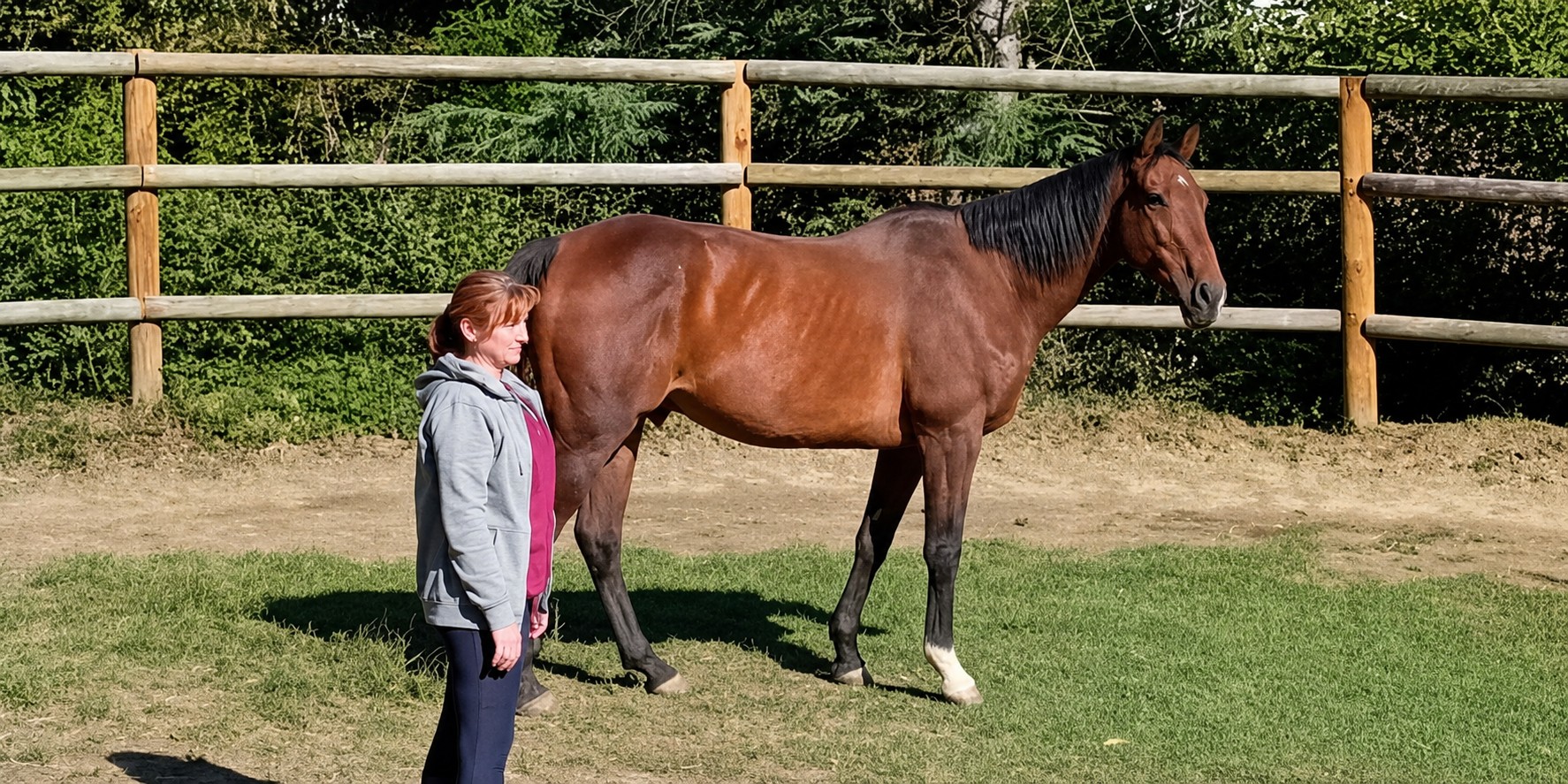
Ownership becomes more relevant once your professional direction is established. At that stage, you should understand which clients you intend to work with, what activities you will provide and which qualities the equine needs for that specific role.
Selection should be based on more than breed, size or personal preference. You need to consider soundness, movement, temperament, training, responses to different people, tolerance of the working environment and recovery after demanding situations. An equine may be kind and well trained yet still be physically or emotionally unsuited to a particular programme.
The equine’s life outside client sessions carries equal weight. Social contact, turnout, appropriate training, veterinary and hoof care, rest and opportunities for natural behaviour are part of the responsibility attached to ownership.
An equine should not be purchased with the expectation that it will begin working immediately or pay for its own care through client sessions. Preparation may take considerable time, and some equines prove unsuitable despite careful selection. A responsible practitioner needs a plan for that possibility.
Ownership may eventually provide greater control over preparation, workload and long-term development. It also brings full responsibility for costs, daily management and welfare decisions, including periods when the equine cannot work.
What should you arrange before starting?
Begin by identifying the area of Equine Assisted Services you want to enter and the professional role you intend to hold. Choose education that includes clear practical requirements, then arrange regular access to suitable equines through a centre, placement or professional partnership.
You do not need your own horse to begin. You need enough access, guidance and practical experience to develop genuine competence. Ownership may become useful later, when you can select an equine for a defined professional role and provide the long-term conditions that the equine requires.
If you are considering professional education in Equine Assisted Services, understanding the field before investing in an equine or facility can prevent expensive and unsuitable decisions. Svítání educational programmes are designed to help learners connect professional knowledge with equine competence, supervised practice and responsible planning.
Want to build a stronger foundation before working in Equine Assisted Services?
Core Principles of Equine Assisted Services is a 74-hour online foundation programme designed to help you understand professional roles, safety, equine welfare, terminology and the knowledge you need for your next step.
This article is part of a series addressing the practical questions people face when considering a career in Equine Assisted Services.
The next article in the series will explore: How Do I Start a Career in Equine Assisted Services?
About Vera’s EAS Lens
Vera’s EAS Lens – An Expert Guide to Equine Assisted Therapy and Services is written by Vera Lantelme-Faisan, MSc, a physiotherapist, educator and international lecturer with more than 25 years of clinical and teaching experience in Equine Assisted Therapy and Services.
The blog examines professional practice, education, safety, clinical decision-making and equine welfare through the lens of real experience. It is written for practitioners, students and anyone seeking a clearer understanding of responsible Equine Assisted Services.
Vera EAS Lens – Blog Subscription: https://shorturl.at/oWzLS
Follow my blog on FB, Ins and LinkedIn #VeraEASLens

Enjoyed this article? Download our free e‑book “10 Essential Insights into Equine Assisted Services” and discover practical tips you can start using today.
Would you like more inspiration, ideas, and professional insights? Join our Svítání newsletter and never miss an article, event, or course update.
Curious to deepen your knowledge in Equine Assisted Services? Explore our courses designed by experienced practitioners and start your learning journey with Svítání today.
 What Does a Typical Working Day in Equine Assisted Services Look Like?
What does a typical day in Equine Assisted Services look like? Explore…
 What Can You Actually Do When Equine Assisted Services Barely Exist in Your Country?
Equine Assisted Services barely exist in your country? Learn how to begin…
 Do I Need My Own Centre to Work in Equine Assisted Services?
Do I Need My Own Centre to Work in Equine Assisted Services?