What I Wish I Had Known Before Working in Equine Assisted Services
When I began working in Equine Assisted Services, I was already a physiotherapist, and I knew horses. What I didn’t yet understand was how many different pieces would eventually have to come together for one client session.
The clinical work was only one part. There were equines, facilities, assistants, families, referring professionals, documentation, safety, finances, staff, insurance and all the small organisational decisions that nobody sees when they watch a session from outside. I learned many of those things gradually, because no complete map waited for me at the beginning.
Looking back now, that wider picture is probably what I would have liked to understand earlier.
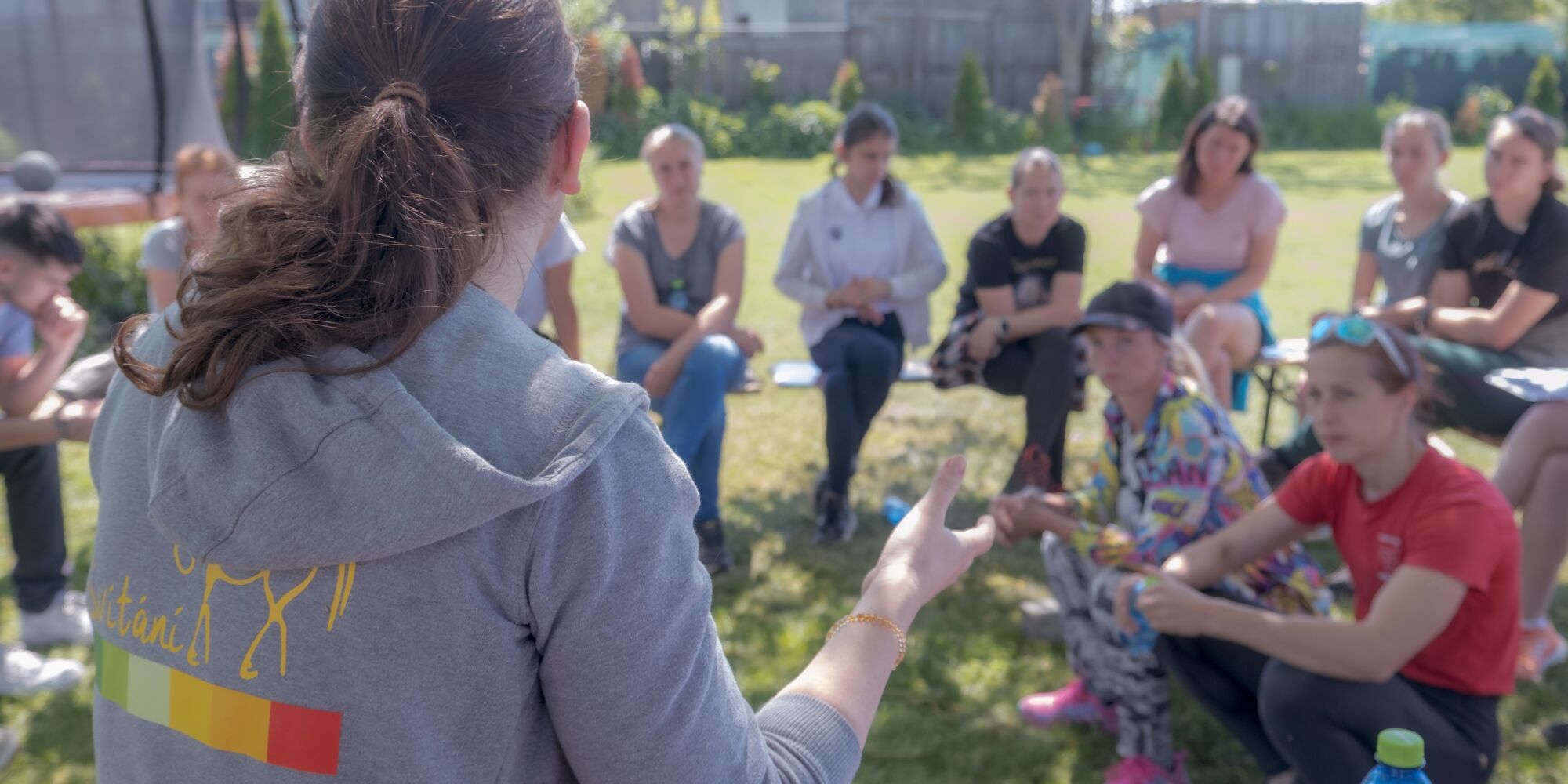
Knowing your own profession is only the beginning
My physiotherapy background gave me a strong starting point. I knew how to assess a client, establish goals, analyse movement and make clinical decisions. Once the work moved into an equine environment, however, my clinical knowledge had to connect with an entirely different set of variables.
The equine was an individual with their own movement, behaviour, history and limits. The environment could change from one day to another. I was working with assistants and equine professionals whose observations were sometimes just as important to the decision as mine.
I gradually became more interested in how these perspectives fit together. I did not need to become the veterinarian, farrier, trainer or stable manager, but I needed enough understanding to communicate with them and recognise when their knowledge needed to influence my plan.
That is still one of the things I value most about this field. It keeps you inside your own expertise while constantly asking you to understand what is happening around it.
The hour with the client is a very small part of the service
At the beginning, it is easy to imagine the work mainly through sessions. A client arrives, the equine is prepared, the team works together and the session finishes.
Running a service soon changes that picture.
The equines need care whether or not there are clients. Facilities need maintenance. Staff need coordination. Families call, referrals arrive, reports need writing, and sometimes the planned session disappears completely because the equine, client or environment tells you that today is not the day.
Finances bring another reality. The price of one session rarely represents everything that makes that session possible. Qualified staff, facilities, equine care, and administration continue around it, and for many centres, grants, donations, or partnerships help keep the service accessible.
I eventually understood that Equine Assisted Services is not one intervention happening in an arena; it is a whole system that has to work around the client and the equine.
Once I began thinking this way, many decisions became clearer.
I wish I had designed the whole centre on paper first
This is one reason I now ask students in some of our qualifications to create a Virtual Centre Project.
They design their own Equine Assisted Services centre, or they take a centre where they already work and look at it with fresh eyes. I deliberately ask them to think beyond the session because that is where the exercise becomes useful.
Who are the clients? How will we approach them? Which services will be provided? Who needs to be on the team? Which equines are appropriate, and how many are realistically needed? What happens when one of them cannot participate? Where will we buy the hay? How does a wheelchair user reach the working area? Where are the toilets, the waiting space and somewhere quiet for a client who needs it?
Then we move into the less visible questions. Who is responsible during an emergency? Where is equipment stored? How is the programme financed? What happens in bad weather? How much time is available between sessions? Where can an equine recover afterwards?
Students sometimes begin with a beautiful picture of their dream centre. By the time they finish, the drawing has become much more realistic. That is exactly the purpose.
I would have found this exercise very useful much earlier in my own career.
Your dream centre does not have to become a real centre
The interesting part of the Virtual Centre Project is not whether you eventually build it.
You may discover you don’t want to own a facility at all. Perhaps a partnership with an existing equestrian centre would suit your work better. Perhaps you need one therapy space, two appropriate equines and a good team rather than the large centre you originally imagined.
You may also discover gaps you had not considered. The facility may be excellent for equines but inaccessible for your intended clients. Your financial model may depend on an unrealistic number of sessions. You may have planned the intervention carefully but forgotten who will manage the equines while you are documenting the previous client.
For me, that is good learning. It is far easier to discover these things on paper than after investing money and taking responsibility for clients, equines and staff.
I would begin with the wider picture earlier
If I could return to the beginning, I would still study the clinical work deeply. I would still spend time developing equine competence and learning from people with greater equine knowledge than mine.
But I would also begin thinking about the whole structure much sooner.
Who will I work with? Where will I work? What does the client need before and after the session? What does the equine need? What happens when the original plan fails? How will the service survive financially? Which parts can I manage myself, and where do I need somebody else’s expertise?
Those questions have shaped my work just as much as the techniques I learned.
If you would like to try the Virtual Centre exercise yourself, create your centre on paper. It can be your dream centre, a realistic first version or an honest review of the place where you already work. If you send it to me, I’d be happy to look at it and give you feedback on what you have considered and what may still be missing.
Our educational programmes include exercises like this because I want students to connect individual skills with the wider reality of Equine Assisted Services. The session matters, but understanding everything that makes it happen well is what eventually changes how you see the work.
Want to build a stronger foundation before working in Equine Assisted Services?
Core Principles of Equine Assisted Services is a 74-hour online foundation programme designed to help you understand professional roles, safety, equine welfare, terminology and the knowledge you need for your next step.
This bonus article completes the Career Series addressing the practical questions people face when considering a career in Equine Assisted Services.
About Vera’s EAS Lens
Vera’s EAS Lens – An Expert Guide to Equine Assisted Therapy and Services is written by Vera Lantelme-Faisan, MSc, a physiotherapist, educator and international lecturer with more than 25 years of clinical and teaching experience in Equine Assisted Therapy and Services.
The blog examines professional practice, education, safety, clinical decision-making and equine welfare through the lens of real experience. It is written for practitioners, learners and anyone seeking a clearer understanding of responsible Equine Assisted Services.
Vera EAS Lens – Blog Subscription: https://shorturl.at/oWzLS

Enjoyed this article? Download our free e‑book “10 Essential Insights into Equine Assisted Services” and discover practical tips you can start using today.
Would you like more inspiration, ideas, and professional insights? Join our Svítání newsletter and never miss an article, event, or course update.
Curious to deepen your knowledge in Equine Assisted Services? Explore our courses designed by experienced practitioners and start your learning journey with Svítání today.
 What Does a Typical Working Day in Equine Assisted Services Look Like?
What does a typical day in Equine Assisted Services look like? Explore…
 What Can You Actually Do When Equine Assisted Services Barely Exist in Your Country?
Equine Assisted Services barely exist in your country? Learn how to begin…
 Do I Need My Own Centre to Work in Equine Assisted Services?
Do I Need My Own Centre to Work in Equine Assisted Services?