What Does a Typical Working Day in Equine Assisted Services Look Like?
A working day in Equine Assisted Services rarely consists of moving from one client session to the next. The visible part of the job may be a 30- or 60-minute session, but the day around it is filled with preparation, decisions, communication, equine care and paperwork.
When I was running a centre with a large number of sessions, the work began long before the first client arrived. We needed to know which equines were available, how they were moving and behaving that day, which clients were coming, what each session required and whether anything had changed since the previous visit. By the time the client entered the working area, a number of decisions had already been made.
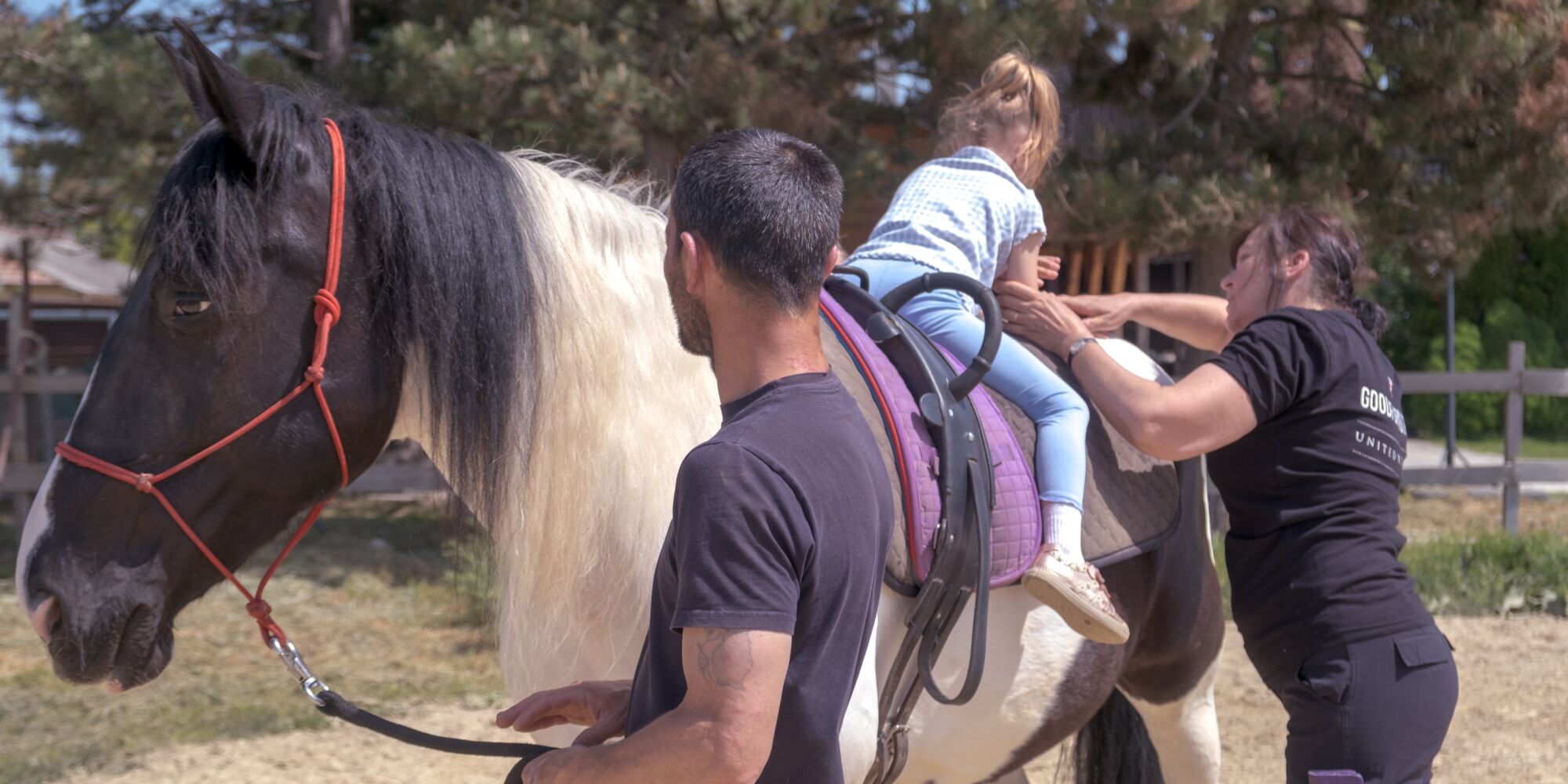
The day begins with the equines and the programme
Before sessions start, I want to know how the equines are. An equine who was perfectly suitable yesterday may be tired, stiff, distracted or simply less willing to participate today. Weather, turnout, changes within the herd, recent training or a small physical change can influence the plan.
The client list also needs reviewing. One person may continue with a familiar programme, while another requires a completely different approach because of a change in health, behaviour, or goals. In therapy, I may need to reconsider positioning, movement or the choice of equine. In learning or mental health work, the environment and proposed activity may need adjustment.
The team checks equipment and the work area, and everyone needs to know their role and tasks. If several professionals are involved, a short conversation before the client arrives can prevent a great deal of confusion later.
The client may experience 30 minutes of Equine Assisted Services, but the practitioner is responsible for everything that makes that hour possible.
The session is only one part of the work
During a session, my attention is divided across several things at once. I am observing the client, following the goals, watching the equine and communicating with the team. At the same time, I am deciding whether the original plan still makes sense. As a qualified practitioner, I am responsible for the session’s safety and quality.
This is one of the parts of the work that is difficult to understand before you actually practise. You can prepare a beautiful session plan in the morning and change it within five minutes. The client may respond differently than expected, the equine may offer something different, your teammate is off, or the environment may make another approach more appropriate.
In a good session, these changes do not feel chaotic. They are part of the reasoning behind the work. Experience helps you recognise what you can adapt and what requires you to stop altogether.
Some days everything flows. On others, an equine loses a shoe, a client arrives late, the weather changes, a team member is absent, or somebody simply has a bad day. The ability to reorganise without losing the purpose of the session is part of daily practice.
What happens after the client leaves
The work doesn’t end when the client gets into the car.
There may be documentation, notes about progress, communication with parents or caregivers and contact with another professional involved in the client’s care. In healthcare, this information may become part of the clinical record. In other programmes, there may still be progress notes, safeguarding records or communication with schools and organisations.
The equine also needs attention after the session. Depending on the work, this may include checking movement and behaviour, removing equipment, cooling down, returning to the herd or simply allowing quiet recovery. If something felt different during the session, I want that information shared with the person responsible for the equine.
These small observations accumulate over time. A change that seems insignificant during one session may become meaningful when the team notices that it has appeared several times.
There is a surprising amount of work without clients
A working day may also include tasks that have nothing to do with direct sessions. There are emails, referrals, phone calls, scheduling, invoices, insurance, staff discussions, equipment orders and maintenance. Programmes need planning, and equines need training and ongoing evaluation.
When I ran a centre, some of the most important work happened in meetings. We discussed clients, equines, staffing and situations that had not gone as expected. Those conversations helped us decide what needed to change before the next session rather than repeating the same approach automatically.
There may also be communication with doctors, therapists, teachers or social services. Building these relationships takes time, particularly when Equine Assisted Services are not yet well understood locally. The practitioner who wants a full diary of client sessions every day quickly discovers that there also needs to be time for everything surrounding them.
And sometimes the best decision of the day is a cancellation. If conditions are unsuitable for the client or the equine, the planned session may not happen. That may be inconvenient, but it is part of responsible work.
No two roles have exactly the same day
A physiotherapist, Equine Assisted Learning practitioner, psychotherapist, riding instructor and equine specialist will organise their days differently. Someone employed by an established centre may arrive to a prepared environment, while somebody running their own programme may also be responsible for facilities, staff and administration.
This variety is one reason I have remained interested in the field for so long. The work combines knowledge of people, equines, environment and organisation, and none of them can be completely separated from the others.
It is also why I would never describe Equine Assisted Services as spending the day with horses and clients. That is certainly part of it, and often the part we enjoy most, but the quality of those sessions depends on everything that happens before and after them.
What should you expect from the job?
Expect less direct client time than you may imagine and more preparation, communication and decision-making. Expect plans to change. Expect to keep learning about equines and people even after years of practice, because the combinations are never exactly the same.
For me, that is what makes the work interesting. A good day is not necessarily the day when every appointment ran exactly to schedule. It is the day when the team made sound decisions, the clients received something appropriate for their needs, and the equines finished their work in good condition.
If you are considering a career in Equine Assisted Services, education should prepare you for the complete picture, not just the visible session. My educational programmes are designed to develop the reasoning, practical competence and understanding of the wider service that students will need once the work becomes part of everyday practice.
Want to build a stronger foundation before working in Equine Assisted Services?
Core Principles of Equine Assisted Services is a 74-hour online foundation programme designed to help you understand professional roles, safety, equine welfare, terminology and the knowledge you need for your next step.
This article closes my series addressing the practical questions people face when considering a career in Equine Assisted Services.
Next week, I will add a BONUS article that brings the series together: What I Wish I Had Known Before Working in Equine Assisted Services.
About Vera’s EAS Lens
Vera’s EAS Lens – An Expert Guide to Equine Assisted Therapy and Services is written by Vera Lantelme-Faisan, MSc, a physiotherapist, educator and international lecturer with more than 25 years of clinical and teaching experience in Equine Assisted Therapy and Services.
The blog examines professional practice, education, safety, clinical decision-making and equine welfare through the lens of real experience. It is written for practitioners, learners and anyone seeking a clearer understanding of responsible Equine Assisted Services.
Vera EAS Lens – Blog Subscription: https://shorturl.at/oWzLS
Follow my blog on FB, Ins and LinkedIn #VeraEASLens

Enjoyed this article? Download our free e‑book “10 Essential Insights into Equine Assisted Services” and discover practical tips you can start using today.
Would you like more inspiration, ideas, and professional insights? Join our Svítání newsletter and never miss an article, event, or course update.
Curious to deepen your knowledge in Equine Assisted Services? Explore our courses designed by experienced practitioners and start your learning journey with Svítání today.
 What Can You Actually Do When Equine Assisted Services Barely Exist in Your Country?
Equine Assisted Services barely exist in your country? Learn how to begin…
 Do I Need My Own Centre to Work in Equine Assisted Services?
Do I Need My Own Centre to Work in Equine Assisted Services?
 Do I Need Horse Experience to Work in Equine Assisted Services?
Do you need horse experience to work in Equine Assisted Services? Learn…