Can I Earn a Living in Equine Assisted Services?
Can Equine Assisted Services become a sustainable source of income? Yes, but I would never calculate it from the session fee alone.
In my experience, I have met relatively few practitioners and centres that could cover their complete operation from client fees. A session may last 30 minutes or an hour, but behind it are qualified staff, preparation, documentation, facilities, equipment, insurance, administration and equine care throughout the entire year.
Once you calculate the actual cost, you may discover that charging the client for it all would make regular attendance unaffordable. A family coming once or twice a week for several months may simply not be able to pay the full economic cost of every session.
That is why the financial model matters as much as the number of clients.
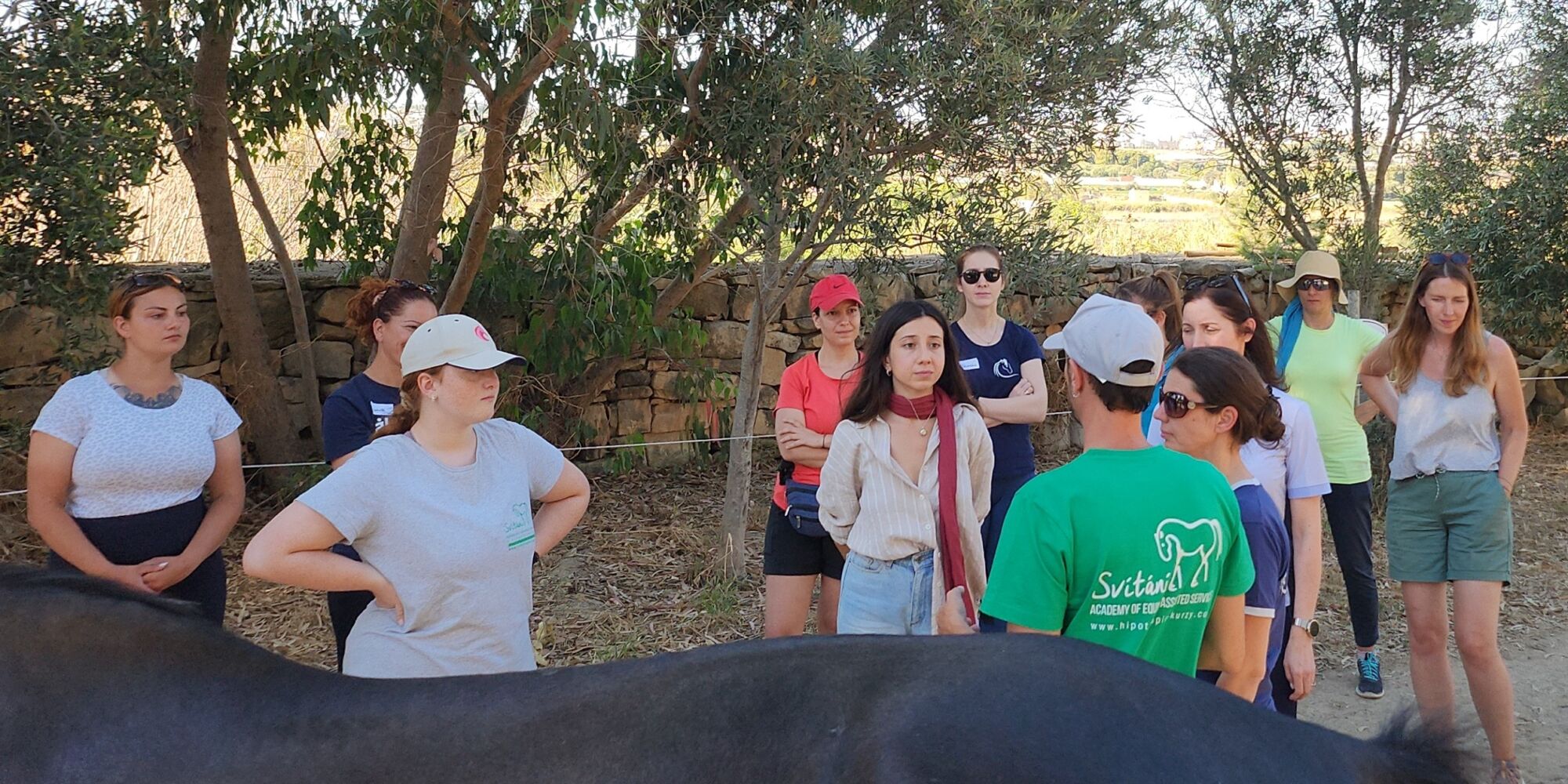
Calculate what one session really costs
The visible session is only part of the work. There may be assessment and planning beforehand, preparation of the equine and environment, and team communication and documentation afterwards. Equipment needs maintenance, accounts have to be managed, and facilities have running costs even on days without clients.
Equines require care 365 days a year. Feed, turnout, veterinary care, dental care, physiotherapy and hoof care, appropriate training, and recovery do not stop when the programme closes for a holiday or when an equine cannot participate.
There are also limits to how many sessions an equine can reasonably be involved in. Health, individual workload, the type of activity, the environment and recovery all influence that decision.
The client pays for a session, but the provider has to finance everything that makes that session possible.
If you calculate income only by multiplying the session price by the number of appointments, the result can look very attractive. It may have little connection with what remains after the real costs are paid.
Client fees often cannot cover the whole programme
This is where I think financial planning in Equine Assisted Services becomes different from the picture people sometimes have when they first enter the field.
If the complete cost is included in the client fee, the price may become unrealistic. Reducing costs by underpaying staff, compromising equine care or increasing the equines’ workload is not a sustainable answer.
For this reason, many centres operate as NGOs, charities or other non-profit structures, or combine client fees with external funding. Grants, donations, sponsorships, gifts, partnerships, and public funding may cover part of the difference between what the service actually costs and what clients can reasonably pay.
I have seen this model repeatedly in practice. The client contributes to the service, but the organisation does not expect that contribution to finance everything.
This also makes the service more accessible. If someone needs regular intervention for several months, affordability becomes part of whether the programme can actually serve the population for which it was created.
Plan for fundraising from the beginning
If you are considering establishing a centre, I would include fundraising in the structure from the start.
Somebody has to search for grants, prepare applications, communicate with donors and sponsors and build relationships with organisations that may support the programme. In a larger centre, this may be a dedicated fundraiser. In a small organisation, another team member may take this responsibility, but it still requires time and competence.
Fundraising should not begin only when the bank account is becoming empty. It works better when it is treated as an ongoing part of running the organisation.
The person responsible also needs to understand what they are raising money for. Funding may support staff, equine welfare, equipment, facilities, accessibility or places for clients who could otherwise not afford to attend.
For many centres, client fees are one source of income, not the whole financial model.
You do not necessarily need to earn your whole income from EAS
There are other ways to make the work financially realistic.
Some practitioners are employed by an EAS organisation. Others collaborate with equestrian centres, schools, healthcare services or community organisations. Some are self-employed but do not carry the costs of an entire centre.
Combining Equine Assisted Services with an existing profession can also work very well. A physiotherapist may provide conventional physiotherapy alongside Equine Assisted Physiotherapy. A mental health professional or educator may similarly combine different areas of their work.
This can provide stability while the Equine Assisted Services part develops. It also reduces pressure to fill every possible hour or continue a session when an equine or a staff member need rest, the weather is unsuitable, or another change makes the planned session inappropriate.
A busy diary does not necessarily mean a profitable programme, and a smaller EAS practice does not mean an unsuccessful career.
So, can you earn a living?
Yes. Equine Assisted Services can provide part or all of your income, but I would approach the numbers very realistically.
Calculate the complete cost rather than only the client hour. Decide how much clients can reasonably contribute. Consider whether employment, collaboration or combining EAS with your existing profession makes sense. If you are establishing a centre, think seriously about grants, donations and fundraising before you need them.
A financially sustainable programme gives you room to pay people fairly, keep services accessible, and make decisions about equine participation based on well-being rather than financial pressure.
Continuous education for all team members should also include this reality. Understanding the service means understanding what happens around the session, including the financial structure that allows clients, practitioners and equines to participate under appropriate conditions.
Want to build a stronger foundation before working in Equine Assisted Services?
Core Principles of Equine Assisted Services is a 74-hour online foundation programme designed to help you understand professional roles, safety, equine welfare, terminology and the knowledge you need for your next step.
This article is part of a series addressing the practical questions people face when considering a career in Equine Assisted Services.
The next article in the series will explore: Can I Study Equine Assisted Services Online?
About Vera’s EAS Lens
Vera’s EAS Lens – An Expert Guide to Equine Assisted Therapy and Services is written by Vera Lantelme-Faisan, MSc, a physiotherapist, educator and international lecturer with more than 25 years of clinical and teaching experience in Equine Assisted Therapy and Services.
The blog examines professional practice, education, safety, clinical decision-making and equine welfare through the lens of real experience. It is written for practitioners, students and anyone seeking a clearer understanding of responsible Equine Assisted Services.
Vera EAS Lens – Blog Subscription: https://shorturl.at/oWzLS
Follow my blog on FB, Ins and LinkedIn #VeraEASLens

Enjoyed this article? Download our free e‑book “10 Essential Insights into Equine Assisted Services” and discover practical tips you can start using today.
Would you like more inspiration, ideas, and professional insights? Join our Svítání newsletter and never miss an article, event, or course update.
Curious to deepen your knowledge in Equine Assisted Services? Explore our courses designed by experienced practitioners and start your learning journey with Svítání today.
 The Silent Load: Why Therapy Equines Shouldn’t Be Called Therapists
In modern discourse, it’s all too easy to conflate our Equine Assisted…
 Enthusiastic but not yet qualified
Can enthusiasm replace training in Equine Assisted Therapy? A professional reflection on…
 What I Wish I Had Known Before Working in Equine Assisted Services
What should you know before working in Equine Assisted Services? Vera Lantelme-Faisan…