Leading the Equine: A Skill We Often Underestimate
The longer I work in Equine Assisted Services, and the more time I spend simply observing equines, the more aware I become of something we rarely discuss: the way we lead them.
Most of us understand that the equine’s willingness to participate is fundamental to both safety and welfare. We want our equines to be calm, cooperative, and comfortable in their work. We know that an unhappy equine is more likely to become tense, resistant, distracted, or eventually unwilling to participate. We talk about partnerships, trust, relationships, and welfare. Yet when I watch many sessions, I often see something that seems completely inconsistent with these values.
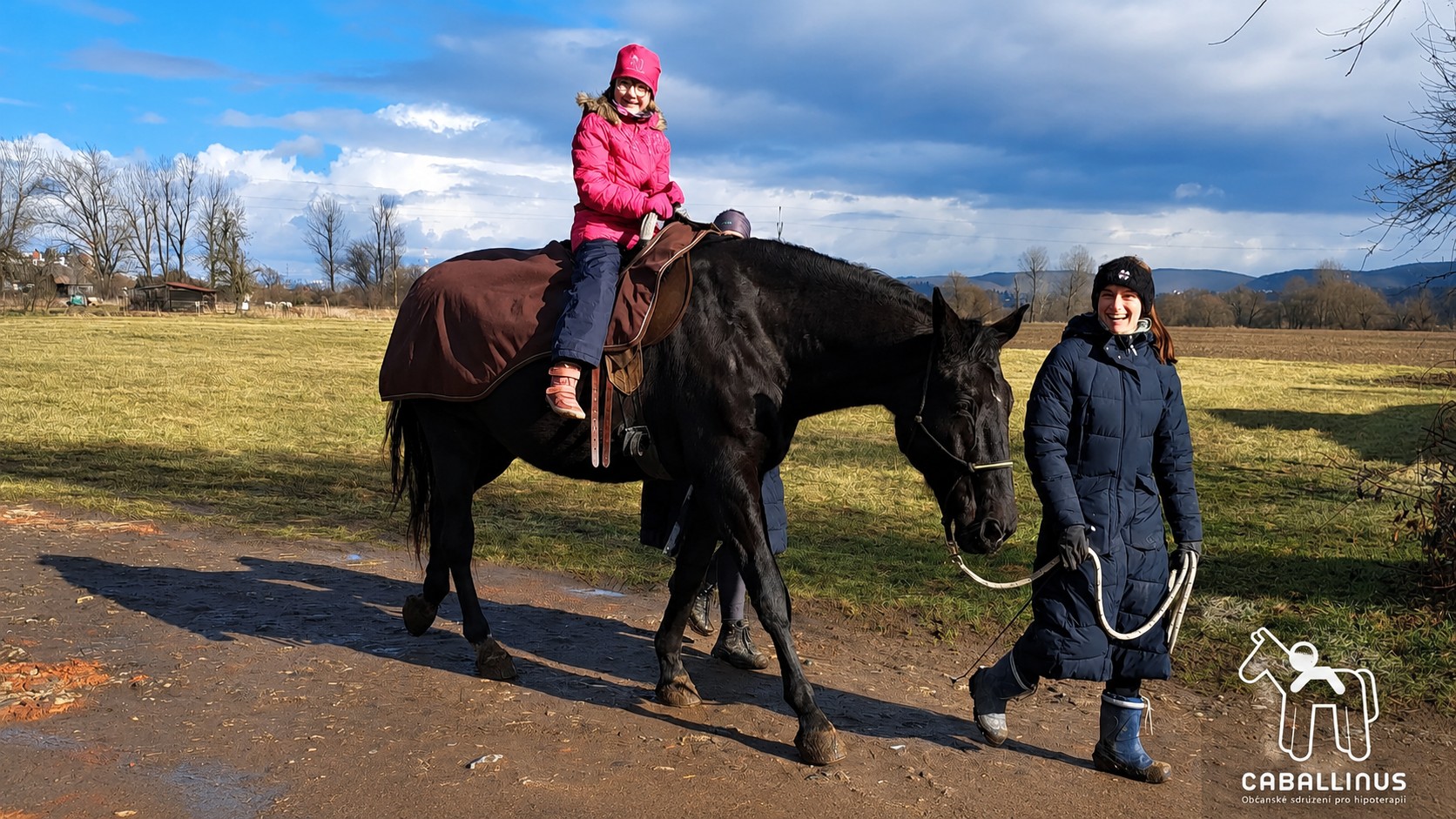
I see equines being led with the handler’s hand directly under the chin. I see handlers holding the cheekpiece of the bridle. I see equines whose heads are constantly controlled, corrected, restricted, and positioned by the person leading them. In some cases, the handler is so close to the equine’s head that there is almost no freedom of movement at all.
Every time I see this, I find myself asking the same question: why?
One reason this concerns me is biomechanics. The movement of the equine’s head and neck is not separate from the movement of the rest of the body. It is part of the entire movement chain. The head and neck contribute to balance, coordination, and the movement patterns that travel through the spine. When we constantly restrict the head, hold it in an unnatural position, or prevent normal movement, we interfere with the very movement we are trying so hard to provide for our clients.
Good horsemanship is about preparing the equine so thoroughly that very little control is needed in the first place.
I have occasionally seen handlers holding the equine’s head unusually high throughout a session. Not only does this create tension and encourage a hollow back, but it also reduces the equine’s ability to engage its body effectively and comfortably while carrying a client. We spend considerable time discussing the quality of equine movement, yet sometimes the way we lead the equine compromises that movement before the session has even begun.
But biomechanics is only part of the story.
The other issue is welfare.
Imagine going to work every day with someone standing so close to you that they never allow you a moment of personal space. Imagine that person constantly touching you, correcting you, directing every movement, and never trusting you to make a single decision on your own. They tell everyone how much they appreciate you, how important you are, and how much they value your contribution. Yet throughout the day they never stop controlling every small movement you make.
Would you enjoy working under those conditions?
I doubt many of us would.
Sometimes I wonder whether this way of leading comes from concern about safety. Perhaps the team does not fully trust the equine. Perhaps the equine has not been prepared adequately for the work. Perhaps the handlers have never been taught another way. Or perhaps it has simply become a habit that nobody questions anymore.
Whatever the reason, I do not believe it represents good horsemanship.
Good horsemanship is not about holding tighter. It is not about creating more control through stronger equipment, shorter ropes, tighter contact, or closer supervision. Good horsemanship is about preparing the equine so thoroughly that very little control is needed in the first place.
Some of the most beautiful examples I have seen in Equine Assisted Services involve equines being led on a loose lead rope with a clear U-shape between the handler’s hand and the halter. There is no pulling. No pushing. No constant correction. The equine follows because it understands and respects the person and feels comfortable working alongside them. When the handler stops, the equine stops. When the handler walks forward, the equine follows. The communication is quiet, almost invisible.
That level of cooperation cannot be achieved through restraint. It is achieved through preparation, training, trust, and consistency.
So the next time you watch a session, pay attention to how the equine is being led. Look at the distance between the handler and the equine. Look at the lead rope. Look at the position of the head and neck. Look at how often the equine is being corrected.
Then ask yourself a simple question.
If somebody led you that way several times every day, would you enjoy going to work tomorrow?
Or would you eventually start looking for a way to leave?
Věra’s EAS Lens is a space where I share my professional reflections, clinical reasoning, and international experience in Equine Assisted Therapy and Services. Drawing on many years of practice, education, and collaboration across countries and disciplines, I look at EAS through an expert, critical, and ethical lens. This blog is written for professionals, students, and organisations who wish to understand EAS beyond trends and enthusiasm, and to anchor their work in quality, responsibility, and meaningful practice.
If you are curious to learn more about Equine Assisted Services and how they are understood and practised today, you can explore further information here:
https://hipoterapie-kurzy.com/eas/
Vera EAS Lens – Blog Subscription: https://shorturl.at/oWzLS
Follow my blog on FB, Ins and LinkedIn #VeraEASLens

Enjoyed this article? Download our free e‑book “10 Essential Insights into Equine Assisted Services” and discover practical tips you can start using today.
Would you like more inspiration, ideas, and professional insights? Join our Svítání newsletter and never miss an article, event, or course update.
Curious to deepen your knowledge in Equine Assisted Services? Explore our courses designed by experienced practitioners and start your learning journey with Svítání today.
 The Silent Load: Why Therapy Equines Shouldn’t Be Called Therapists
In modern discourse, it’s all too easy to conflate our Equine Assisted…
 Enthusiastic but not yet qualified
Can enthusiasm replace training in Equine Assisted Therapy? A professional reflection on…
 What I Wish I Had Known Before Working in Equine Assisted Services
What should you know before working in Equine Assisted Services? Vera Lantelme-Faisan…