How Do I Start a Career in Equine Assisted Services?
Start by deciding what kind of work you want to do and which professional role fits your background. Equine Assisted Services includes Equine Assisted Therapy, Equine Assisted Learning, therapeutic riding, adaptive riding and several supporting roles. They may all involve people and equines, but the purpose of the work and the responsibility of the practitioner are different.
You do not need to plan your entire career before taking the first step. You need enough direction to avoid choosing education or experience that leads towards a role you do not actually want.
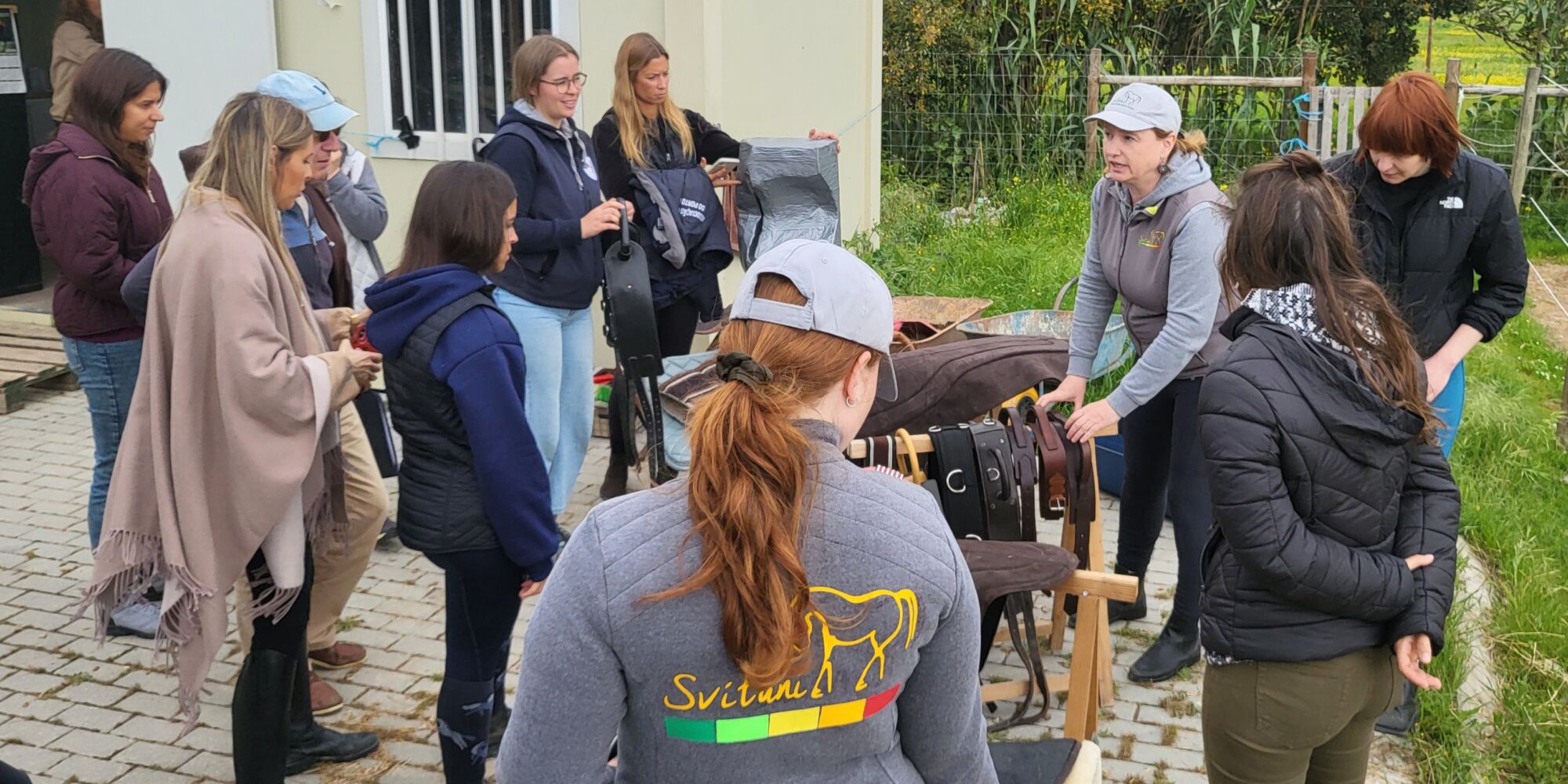
Decide which area interests you
Begin with the people you hope to work with and the purpose of the service. You may be interested in healthcare treatment, psychological support, education, personal development or adapted riding. Each area has different goals, professional responsibilities and ways in which the client, practitioner and equine participate together.
A physiotherapist may want to incorporate equine movement as part of treatment. An educator may focus on communication, learning or participation. A riding instructor may be interested in helping people with disabilities develop riding skills, while an equine professional may contribute through handling, training, welfare and programme support.
Visit established programmes before making a decision. Observe what happens during the session, but also notice who assesses the participant, who plans the work, who selects the equine and how responsibilities are divided within the team. This gives you a clearer picture than a course title or social media video.
Two programmes may look similar from the outside while providing very different services. Understanding those differences early will save time and help you choose a realistic direction.
Your starting point is a clearly defined professional role, supported by relevant education and real practical experience.
Apply the professional knowledge you already have
Most people entering Equine Assisted Services already bring something useful. This may be a healthcare profession, education, psychology, social care, riding instruction, horsemanship or experience in programme management. Your existing knowledge influences which role is available to you and which additional skills you need.
A healthcare professional already understands assessment, goals, documentation and responsibility towards the client. An educator understands learning and communication. A riding instructor brings knowledge of teaching, riding and the equestrian environment. None of these backgrounds covers the entire field, but each provides a valuable foundation.
Career changers can also enter Equine Assisted Services, although the route needs to match the work they want to provide. Assistant positions, equine-support roles, therapeutic or adaptive riding and some areas of Equine Assisted Learning may offer appropriate starting points. Healthcare or mental health treatment requires the relevant underlying professional qualification.
The exact qualifications needed will be discussed later in this series. At this stage, concentrate on identifying where your present competence fits and where further education is required.
Gain experience in a real programme
Spend time in an established Equine Assisted Services setting before planning independent work. Volunteering, observation, a placement or part-time employment can help you understand the daily reality of the field. Choose a programme related to the area you are considering rather than accepting any opportunity involving horses.
Look at the complete service. Notice how equines are prepared, how the environment is organised, how the team communicates and what happens when the original plan cannot continue. A participant may arrive tired, the weather may change, or an equine may show that it is not comfortable working that day.
This experience also helps you understand whether you enjoy the work outside the client session. Equine care, preparation, cleaning equipment, administration, documentation and communication with families or other professionals all take time. The visible activity is only one part of the job.
Ask questions and listen to the reasoning behind decisions. A useful placement should help you understand why a particular equine, activity or level of support was chosen. Repeating tasks without explanation may provide experience around horses, but it does not automatically develop professional judgement.
Develop practical equine competence
You need regular experience with equines even when your intended role is mainly clinical, educational or psychological. This includes safe handling, observation of behaviour, basic welfare knowledge and an understanding of how health, training, workload and the environment affect each equine.
Riding experience can be helpful, although it does not cover everything required in Equine Assisted Services. You may need to lead, observe movement, prepare equipment, work beside a participant or recognise subtle changes in the equine’s behaviour. These skills improve through practice and feedback.
Work with more than one familiar horse where possible. Different equines respond differently to people, equipment, movement and changes in the environment. This experience teaches you to observe the individual rather than apply the same routine to every situation.
Take one step at a time
Your first steps can be practical and modest. Choose the area of Equine Assisted Services that interests you, visit suitable programmes and speak with professionals who already work in that role. Review your current knowledge honestly and identify what you still need to learn.
Then select an appropriate starting level of education and arrange regular practical experience alongside it. Education makes more sense when you can connect it with real equines, real environments and the decisions practitioners make every day.
You do not need your own centre, a complete business plan or certainty about every future detail. You need a professional direction, relevant education and enough supervised experience to understand the work properly. From there, the next decisions become much clearer.
If you are considering a career in Equine Assisted Services, a sound beginning will help you build on your existing strengths while developing the specialist knowledge and practical competence the field requires. Our educational programmes are designed to support this early professional development through structured learning and application in practice.
Want to build a stronger foundation before working in Equine Assisted Services?
Core Principles of Equine Assisted Services is a 74-hour online foundation programme designed to help you understand professional roles, safety, equine welfare, terminology and the knowledge you need for your next step.
This article is part of a series addressing the practical questions people face when considering a career in Equine Assisted Services.
The next article in the series will explore: What Qualifications Do I Really Need to Work in Equine Assisted Services?
About Vera’s EAS Lens
Vera’s EAS Lens – An Expert Guide to Equine Assisted Therapy and Services is written by Vera Lantelme-Faisan, MSc, a physiotherapist, educator and international lecturer with more than 25 years of clinical and teaching experience in Equine Assisted Therapy and Services.
The blog examines professional practice, education, safety, clinical decision-making and equine welfare through the lens of real experience. It is written for practitioners, students and anyone seeking a clearer understanding of responsible Equine Assisted Services.
Vera EAS Lens – Blog Subscription: https://shorturl.at/oWzLS
Follow my blog on FB, Ins and LinkedIn #VeraEASLens

Enjoyed this article? Download our free e‑book “10 Essential Insights into Equine Assisted Services” and discover practical tips you can start using today.
Would you like more inspiration, ideas, and professional insights? Join our Svítání newsletter and never miss an article, event, or course update.
Curious to deepen your knowledge in Equine Assisted Services? Explore our courses designed by experienced practitioners and start your learning journey with Svítání today.
 The Silent Load: Why Therapy Equines Shouldn’t Be Called Therapists
In modern discourse, it’s all too easy to conflate our Equine Assisted…
 Enthusiastic but not yet qualified
Can enthusiasm replace training in Equine Assisted Therapy? A professional reflection on…
 What I Wish I Had Known Before Working in Equine Assisted Services
What should you know before working in Equine Assisted Services? Vera Lantelme-Faisan…