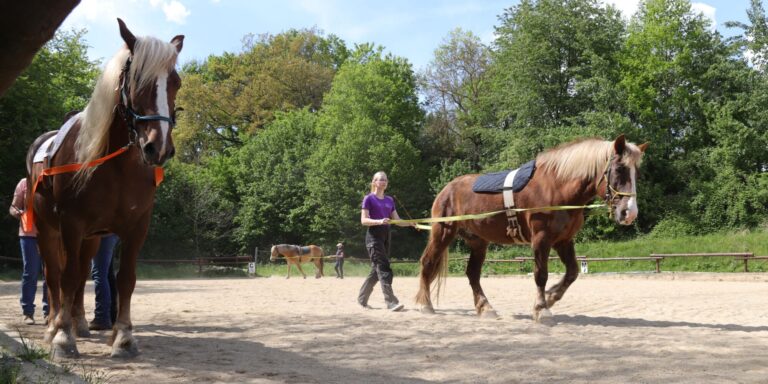
How Expectations Influence Equine-Assisted Therapy Session
How can expectations influence clinical decisions in Equine Assisted Therapy? A reflection on professional judgement, ethics, and participant-centred practice.
Read moreEquine Assisted Therapy
How can expectations influence clinical decisions in Equine Assisted Therapy? A reflection on professional judgement, ethics, and participant-centred practice.
Read more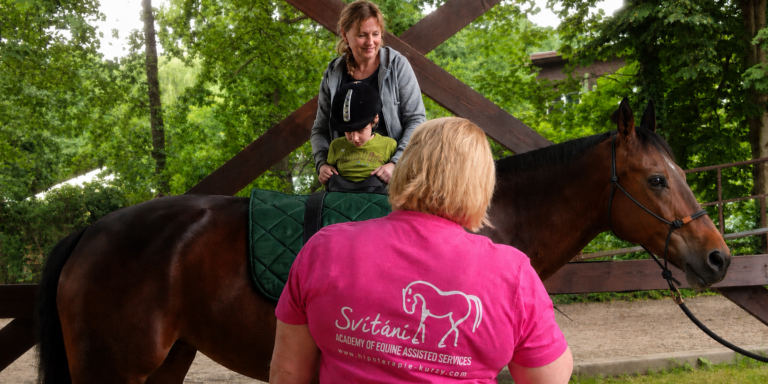
What distinguishes an Equine Assisted Therapy Clinical Specialist? Explore the role of clinical reasoning, decision-making, and advanced professional practice.
Read more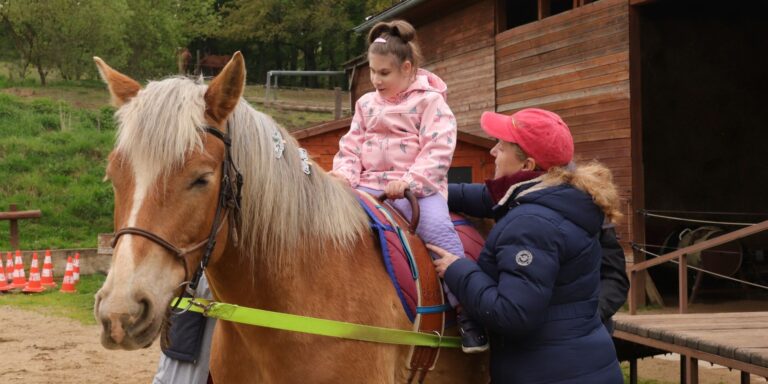
After more than 25 years in Equine Assisted Therapy, I reflect on why this profession continues to give me purpose, confidence, and meaning.
Read more
Is the assisted sitting position still justified in Equine Assisted Therapy? A clinical perspective on positioning, safety, and therapeutic effectiveness.
Read more
Clear boundaries protect clients, practitioners, and equines. Explore why expectations, rules, and accountability matter in Equine Assisted Services.
Read more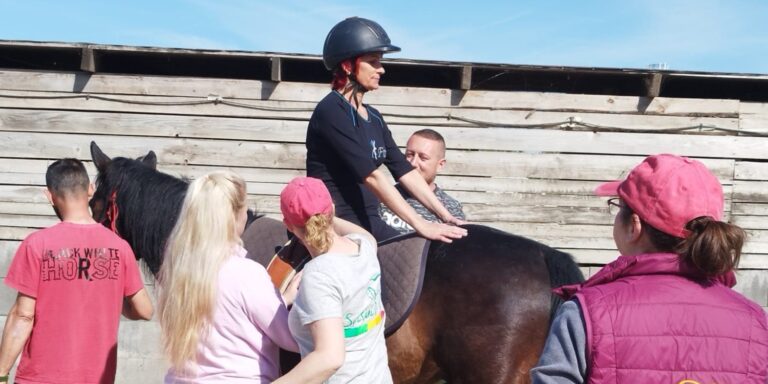
Not all improvement is what it seems. Learn how to recognise overload, compensation, and true progress in Equine Assisted Therapy.
Read more
When do safety belts support Equine Assisted Therapy, and when can they interfere? A clinical reflection on safety, posture, and therapeutic goals.
Read more
Why is footwear important in Equine Assisted Therapy? A professional reflection on safety, stability, and practical considerations in EAS sessions.
Read more
How does positioning influence outcomes in Equine Assisted Therapy? A clinical reflection on posture, movement, and therapeutic precision.
Read more
When does equipment support Equine Assisted Services and when does it replace proper preparation? A professional reflection on safety and clinical reasoning.
Read more